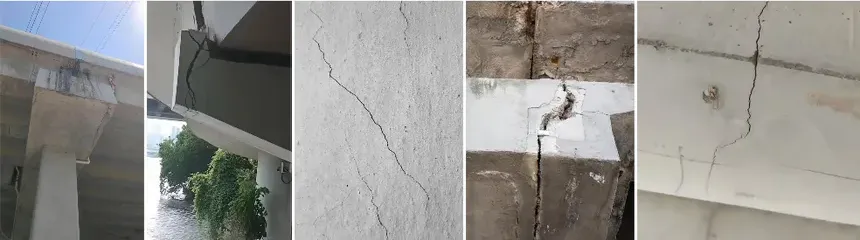
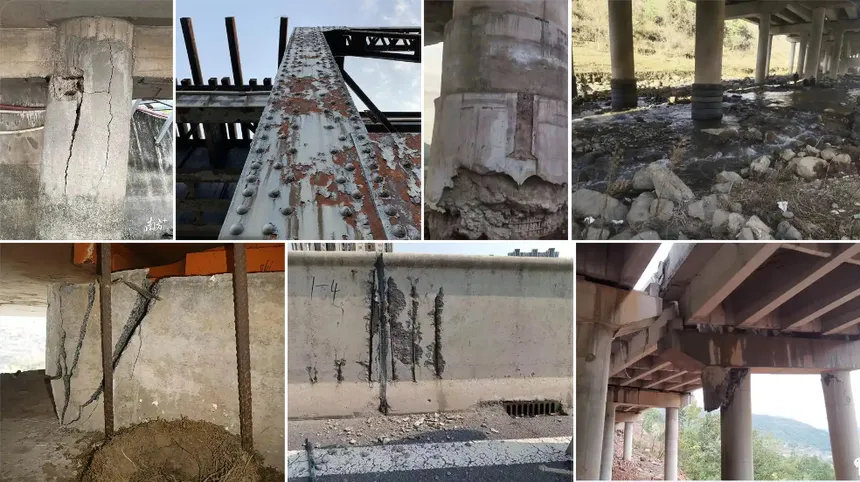
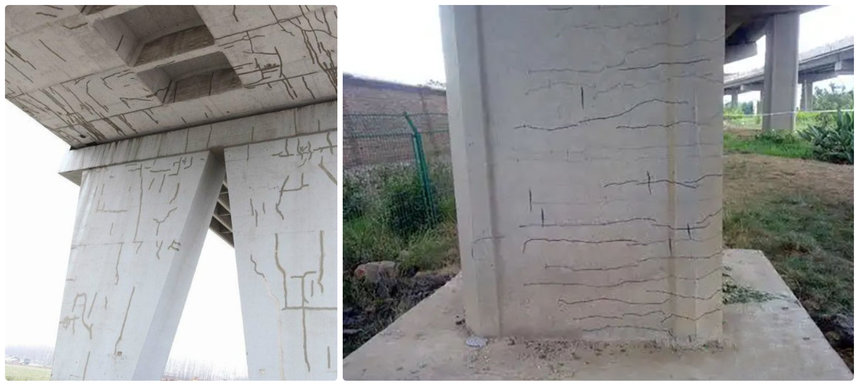
Bridges are built to last for decades, but even the strongest structures age over time. Cracks, rust, and concrete spalling may start as minor defects but can gradually threaten a bridge’s structural safety if left untreated. Understanding when a bridge needs repair is crucial for preventing costly damage and ensuring long-term durability.
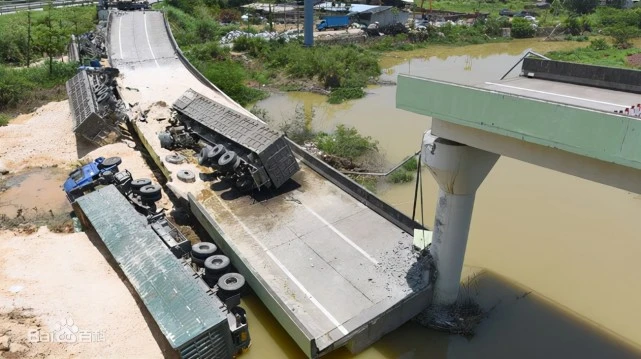
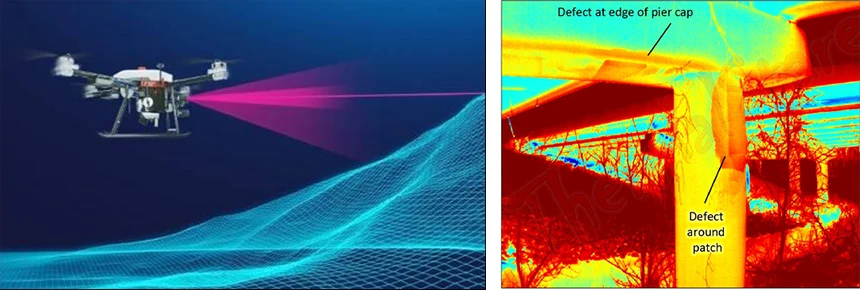
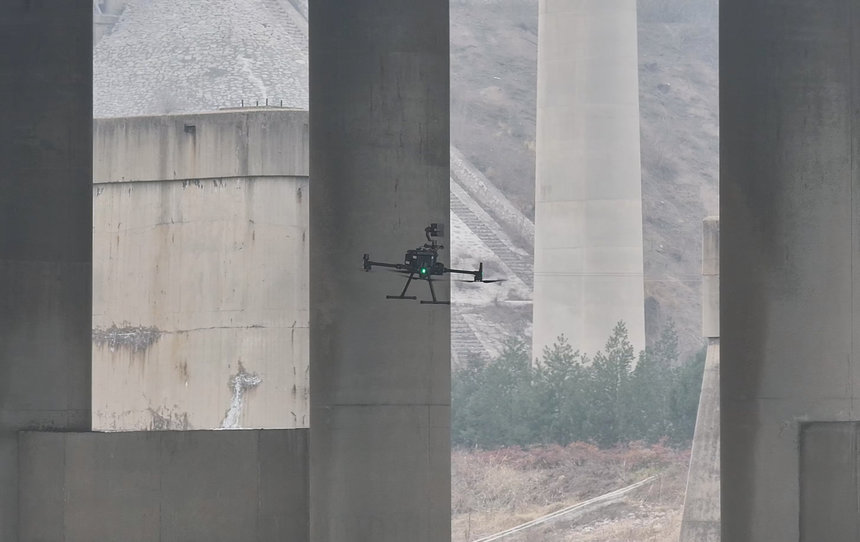
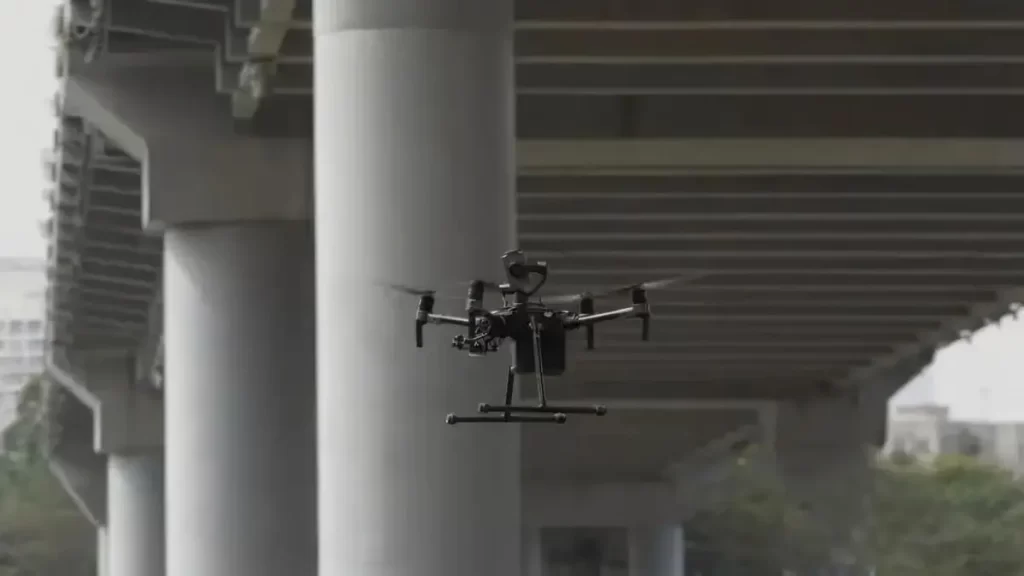
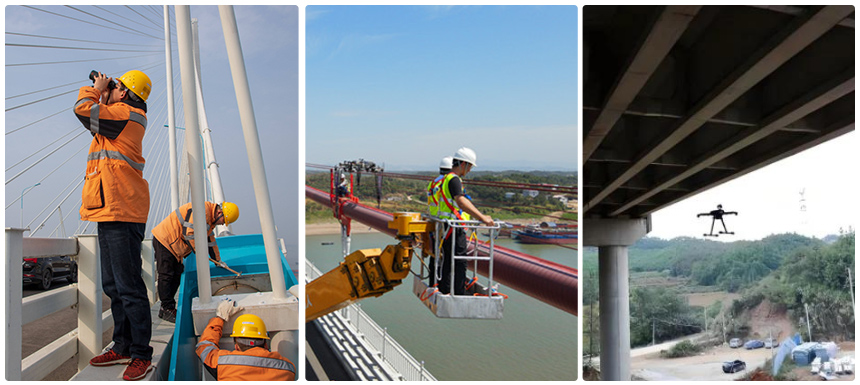
With modern technologies like drone bridge inspection, engineers can now monitor these defects more frequently and accurately—detecting early signs of deterioration before they become major safety concerns.
1. Cracks: The Early Warning Sign
Cracks are among the most common bridge defects and can occur due to temperature changes, overloading, or material shrinkage.
The width, depth, and activity of a crack determine whether it needs attention.
| Crack Condition | Typical Symptoms | Recommended Action |
| Hairline cracks (≤0.2 mm) | Minor surface lines, no water seepage | Regular monitoring |
| Structural cracks (0.2–0.5 mm) | Visible cracks near beams, joints, or supports | Repair with epoxy or sealing materials |
| Wide or through cracks (>0.5 mm) | Water leakage, rust stains, continuous widening | Immediate repair and reinforcement |
Drone advantage:
High-resolution drone imagery and AI crack detection can accurately measure crack width and map their distribution, allowing engineers to track changes over time.
Learn more about bridge crack formation and inspection techniques in our related article: How Bridge Cracks Form — Causes, Drone Inspection, and Repair Solutions
2. Corrosion: The Hidden Enemy
Corrosion silently reduces the strength of steel and reinforced concrete. Once rust forms, it expands and damages surrounding concrete, accelerating deterioration.
| Corrosion Severity | Observation | Action Needed |
| Light rust (<5% area) | Slight discoloration or surface rust | Cleaning and protective coating |
| Moderate rust (5–10%) | Visible rust streaks, local concrete cracks | Rust removal and re-protection |
| Severe corrosion (>10% area or section loss) | Steel flaking, holes, or rebar exposure | Immediate repair or component replacement |
Drone advantage:
Drones equipped with 4K cameras or zoom lenses can detect early rust patterns on steel girders, cables, and joints—even in hard-to-reach areas like bridge undersides or high pylons.
3. Concrete Spalling: When Surfaces Begin to Fail
Concrete spalling indicates that deeper material damage has begun—often due to freeze-thaw cycles or rebar corrosion.
| Spalling Condition | Visible Signs | Repair Urgency |
| Minor (depth <10 mm, area <0.1 m²) | Slight surface peeling | Monitor and patch when needed |
| Moderate (0.1–0.5 m², rebar visible) | Local cracking, rust stains | Repair soon with anti-corrosion mortar |
| Severe (>0.5 m², section loss) | Concrete falling, exposed rebar | Urgent repair or strengthening |
Drone advantage:
With oblique imaging and 3D modeling, drones can measure the spalling area precisely and create maintenance maps to plan repair work efficiently.
4. Water Leakage and Carbonation
Water infiltration and carbonation may not cause immediate damage, but over time they lead to corrosion and loss of structural strength.
| Condition | Assessment | Repair Timing |
| Light dampness or minor carbonation (<20 mm) | Low risk | Surface sealing and waterproof coating |
| Deep carbonation (>protective cover depth) | Medium risk | Remove carbonated layer, recoat with protection |
| Persistent water seepage with rusting | High risk | Urgent waterproofing and repair |
5. How Often Should Bridges Be Inspected?
Routine inspection helps track how quickly defects evolve.
- Primary bridges: Detailed inspection every 2 years
- Secondary bridges: General inspection every year
- After severe weather or earthquakes: Immediate drone inspection
Using Riebo’s Drone Bridge Inspection Solution, engineers can perform rapid, non-contact assessments of cracks, corrosion, and spalling without traffic disruption—cutting inspection time by over 60% compared to manual methods.
6. When to Repair or Strengthen
In general, bridge defects require action when:
- Crack width exceeds 0.5 mm
- Rust affects more than 10% of a steel surface or rebar area
- Spalling area exceeds 0.5 m²
- Structural components show deformation or load-bearing loss
The sooner repairs begin, the lower the cost.
Ignoring early signs often results in large-scale structural damage that demands costly rehabilitation.
Conclusion
Bridge maintenance is not just about fixing visible damage—it’s about preventing small defects from becoming structural threats. By combining engineering expertise with drone inspection technology, owners and operators can make data-driven decisions on when and where to repair, extending the bridge’s service life and ensuring public safety.