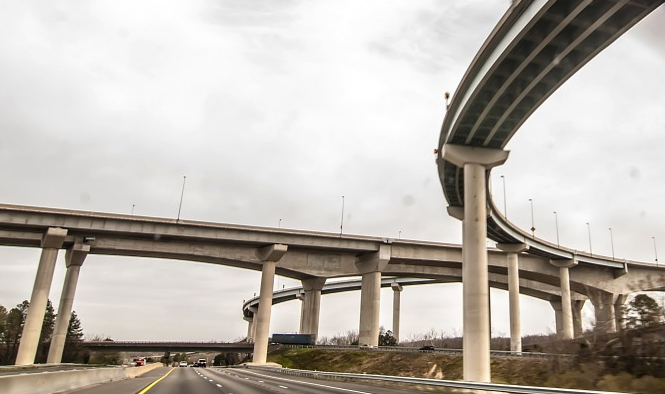
Bridge inspection is essential for maintaining the safety and longevity of transportation infrastructure. Traditionally, inspections rely on manual methods that are time-consuming, costly, and sometimes hazardous. With the advancement of unmanned aerial technology, drone bridge inspection has emerged as a smarter and more efficient alternative.
So, what exactly is drone bridge inspection, and why is it becoming a global trend?
What Is Drone Bridge Inspection?
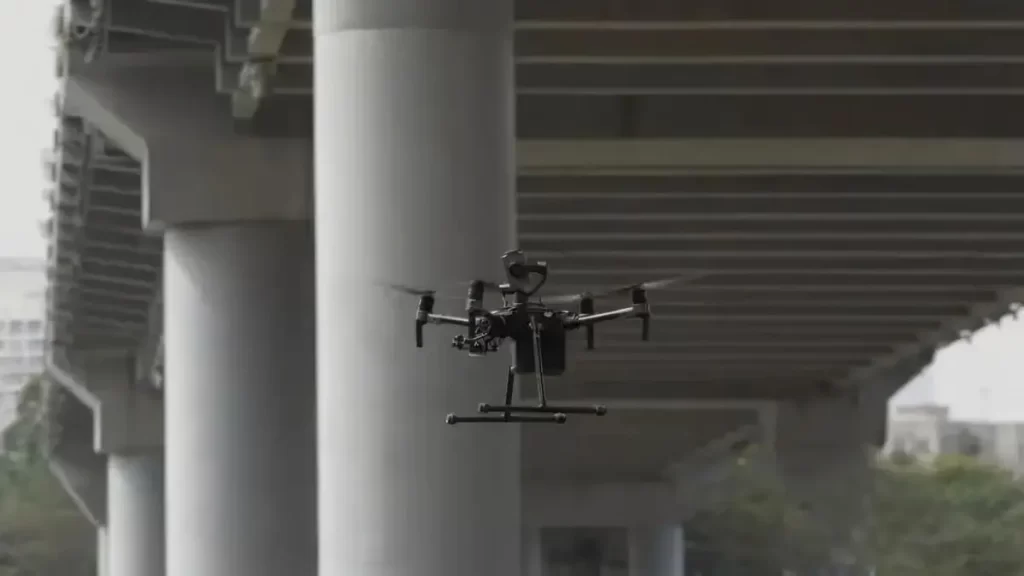
Drone bridge inspection refers to the use of unmanned aerial vehicles (UAVs) equipped with sensors and cameras to assess the condition of bridges.
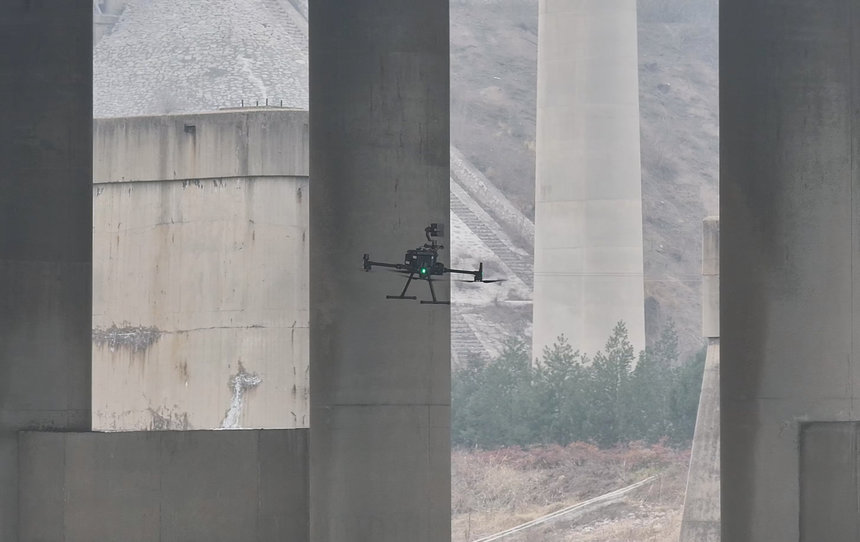
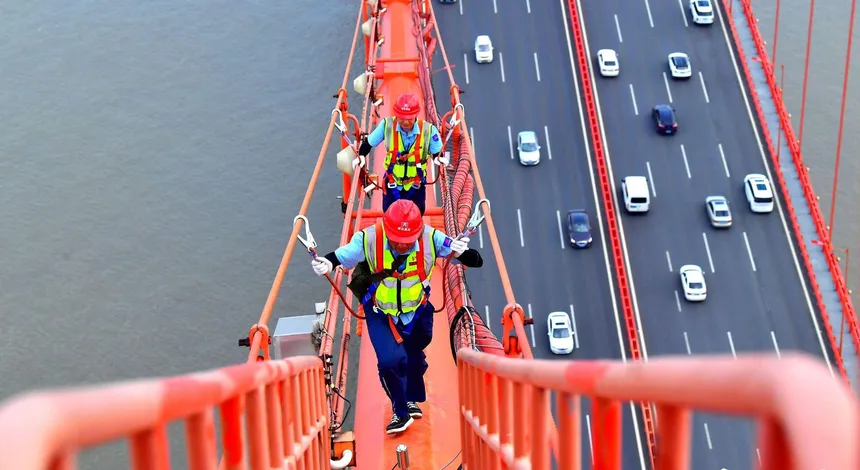
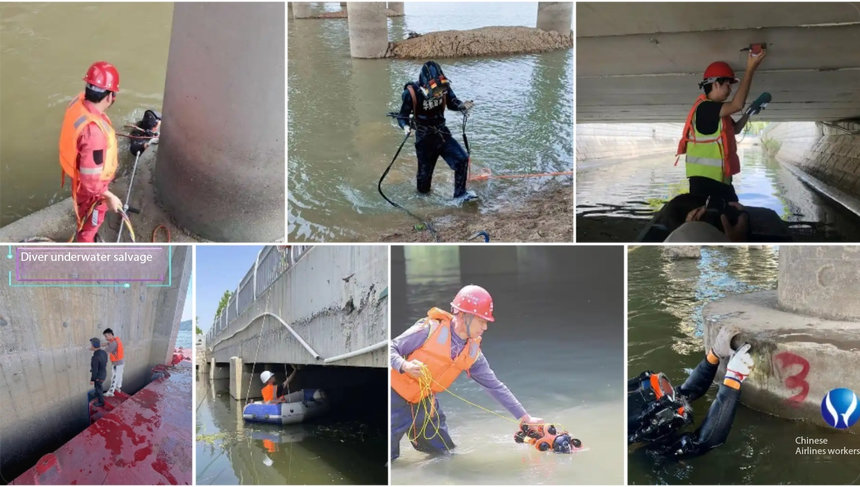
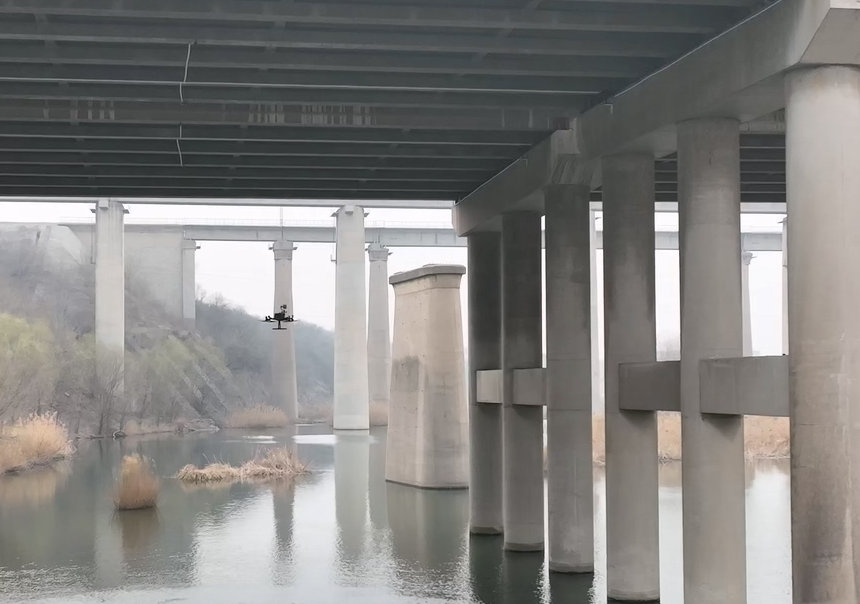
Instead of relying on scaffolding, rope access, or under-bridge inspection vehicles, inspectors deploy drones to capture high-resolution images, videos, and other data from hard-to-reach areas such as:
- Bridge undersides
- High piers and towers
- Cable systems
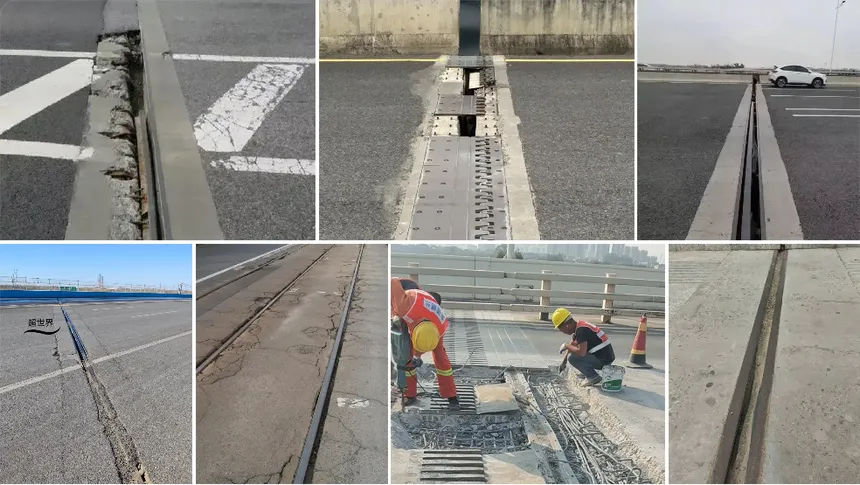
- Expansion joints
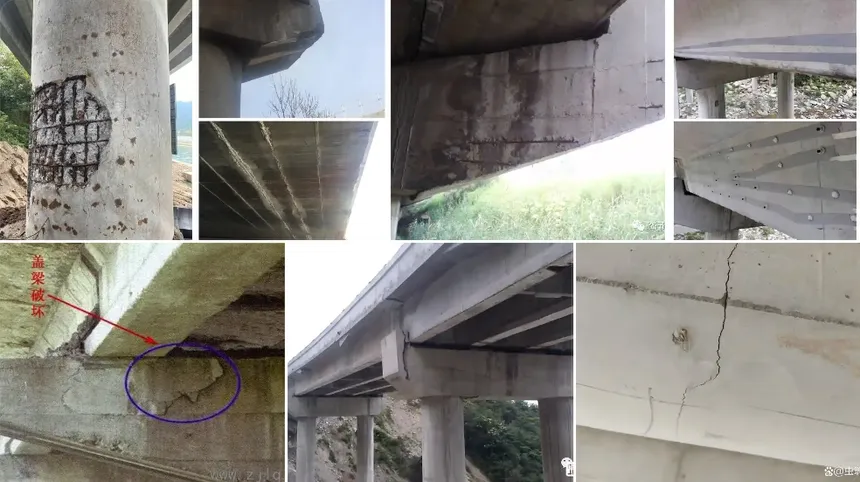
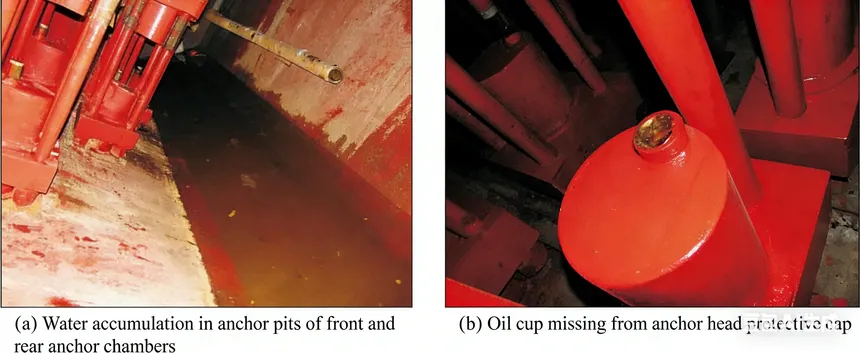
These data are then analyzed—either manually or with AI—to detect defects such as cracks, corrosion, and structural deformation.
How Does Drone Bridge Inspection Work?
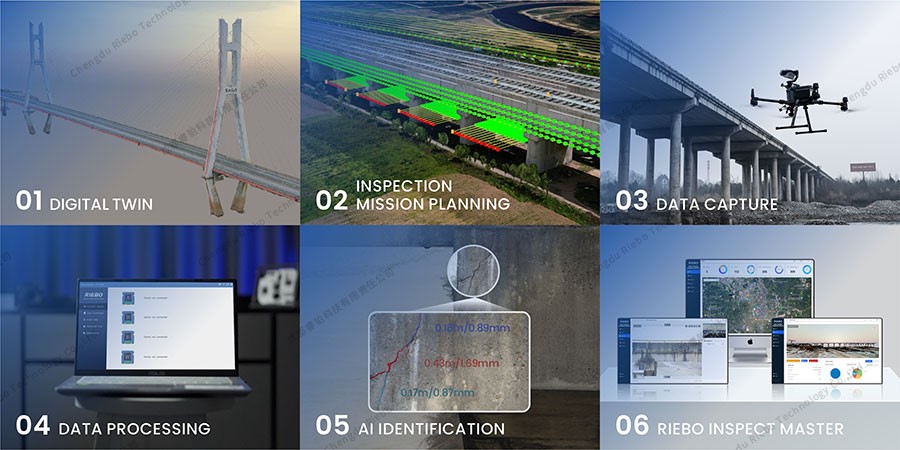
A typical drone bridge inspection workflow includes the following steps:
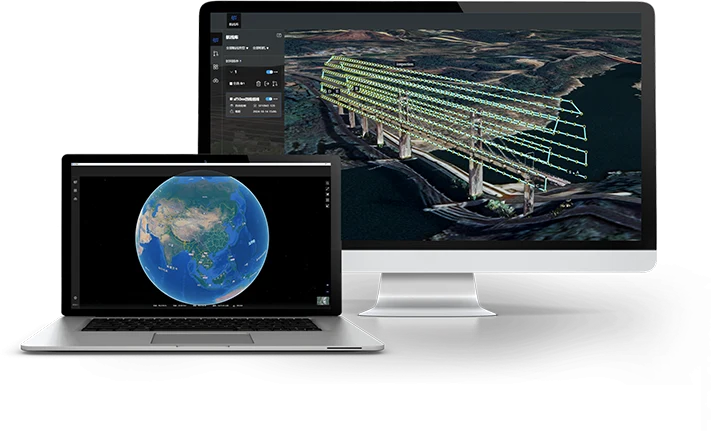
1. Flight Planning
Inspection teams plan flight paths based on bridge structure, environment, and inspection goals to ensure full coverage.
2. Data Acquisition
Drones collect data using:
- High-resolution RGB cameras
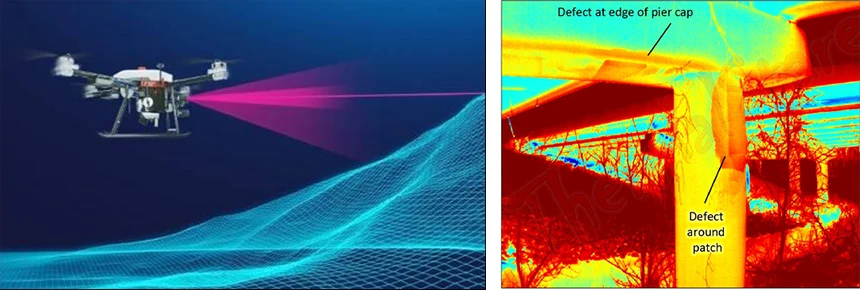
- Thermal imaging sensors
- LiDAR systems
3. Data Processing
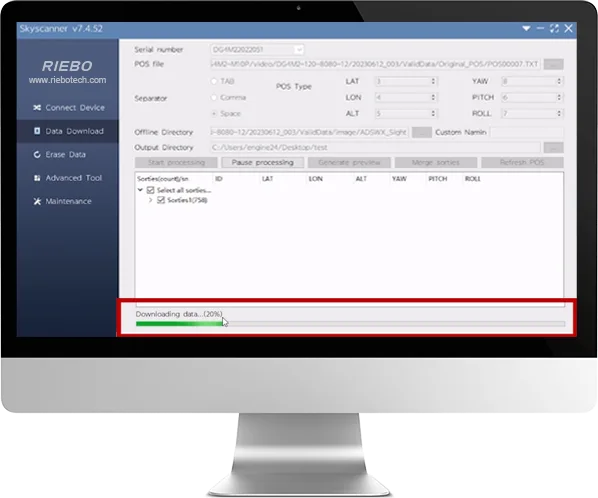
Captured data is processed into:
- Orthophotos
- 3D models
- Point clouds
4. Defect Detection and Analysis
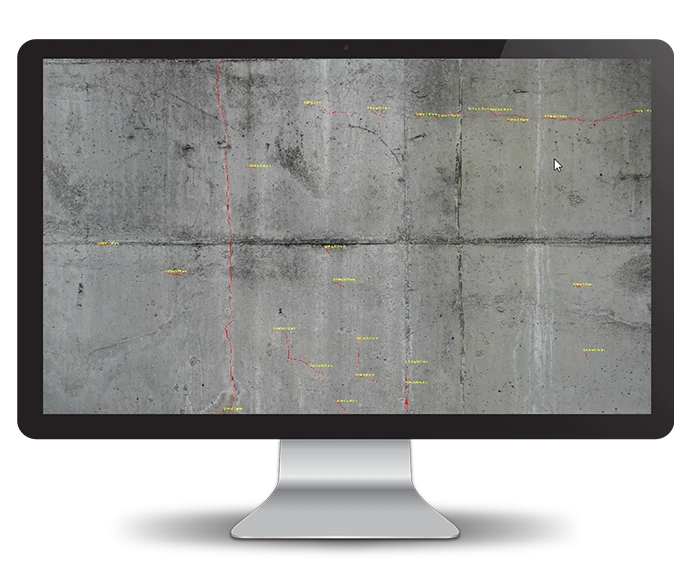
Using computer vision and AI algorithms, inspectors can identify:
- Cracks
- Spalling
- Corrosion
- Water leakage
Benefits of Drone Bridge Inspection
Improved Safety
Drones eliminate the need for inspectors to work at heights or in dangerous conditions.
Higher Efficiency
Inspections can be completed in hours instead of days, minimizing traffic disruption.
Cost Reduction
Reduced need for heavy equipment like inspection trucks and scaffolding lowers overall costs.
Better Data Quality
High-resolution imagery and 3D data enable more accurate assessments and long-term monitoring.
Challenges and Limitations
Despite its advantages, drone bridge inspection also faces some challenges:
- Data processing complexity: Large volumes of image data require efficient processing tools
- Environmental factors: Wind, lighting, and GPS signal interference can affect flight performance
- AI accuracy: Automated defect detection still requires validation by human experts
Applications of Drone Bridge Inspection
Drone technology is widely used across different types of bridges, including:
- Highway bridges
- Railway bridges
- Suspension bridges
- Arch bridges
It is particularly useful for large-scale infrastructure networks, where frequent inspection is required.
Why Drone Bridge Inspection Matters
As infrastructure ages globally, the demand for faster, safer, and more scalable inspection methods continues to grow. Drone-based solutions not only improve inspection workflows but also enable data-driven maintenance strategies, helping asset owners make better decisions.
Conclusion: A Smarter Way to Inspect Bridges
Drone bridge inspection is transforming how infrastructure is monitored and maintained. By combining UAV technology with AI and data analytics, it offers a safer, faster, and more cost-effective alternative to traditional methods.
For organizations looking to modernize their inspection processes, adopting a comprehensive solution is key.
Riebo’s Drone Bridge Inspection Solution integrates advanced drones, high-precision sensors, and AI-powered analysis to deliver accurate, efficient, and scalable bridge inspection capabilities for global infrastructure projects.