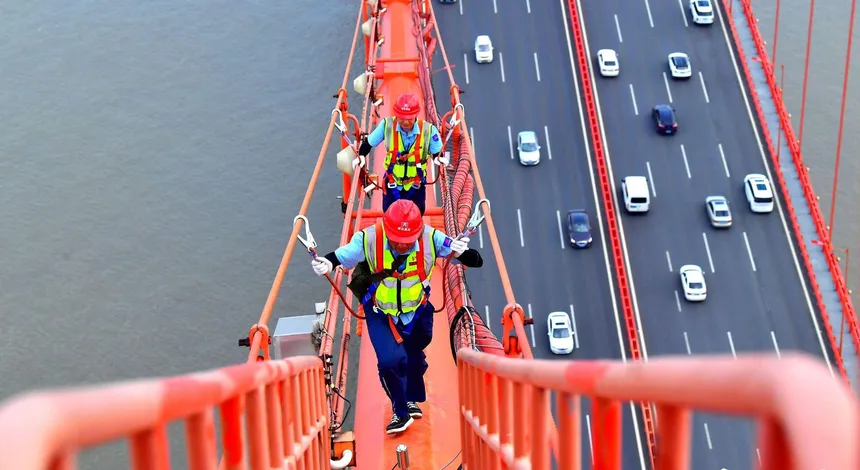
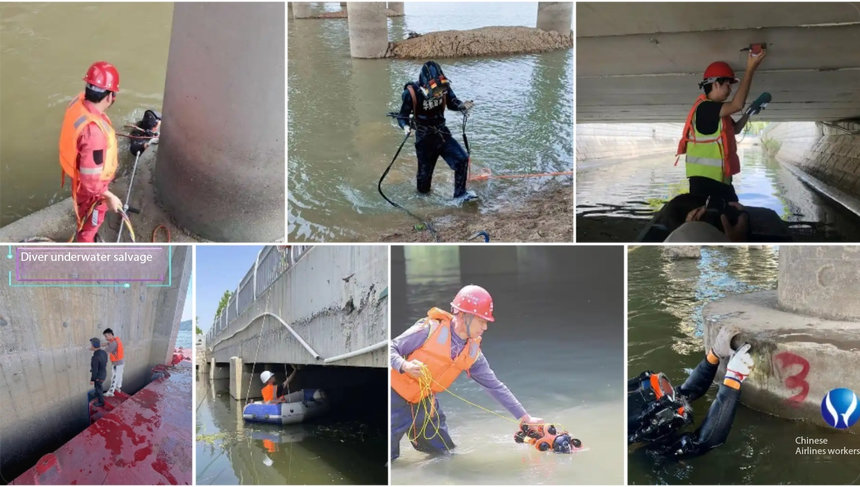
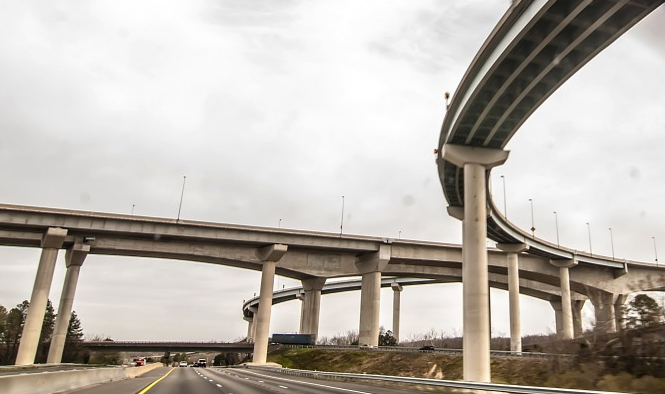
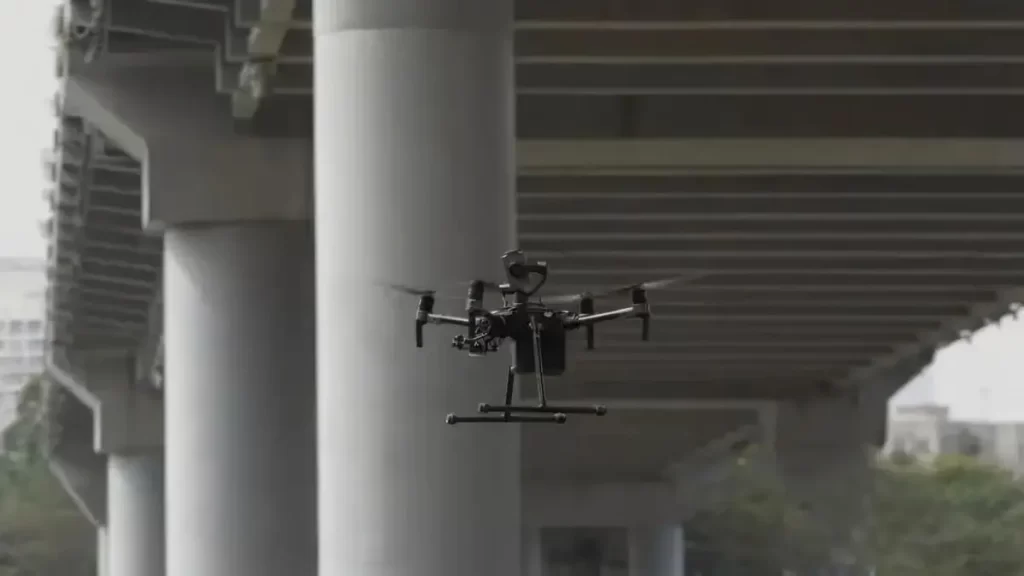
As global infrastructure continues to age, the demand for safer, faster, and more reliable bridge inspection methods is rapidly increasing. Traditional inspection approaches—largely dependent on manual visual assessment—are often time-consuming, costly, and potentially dangerous. An AI-based bridge inspection system is emerging as a transformative solution. By combining unmanned aerial vehicles (UAVs), advanced sensors, and artificial intelligence technologies such as computer vision and machine learning, these systems enable automated, data-driven evaluation of bridge conditions.
What Is an AI-Based Bridge Inspection System?
An AI-based bridge inspection system is an integrated solution that uses drones to collect structural data and applies intelligent algorithms to automatically detect, classify, and assess bridge defects. In simple terms: It uses drones as the “eyes” and AI as the “brain” to inspect bridges more efficiently and safely. These systems are designed to improve inspection accuracy, reduce human risk, and provide actionable insights for maintenance and asset management.
Key Components of an AI-Based Bridge Inspection System
Data Acquisition with Drones and Sensors
The inspection process begins with data collection using UAVs equipped with advanced sensors, such as:
- High-resolution RGB cameras
- LiDAR scanners
- Infrared thermal cameras
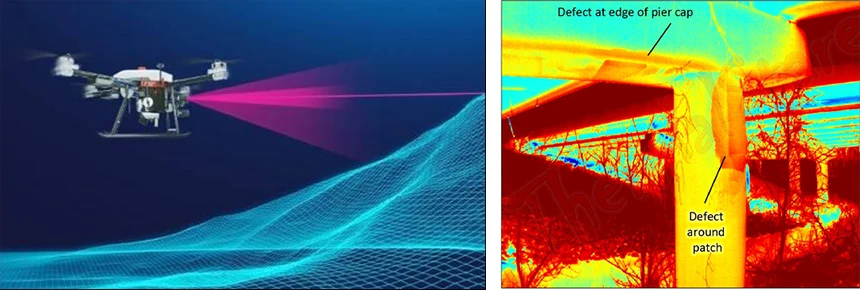
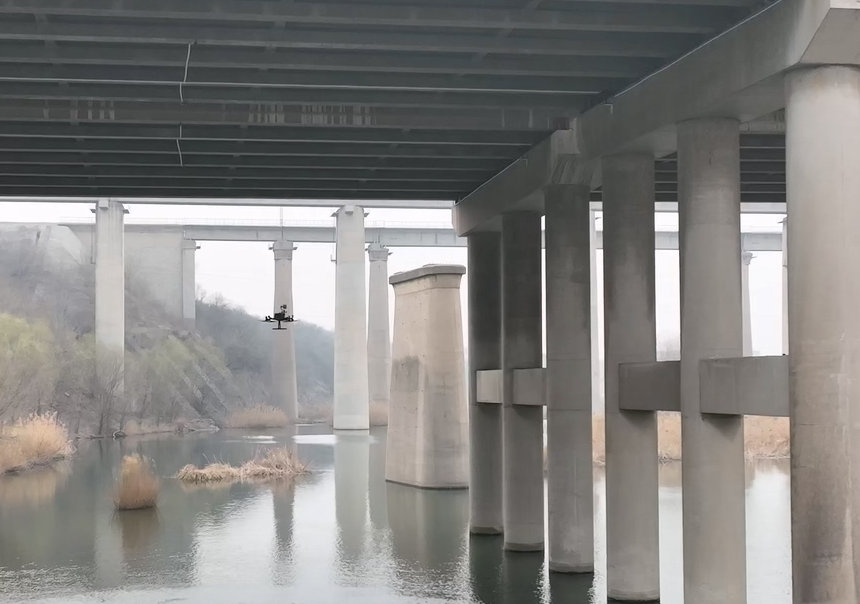
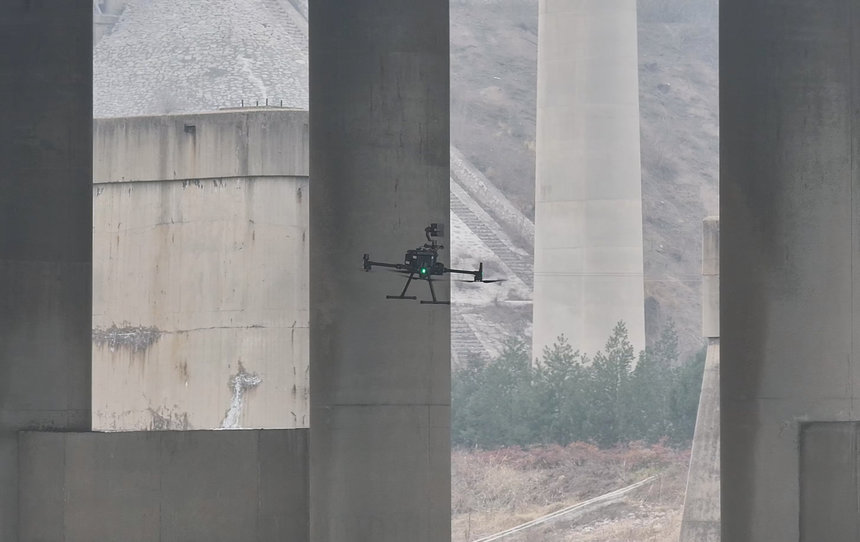
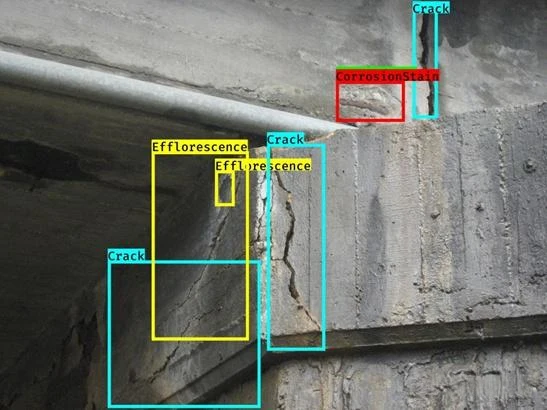
Drones can access hard-to-reach areas, such as undersides of bridge decks, towers, and cables, capturing high-quality visual and spatial data without the need for scaffolding or lane closures. AI-Powered Data Analysis Once the data is collected, artificial intelligence algorithms analyze the images and 3D models to identify structural defects. This stage relies heavily on deep learning models trained to recognize various types of damage, including:
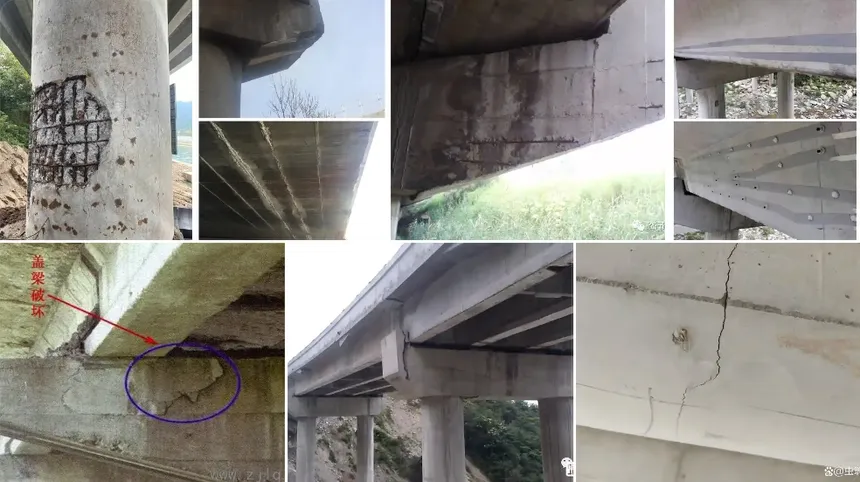
- Cracks (crack detection)
- Corrosion (rust and material degradation)
- Spalling (concrete surface damage)
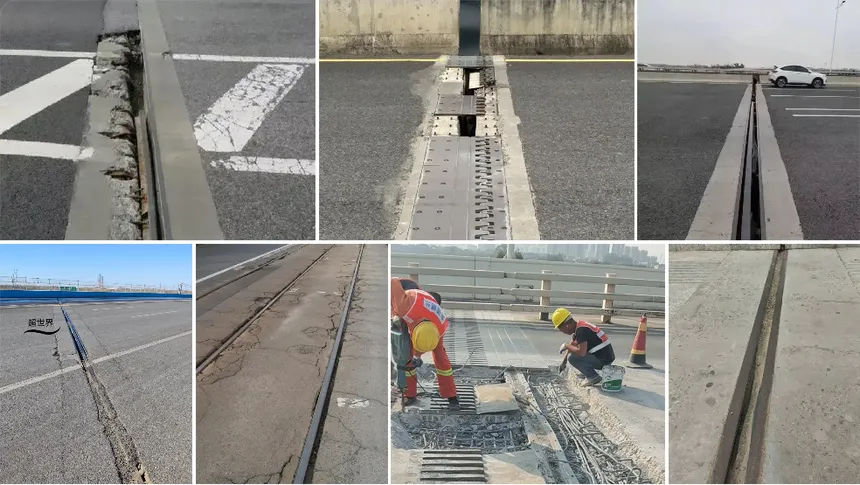
- Deformation and structural anomalies
These AI models can automatically detect and localize defects, significantly reducing the need for manual interpretation.
Reporting and Decision Support
After analysis, the system generates structured outputs, such as:
- Annotated images with defect locations
- Quantitative measurements (e.g., crack width and length)
- Condition ratings and severity levels
- Automated inspection reports
Some advanced systems also integrate with digital twins or asset management platforms, enabling long-term monitoring and predictive maintenance.
Advantages Over Traditional Bridge Inspection Methods
Compared to conventional inspection techniques, AI-based systems offer several key benefits: Improved Safety Inspectors no longer need to work at heights or in hazardous environments. Higher Efficiency Large-scale inspections can be completed in a fraction of the time using automated workflows. Enhanced Accuracy AI reduces human subjectivity and can detect fine defects that may be overlooked. Data-Driven Insights All inspection data is digitized, making it easier to track changes over time and support maintenance decisions. Reduced Long-Term Costs While initial investment may be higher, automation significantly lowers labor and operational costs over time.
Limitations and Challenges
Despite their advantages, AI-based bridge inspection systems are not without limitations:
- Dependence on training data: AI accuracy depends on the quality and diversity of datasets
- Environmental sensitivity: Lighting conditions, shadows, and surface contaminants can affect detection results
- Measurement uncertainty: Precise quantification of defects (e.g., crack width) may still require calibration
- Human validation required: Engineering judgment remains essential for final decision-making
For this reason, AI systems are typically used to assist—not fully replace—professional inspectors.
Real-World Applications
AI-based bridge inspection systems are increasingly used in:
- Routine bridge inspections
- Post-disaster damage assessment (e.g., earthquakes, floods)
- Large-scale infrastructure monitoring programs
- Preventive maintenance planning
Governments, engineering firms, and infrastructure operators are adopting these technologies to modernize asset management and improve public safety.
The Future of Bridge Inspection
As AI technology continues to evolve, future bridge inspection systems are expected to become more autonomous, accurate, and integrated. Advances in edge computing, real-time processing, and multi-sensor fusion will further enhance inspection capabilities. Ultimately, AI-powered inspection will play a critical role in enabling smarter, more resilient infrastructure systems worldwide.
Conclusion
An AI-based bridge inspection system represents a major step forward in infrastructure maintenance. By combining drone technology with intelligent algorithms, it enables safer, faster, and more consistent inspections.
Recommended Solution
For organizations seeking to modernize their inspection workflows, Riebo’s Drone Bridge Inspection Solution offers an integrated approach that combines UAV data acquisition with AI-powered defect analysis. It is designed to help engineers improve inspection efficiency, enhance safety, and make more informed maintenance decisions.