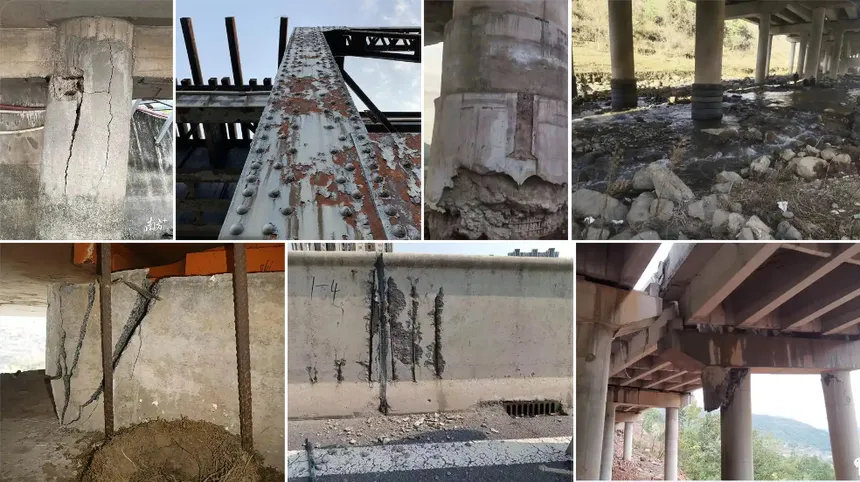
Masonry arch bridges — often built with stone or brick masonry — have served as durable and iconic structures in transportation networks for decades. Despite their simple and elegant form, many of these bridges are aging, with some dating back to the early 20th century. Over time, environmental effects, floods, and traffic loads cause various structural problems that require regular inspection and maintenance.
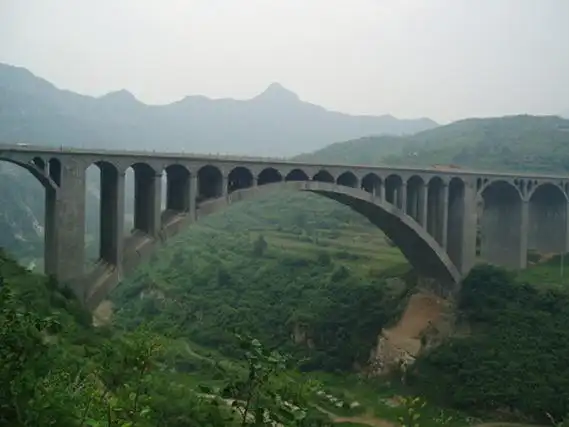
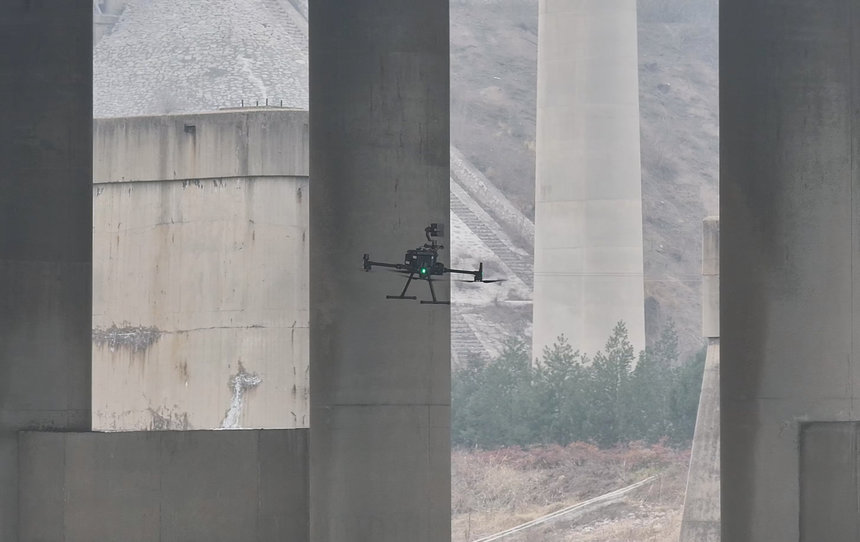
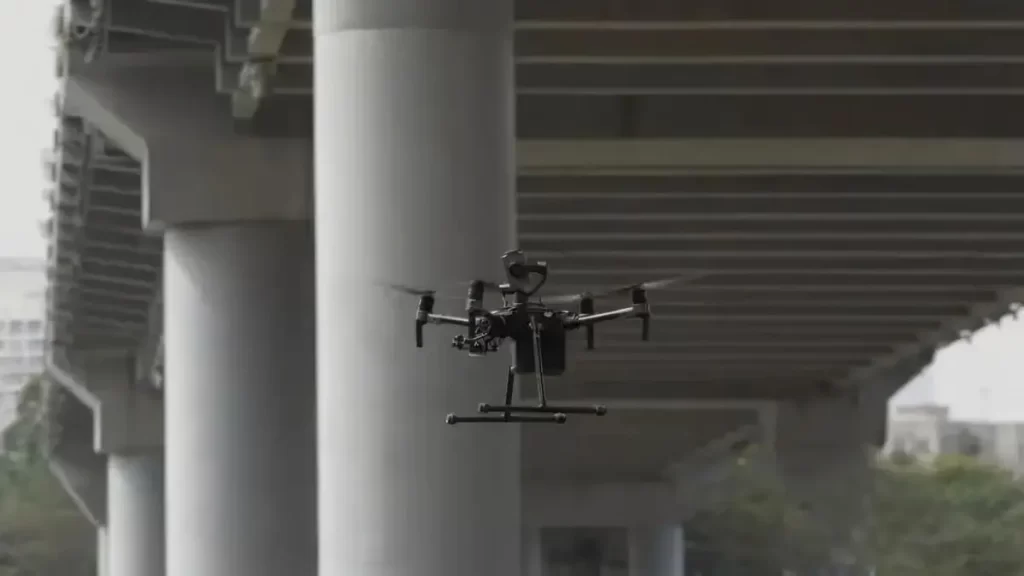
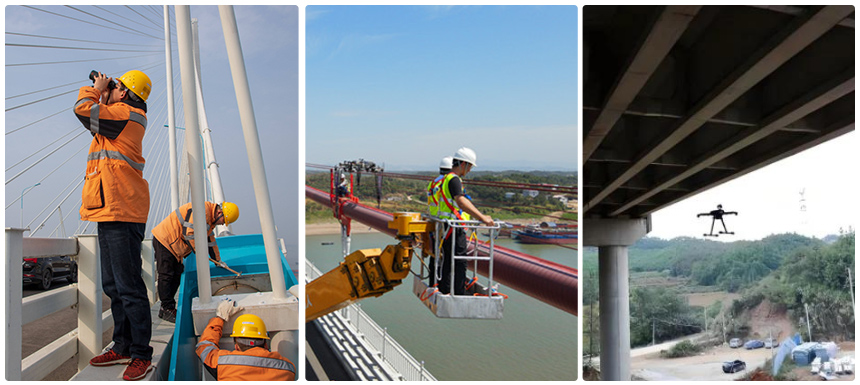
With the advancement of drone and AI inspection technology, engineers can now monitor masonry arch bridges more efficiently, safely, and precisely. This article discusses the common defects found in masonry arch bridges, their maintenance measures, and how drones like Riebo’s Drone Bridge Inspection Solution can improve inspection outcomes.
1. Foundation Scouring
Most masonry arch bridges are small-span structures built with shallow spread foundations. When riverbeds erode or water flow increases, the foundations are easily exposed or undermined, leading to foundation scouring.
Once scouring occurs, the foundation should be reinforced immediately by grouting or adding protective layers such as stone pitching or concrete aprons.
2. Embankment Scouring Behind Abutments
Masonry arch bridges rely on the abutment and backfill embankment to resist horizontal thrust. When rainwater washes away the backfill, it weakens the bridge’s stability — especially for low-grade rural bridges without proper slope protection.
Inspectors should ensure proper drainage near the bridgehead, move side ditches away from abutments, and protect slopes with grass or concrete coverings.
3. Deck Cracking and Surface Damage
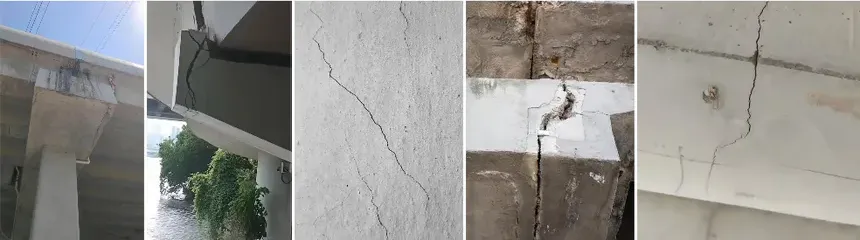
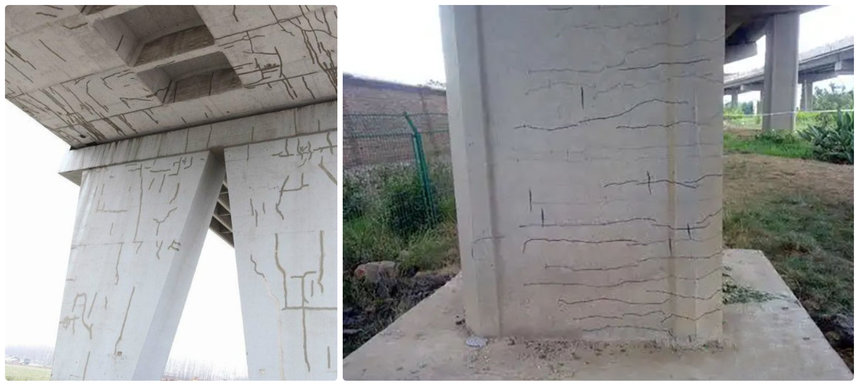
Cracks or potholes on the bridge deck occur due to aging materials, inadequate construction, or heavy vehicle loads. These allow water infiltration, which accelerates internal corrosion and structural weakening.
Damaged deck surfaces should be repaired promptly to prevent further infiltration and impact load increase.
4. Drainage System Failure
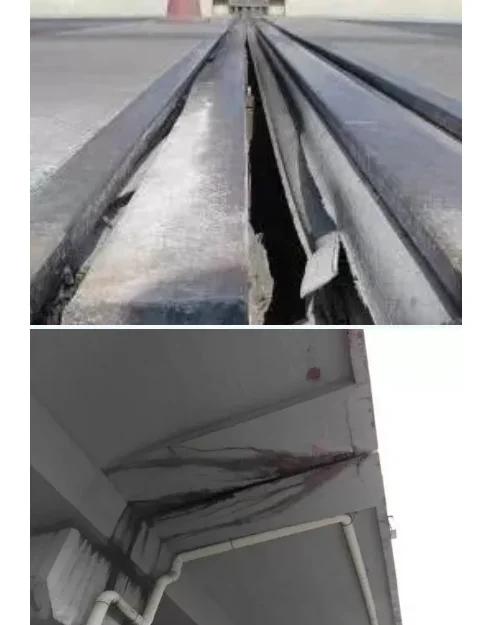
Drainage systems on masonry bridges are often clogged with debris or garbage — especially where pedestrians, livestock, and vehicles share the same routes. Blocked drains lead to water accumulation and faster deck deterioration.
Regular cleaning and removal of debris are essential to maintain drainage flow and surface integrity.
5. Flood Scouring and Riverbed Blockage
Masonry arch bridges often cross small rivers or streams. Sediment buildup or floating debris reduces the bridge’s waterway clearance, causing water to directly impact the arch during floods — sometimes resulting in severe damage or collapse.
Before the rainy season, debris beneath the bridge should be cleared, and after floods, the entire structure must be re-inspected for displacement or cracks.
6. Retaining Wall Displacement
For solid-filled masonry arch bridges, sidewalls may tilt or move outward due to lateral pressure from backfill and traffic loads. This often causes deck settlement or partial collapse.
Solutions include thickening the sidewalls, modifying slope angles, or replacing backfill with reinforced concrete masonry. In some cases, tie rods can be added between the two sidewalls.
7. Arch Foot Displacement
Arch foot displacement is one of the most severe defects in masonry arch bridges. It can occur as inward or outward movement — outward displacement being more common. Causes include weak foundations, missing backfill, seismic activity, or slope instability.
When detected, engineers should conduct a comprehensive inspection and structural assessment to determine the cause and severity, followed by targeted strengthening measures such as underpinning or foundation stabilization.
The Role of Drones in Modern Masonry Bridge Inspection
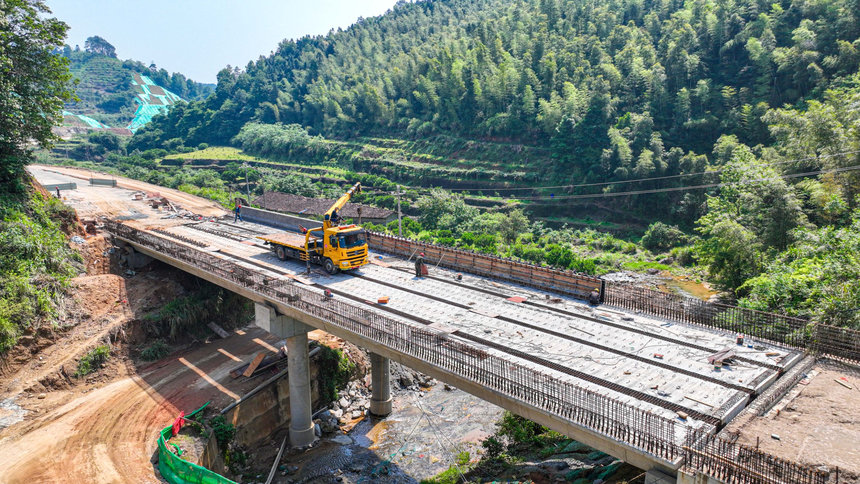
Although masonry arch bridges are often low-rise and seemingly simple, many are located in mountainous terrain or remote areas where manual inspection is unsafe or inefficient.
Using drones brings several key advantages:
- No need for scaffolding or traffic closure
- Faster data collection for large or hard-to-reach surfaces
- Accurate condition documentation through high-resolution imaging
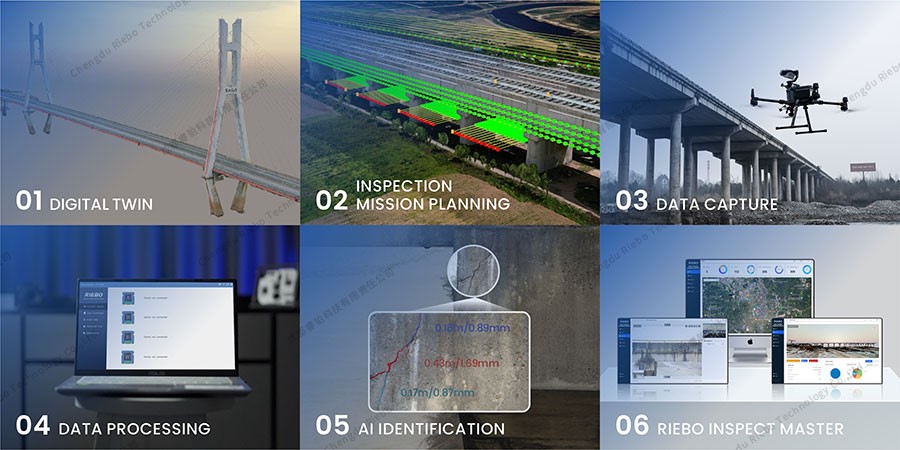
- AI-based defect recognition for cracks, erosion, and material loss
- Time-series analysis for structural movement and deformation
By integrating drones with AI analysis, Riebo’s Drone Bridge Inspection Solution helps engineers obtain comprehensive digital records of masonry bridge health — minimizing human risk while enhancing inspection precision.
Conclusion
Masonry arch bridges, though simple in form, demand meticulous maintenance to ensure long-term structural safety.
Common issues such as foundation erosion, wall displacement, or flood damage can escalate if not detected early.
Combining traditional inspection methods with modern drone technology enables transportation departments to maintain heritage bridges more effectively, economically, and safely.
With Riebo’s Drone Bridge Inspection Solution, masonry arch bridge maintenance enters a new era of intelligent, data-driven management — ensuring every structure continues to serve safely for generations to come.