Introduction
Suspension bridges are among the most impressive achievements in modern infrastructure. Their ability to span long distances with elegant structural forms makes them essential for transportation networks worldwide. However, their relatively low stiffness and flexible behavior also make them more sensitive to environmental and load-induced effects.
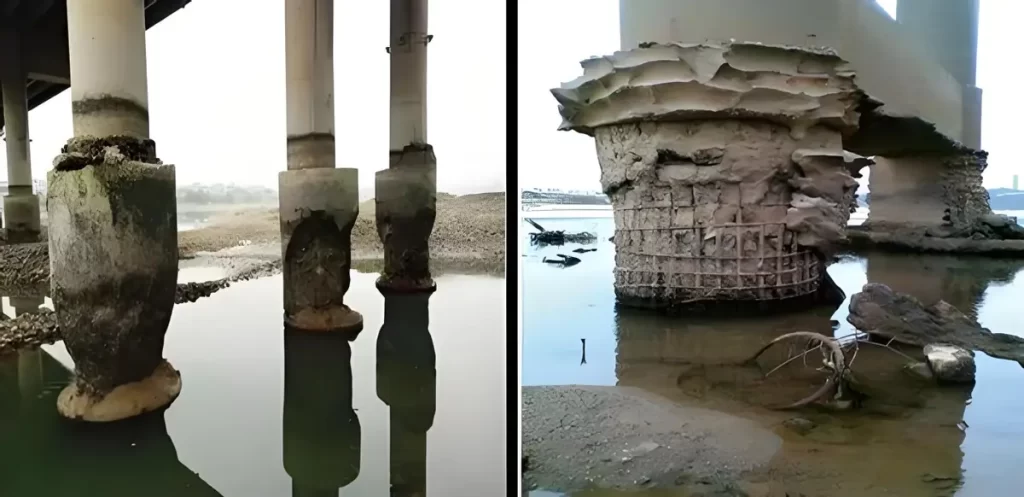
Over time, factors such as traffic loads, humidity, and harsh environmental conditions can lead to structural degradation—especially in critical components like cables and anchorages. Even minor defects can pose long-term risks if not properly addressed.
This is why regular and systematic bridge inspections are essential.
Why Suspension Bridges Require Special Inspection
Unlike rigid bridge types, suspension bridges are more prone to:
- Structural deformation and vibration under traffic loads
- Cable corrosion due to humid or mountainous environments
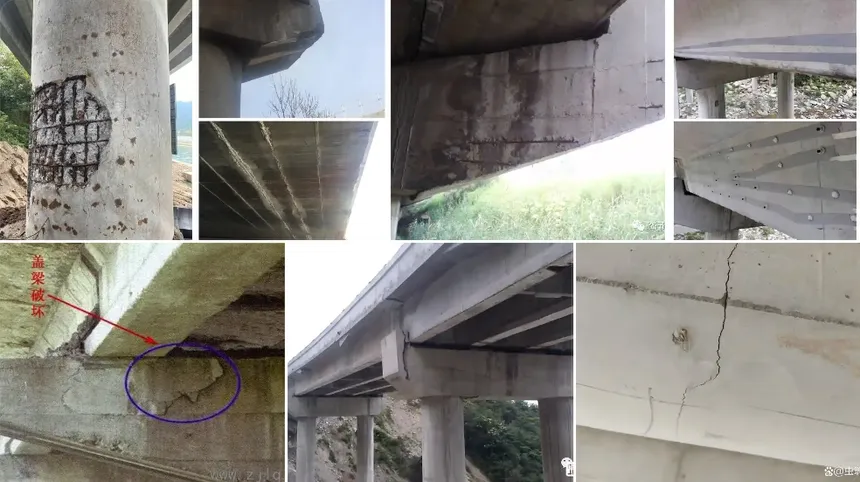
- Long-term material degradation
Because of these characteristics, inspections must go beyond simple visual checks and include structural performance evaluation.
Key Inspection Methods Used
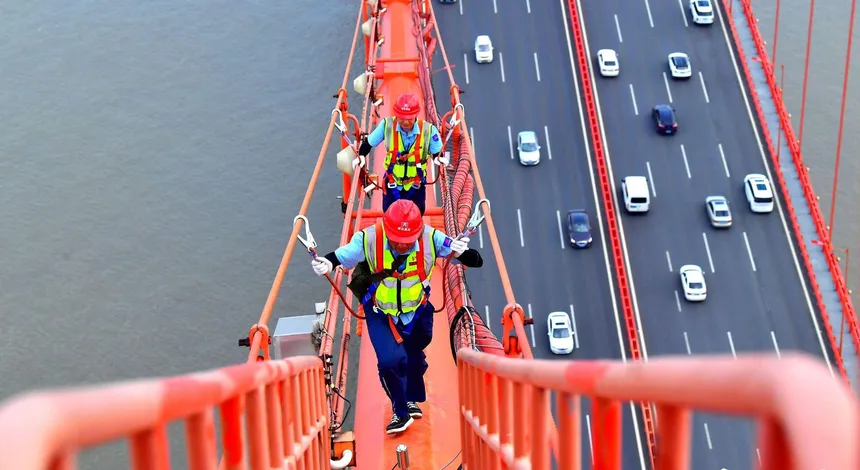
In a recent inspection of a 25-year-old steel suspension bridge, engineers conducted a comprehensive assessment using multiple techniques:
Visual Inspection
Key components inspected included:
- Main cables and hangers
- Towers and stiffening trusses
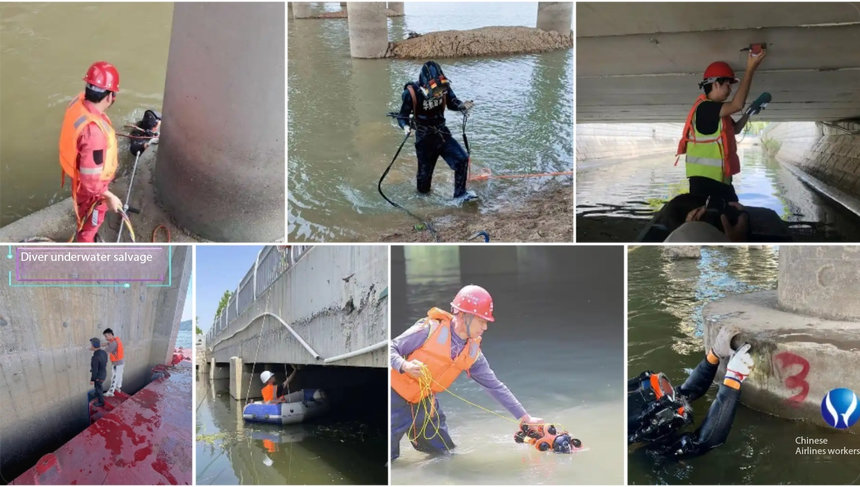
- Anchorages and bearings
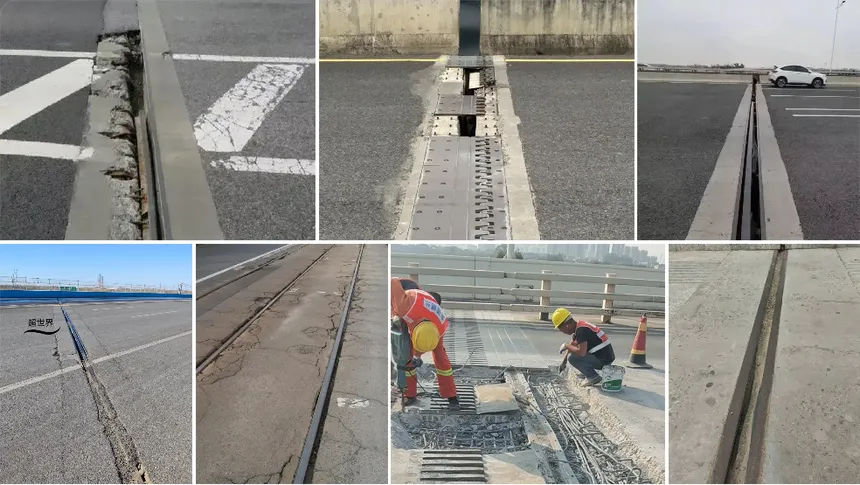
- Bridge deck and expansion joints
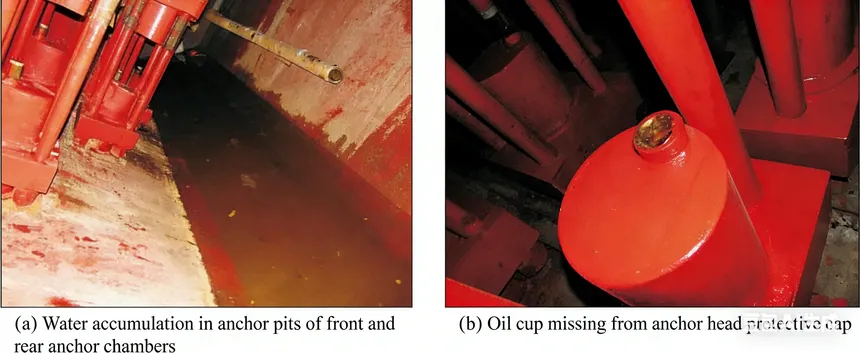
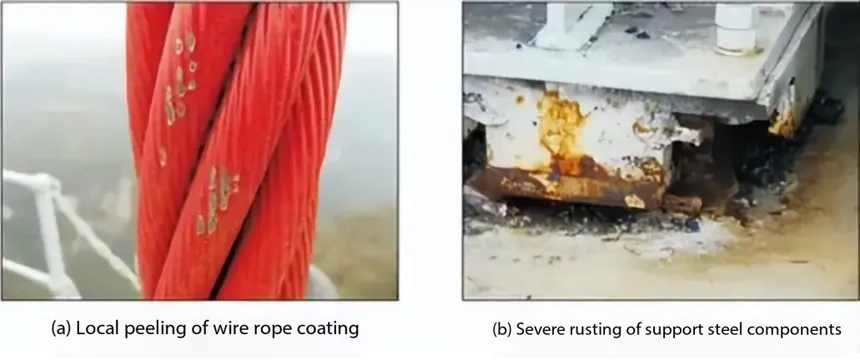
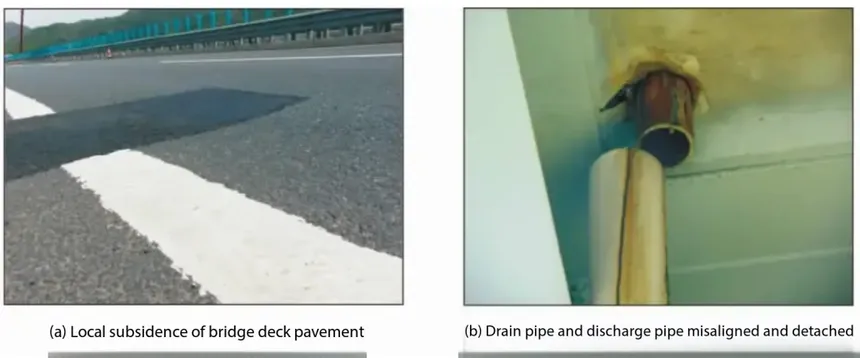
Several issues were identified, particularly in anchorage areas, such as water accumulation, corrosion, and malfunctioning ventilation systems.
Geometry and Alignment Measurement
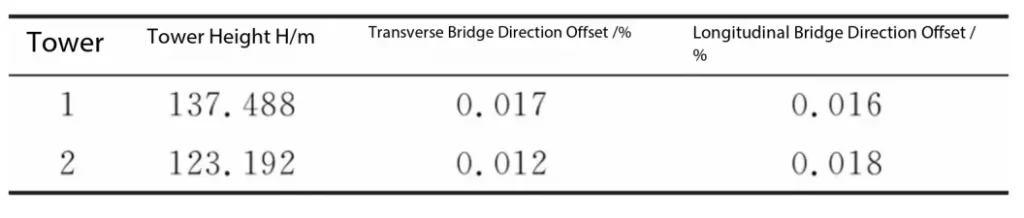
To evaluate structural behavior, engineers measured:
- Bridge deck alignment
- Main cable profile
- Tower displacement
Results showed minimal deviation compared to previous measurements, indicating stable structural geometry.
Material Condition Assessment
Concrete and reinforcement were evaluated through:
- Compressive strength testing
- Carbonation depth analysis
- Reinforcement corrosion potential
The results indicated that most structural materials remained in good condition, with only minor durability concerns in specific areas.
Cable Force Testing
Using vibration-based measurement techniques, the tension forces of 138 hanger cables were tested.
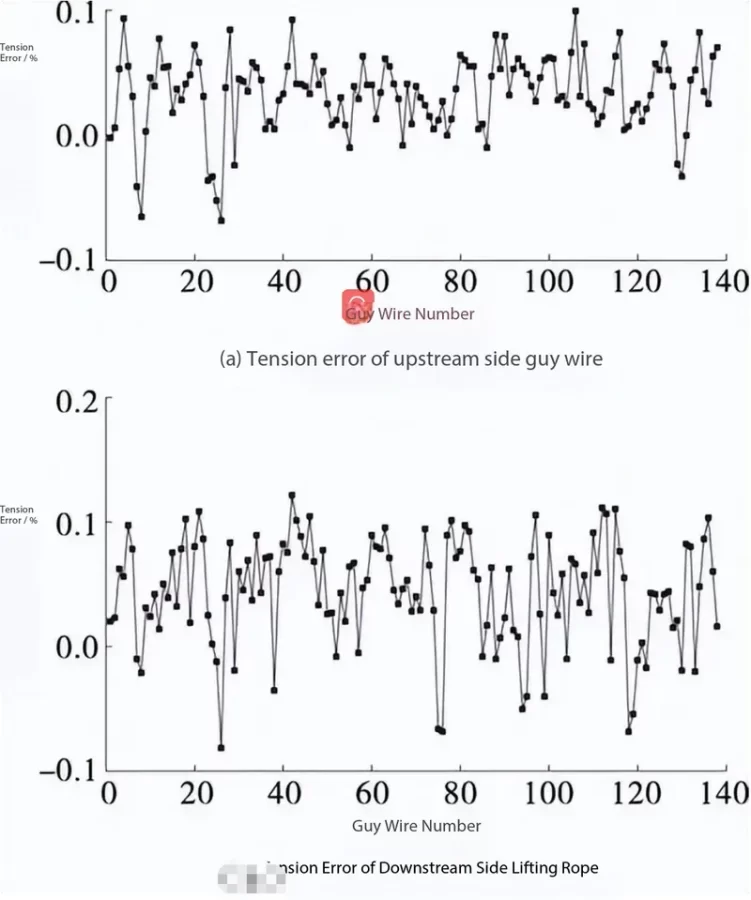
The measured values closely matched theoretical calculations, confirming that the load distribution across the bridge remained normal.
Overall Condition Evaluation
Based on standardized bridge assessment methods, the bridge received an overall condition rating corresponding to:
👉 Minor defects with no impact on structural functionality
This means the bridge is safe for operation but requires targeted maintenance to prevent long-term deterioration.
Maintenance Recommendations
Key recommendations included:
- Replacing severely corroded bearings
- Removing accumulated water in anchor chambers
- Restoring ventilation and dehumidification systems
- Improving drainage systems
These measures aim to extend the service life of the bridge and maintain its structural reliability.
The Role of Modern Technologies in Bridge Inspection
This case highlights an important trend in the industry:
Traditional inspection methods alone are no longer sufficient.
Today, advanced technologies are increasingly being integrated into bridge inspection workflows, including:
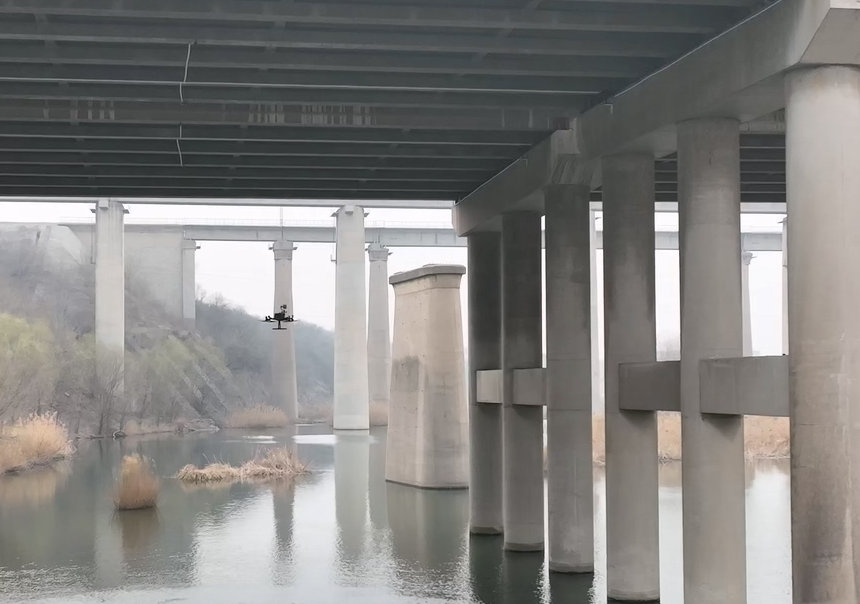
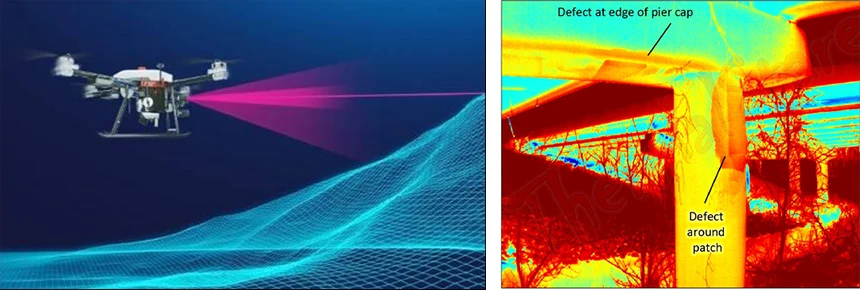
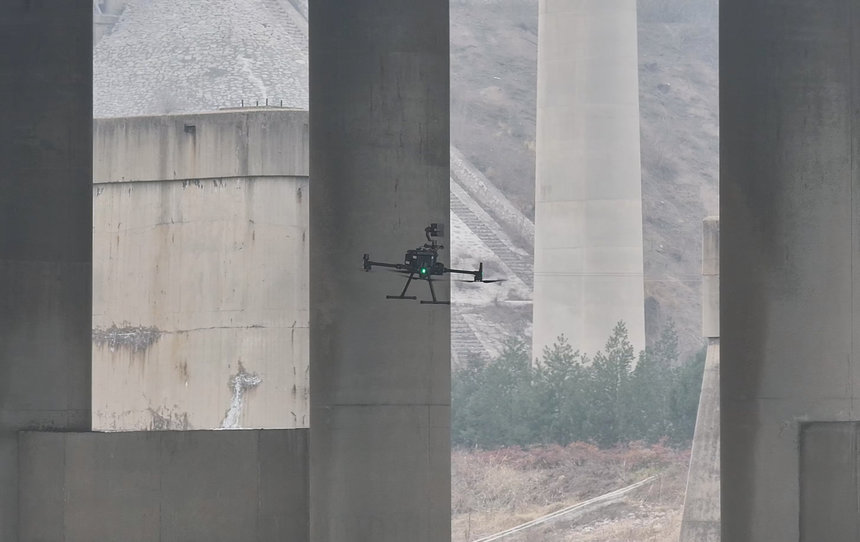
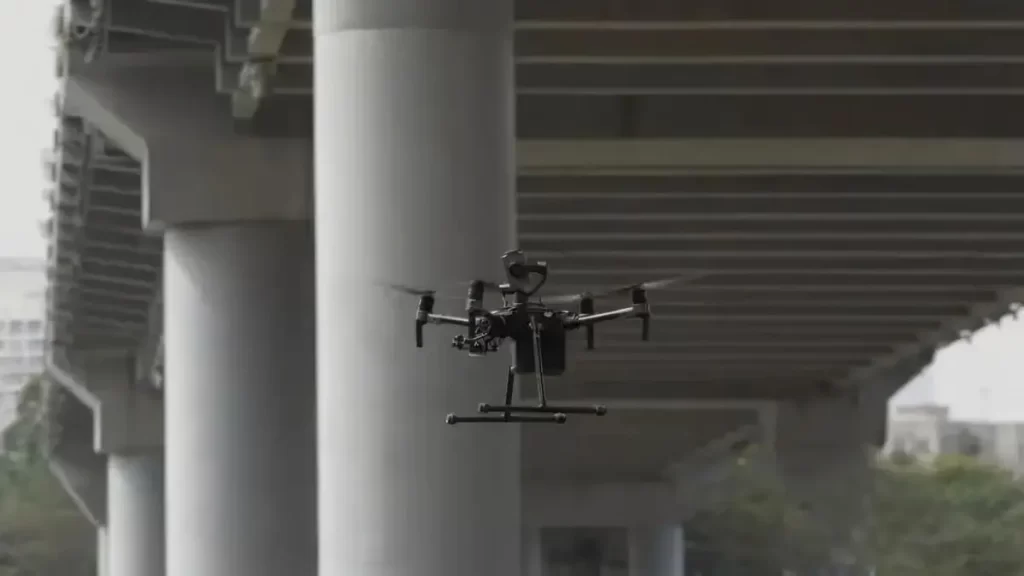
- Drone-based inspections
- AI-powered defect detection
- Structural health monitoring systems
- Digital twin modeling
These technologies improve efficiency, safety, and data accuracy—especially for large and complex structures like suspension bridges.
Conclusion
Ensuring the long-term safety of suspension bridges requires a combination of engineering expertise and modern inspection technologies. By adopting a proactive and data-driven approach, infrastructure managers can detect issues early and optimize maintenance strategies.
👉 Riebo’s Drone Bridge Inspection Solution leverages high-resolution imaging, intelligent analytics, and automated workflows to help engineers conduct safer, faster, and more accurate bridge inspections—especially for complex structures like suspension bridges.