1. The Growing Need for Intelligent Bridge Inspection
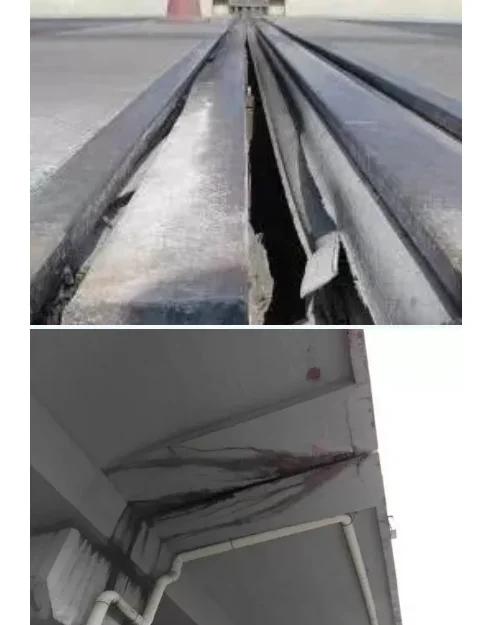
Across the globe, bridges form the backbone of transportation networks, supporting the daily movement of millions of vehicles and tons of goods. Yet, aging infrastructure and increasing traffic loads have made structural monitoring more critical than ever. Traditional inspection methods often struggle to meet the rising demand for accuracy, speed, and safety. As a result, the integration of AI and drone technology has emerged as a transformative solution for modern bridge inspection, enabling engineers to detect potential failures before they escalate into costly or dangerous incidents.
2. Why Traditional Inspection Methods Are Limited
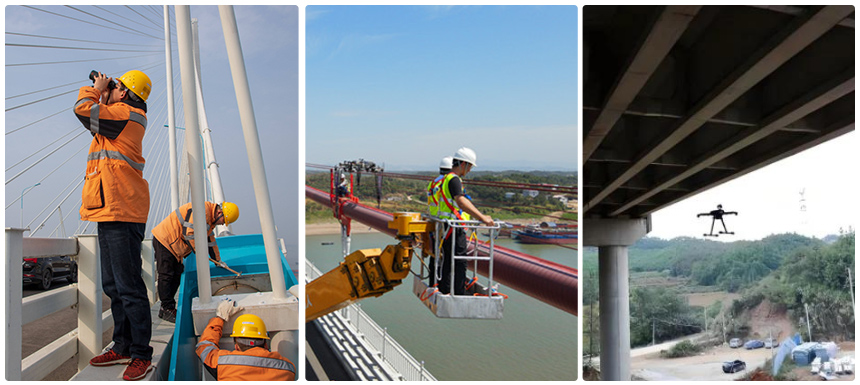
Conventional bridge inspections rely heavily on manual visual assessments, scaffolding, or large bridge inspection vehicles. These methods are labor-intensive, time-consuming, and pose significant safety risks to workers operating at height or above water. In addition, access to critical areas—such as the underside of bridge decks or tall pylons—is often restricted, leading to incomplete data collection. Environmental factors like wind, traffic vibration, and poor lighting further reduce inspection reliability. The result is a process that, while long established, struggles to deliver consistent precision and efficiency.
3. How AI & Drones Improve Efficiency and Safety
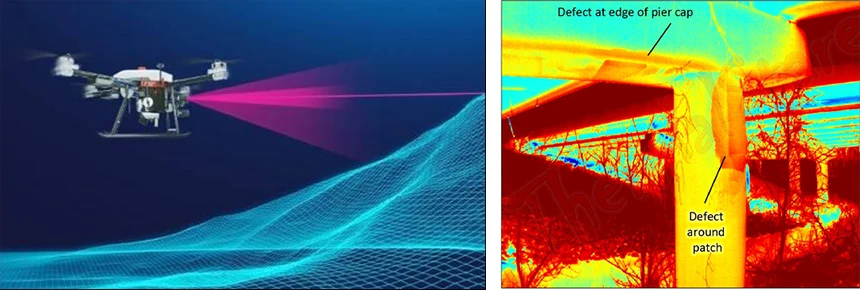
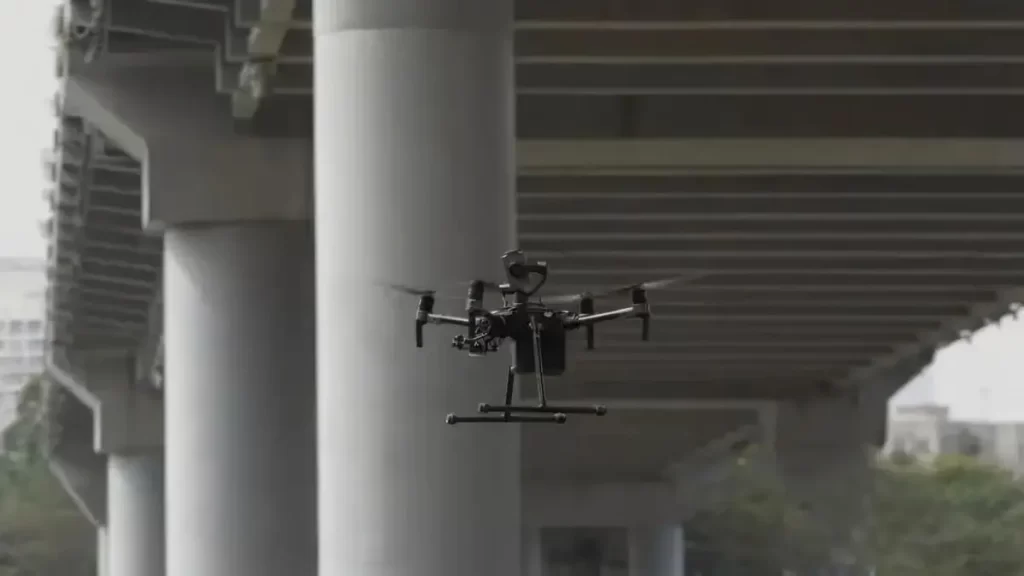
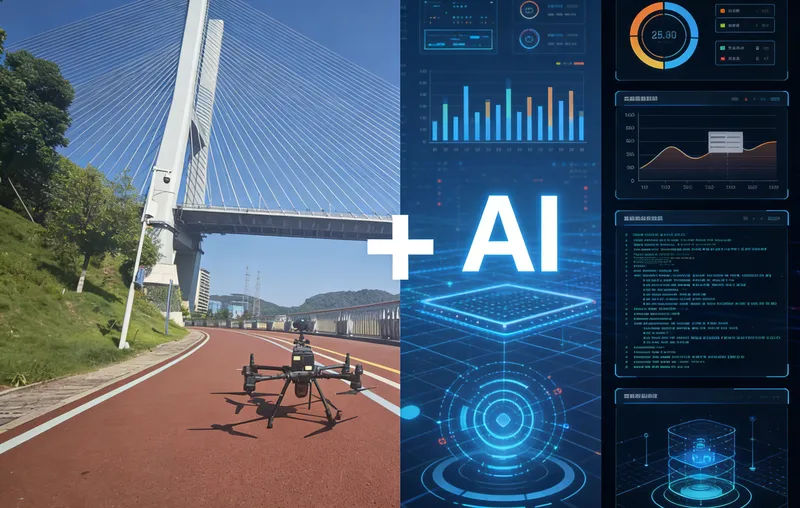
Drones combine advanced flight planning software, imaging sensors, and AI data analytics to revolutionize bridge inspection workflows. Equipped with high-resolution cameras and infrared or thermal imaging systems, drones can quickly capture detailed visuals from every angle of a structure—without the need for lane closures or human exposure to hazardous environments.
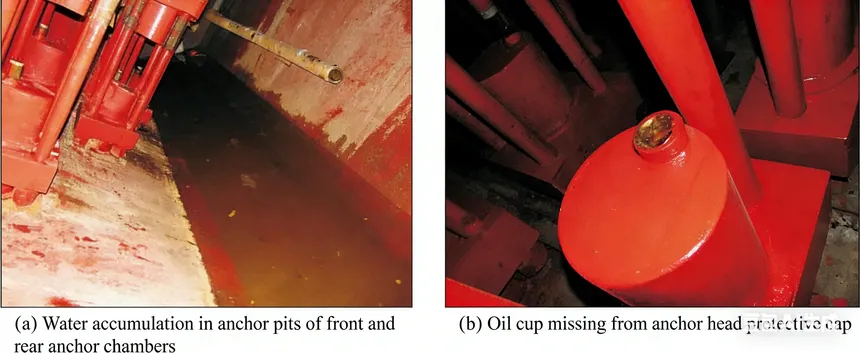
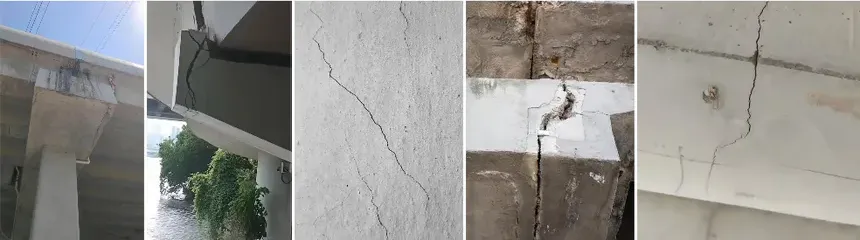
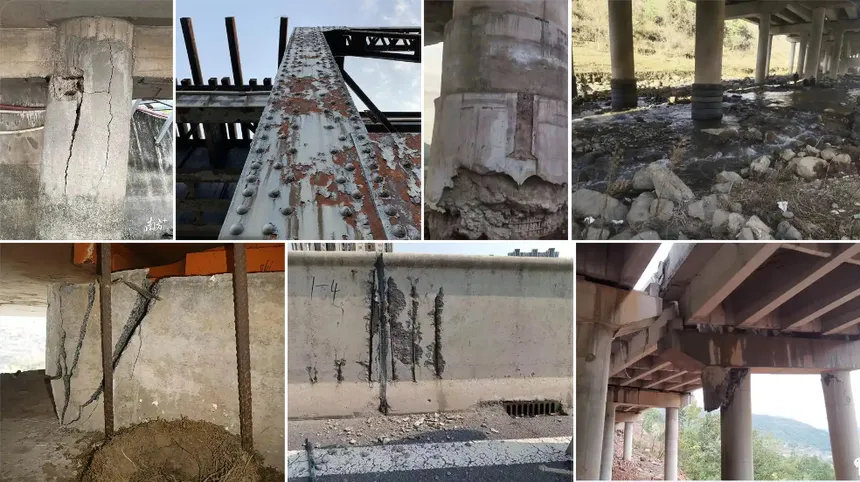
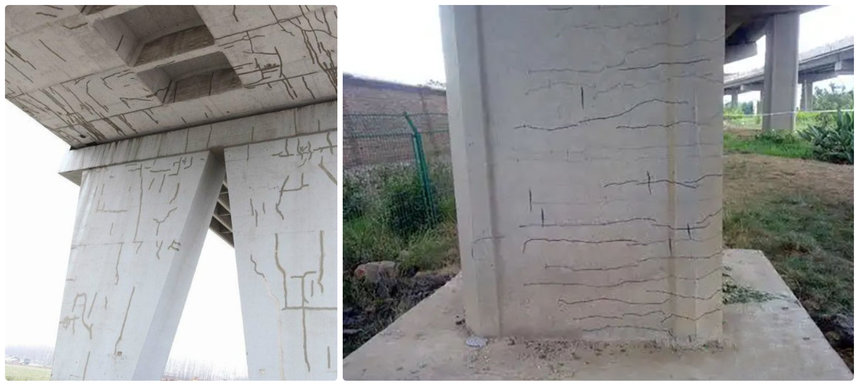
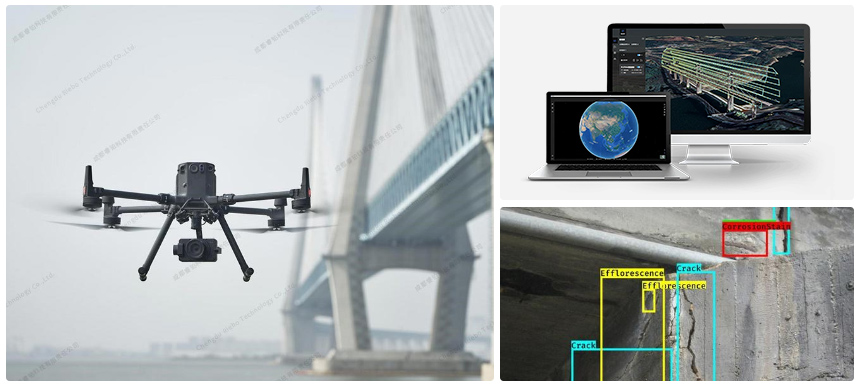
Artificial intelligence enhances this process by automatically detecting cracks, corrosion, spalling, and other surface anomalies from captured imagery. Machine learning algorithms can classify and quantify damage with precision, creating digital inspection reports in a fraction of the time required by manual assessments. The result: reduced inspection costs, improved safety, and faster maintenance decision-making.
4. Applications of LiDAR and Computer Vision in Bridge Inspection
Beyond standard imaging, drones are increasingly equipped with LiDAR (Light Detection and Ranging) sensors and computer vision systems that generate high-accuracy 3D models of bridge structures. LiDAR captures millions of data points to create point clouds, allowing engineers to measure deformations, displacement, and geometric irregularities with millimeter precision.
Computer vision, powered by deep learning, automatically identifies patterns and compares new inspection data with previous scans to monitor structural health over time. These technologies provide a foundation for predictive maintenance and digital twin applications—helping bridge authorities shift from reactive to proactive asset management.
5. Case Example: How Riebo’s Drone Bridge Inspection Solution Supports Accurate and Safe Assessments
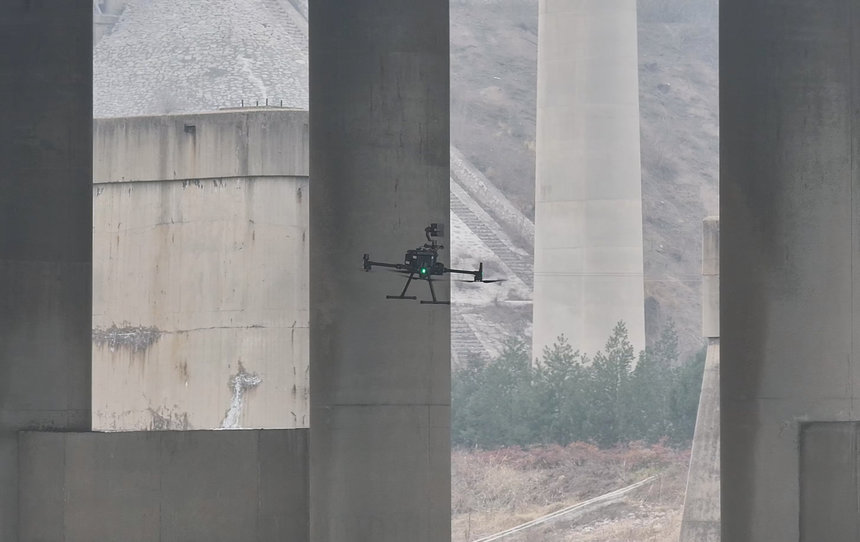
Riebo’s Drone Bridge Inspection Solution integrates UAV flight control, AI recognition, and multi-sensor imaging to deliver comprehensive inspection results. The system can operate under bridges where GNSS signals are weak, using advanced INS positioning and smart flight planning software to ensure full visual coverage. AI algorithms then process collected images to identify structural issues automatically, reducing the reliance on manual review.
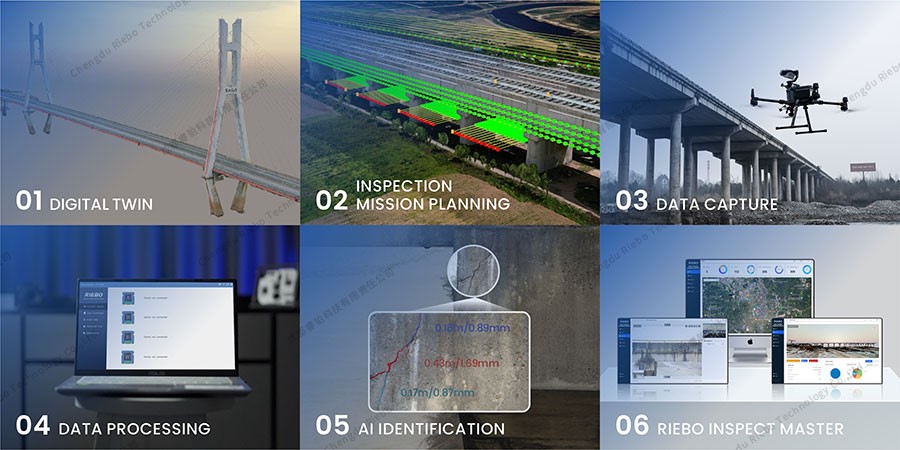
Riebo’s solution has been successfully deployed on various bridge types—from highway overpasses to large cable-stayed bridges—offering faster turnaround times, higher data accuracy, and safer field operations. Through intelligent flight planning and cloud-based analysis, engineers can obtain actionable insights within hours instead of days.
6. The Future of AI-Driven Infrastructure Maintenance
The convergence of AI, drones, and data analytics is reshaping how infrastructure is maintained. In the near future, autonomous drone fleets may continuously monitor bridges, uploading real-time data to centralized management platforms. Combined with predictive AI models, maintenance teams will be able to anticipate deterioration, optimize resource allocation, and extend the lifespan of critical assets.
As governments and transportation agencies increasingly adopt smart infrastructure management systems, solutions like Riebo’s Drone Bridge Inspection Solution will play a pivotal role in ensuring bridge safety, sustainability, and operational efficiency in the digital era.