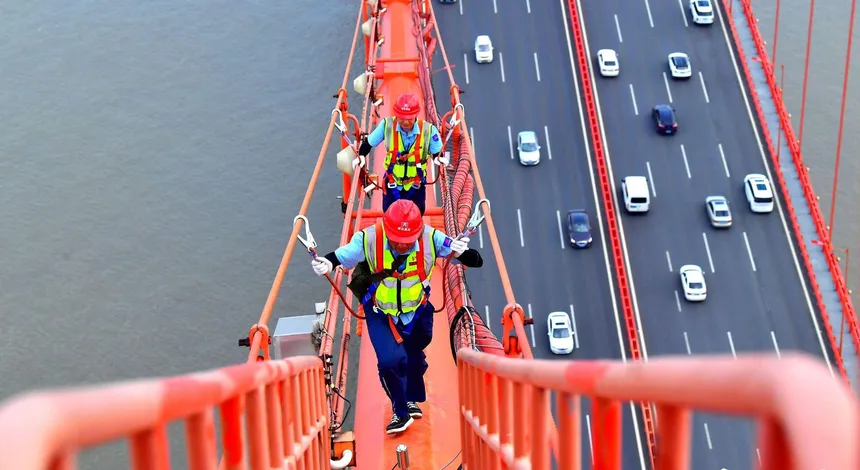
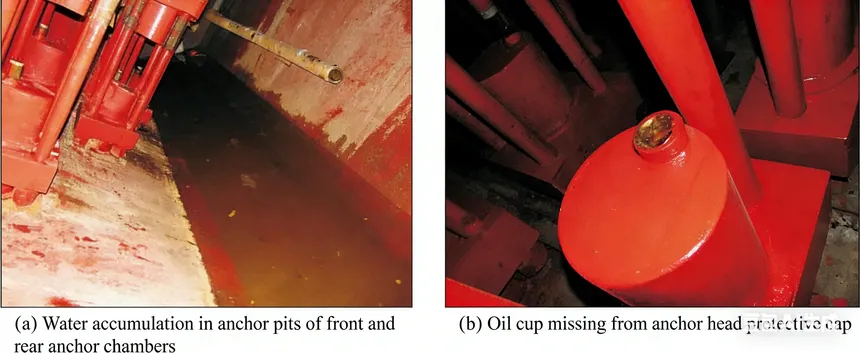
Bridges are vital nodes in transportation networks, continuously subjected to vehicle loads, environmental erosion, and material aging. Over time, these factors lead to various structural diseases. Timely and accurate identification of such defects is essential for ensuring operational safety and extending the service life of bridges.
This article summarizes the five most common types of bridge diseases, detailing their characteristics and practical identification methods — providing valuable guidance for inspectors and maintenance engineers.
1. Concrete Cracks — The Most Common Structural Disease
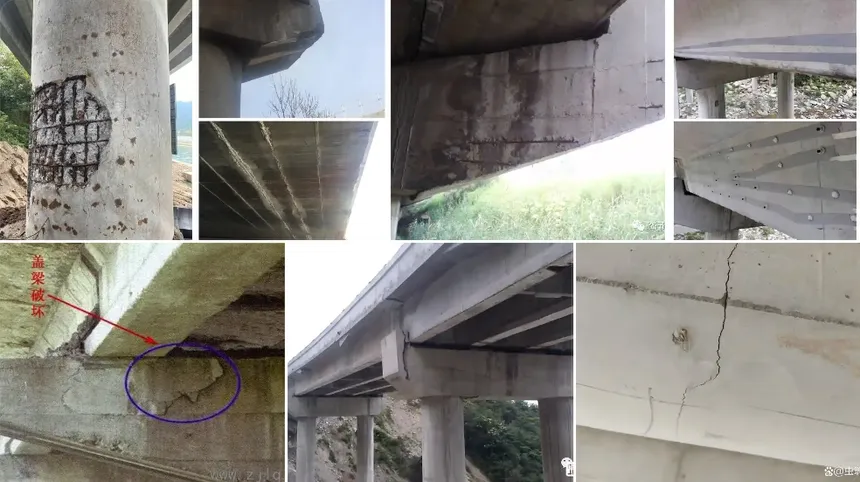
Concrete cracking is the most frequent issue found in bridge inspections, accounting for more than 80% of all detected problems. Cracks directly affect the structural strength and durability of the bridge.
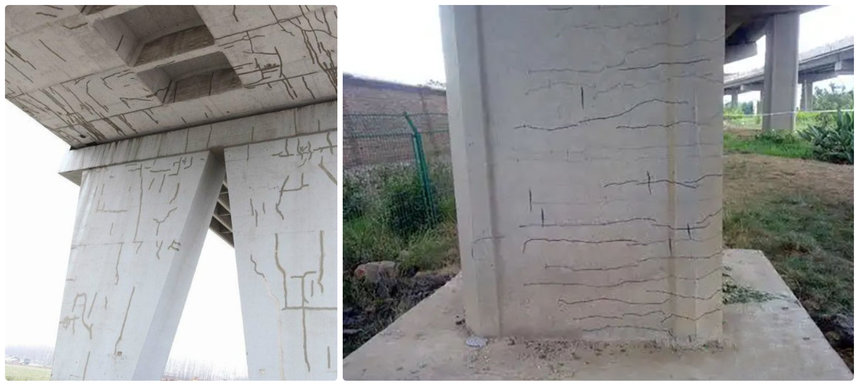
Types of Cracks
- Transverse cracks: Usually occur at mid-span sections due to bending moments.
- Vertical/diagonal cracks: Common in webs and associated with shear stress or eccentric loading.
- Longitudinal cracks: Typically caused by concrete shrinkage or prestress loss.
- Microcracks (≤0.2 mm): Often overlooked but may gradually expand over time.
Identification Methods
- Visual inspection and manual measurement: Use telescopes or crack width gauges to record position, length, and width. Cracks exceeding 0.3 mm require focused monitoring.
- Ultrasonic testing: Determines crack depth and whether it penetrates the member.
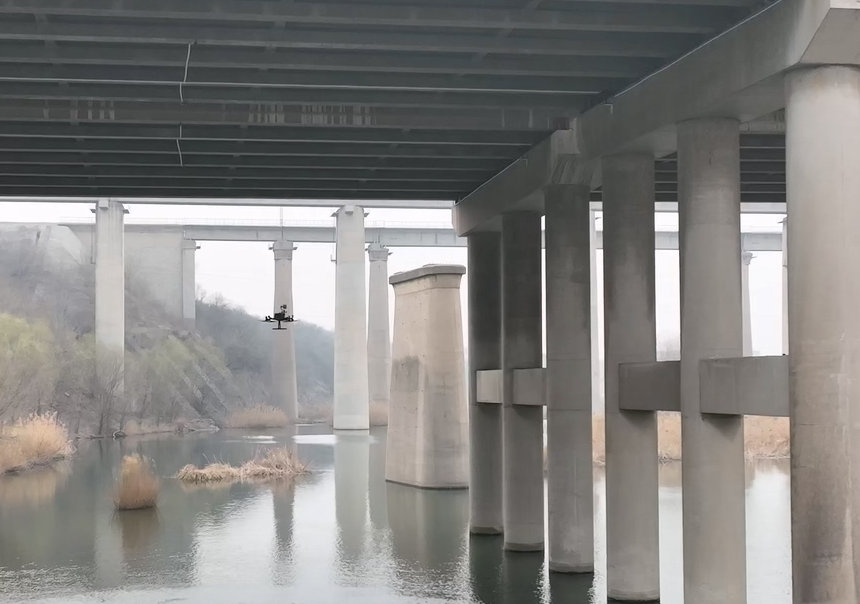
- Drone + AI recognition: Efficiently captures high-resolution images of hard-to-reach areas and detects microcracks as small as 0.1 mm.
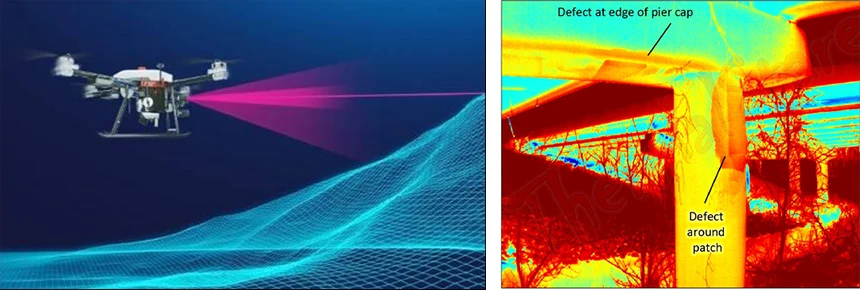
- Infrared thermography: Identifies hidden internal cracks through temperature variation patterns.
2. Steel Reinforcement Corrosion and Concrete Spalling
Rebar corrosion leads to volume expansion, which cracks and detaches the protective concrete layer, exposing steel bars and severely reducing structural capacity.
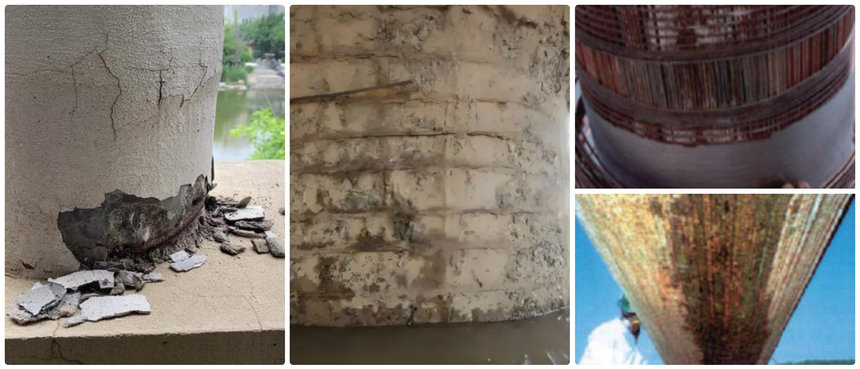
Disease Characteristics
- Rust-induced cracks, visible rust stains, and concrete surface flaking.
- In severe cases, exposed steel bars and section loss weaken structural integrity.
- Chloride corrosion is more common in coastal areas or regions affected by deicing salts and acid rain.
Identification Methods
- Visual inspection: Observe rust traces, spalling, and exposed rebar areas.
- Rebound hammer and carbonation testing: Assess carbonation depth and corrosion risk.
- Rebar locator: Measures cover thickness and identifies potential corrosion zones.
- Half-cell potential method: Non-destructive technique to evaluate corrosion activity and severity.
3. Bearing Damage — The “Joint” Failure of the Bridge
Bearings are key components connecting superstructure and substructure, responsible for transmitting loads and accommodating deformations. Bearing damage can cause uneven stress distribution across the bridge.
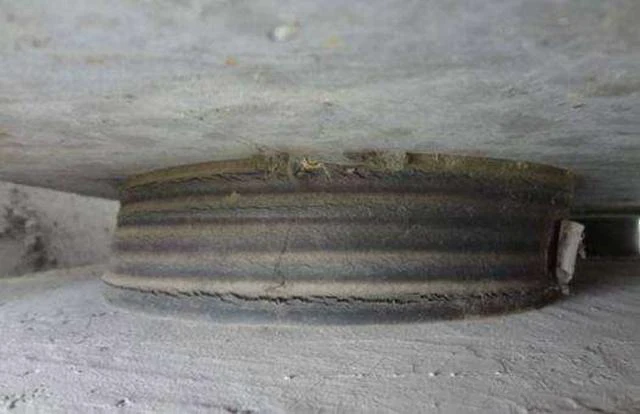
Types of Bearing Damage
- Rubber bearings: Aging cracks, bulging, voids, or shear deformation.
- Pot or spherical bearings: Rusted steel parts, oil leakage, excessive displacement, or loosened anchor bolts.
Identification Methods
- Feeler gauge testing: Check for voids; if the void area exceeds 10%, corrective action is required.
- Leveling and total station measurement: Determine whether horizontal and vertical displacements exceed design limits.
- Visual inspection and photography: Record signs of cracking, aging, corrosion, or deformation.
- Stress testing: Evaluate load transmission and identify any uneven stress or misalignment.
4. Deck Pavement and Expansion Joint Damage
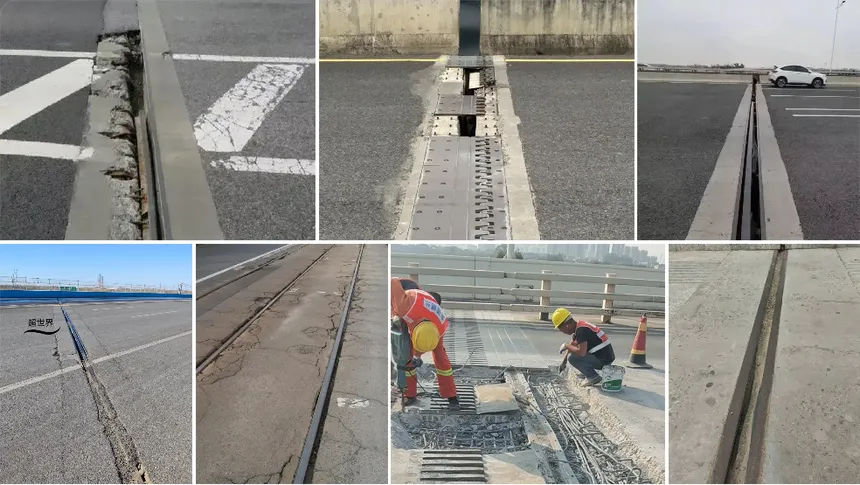
These components directly affect driving comfort, and their deterioration accelerates the degradation of girders and piers.
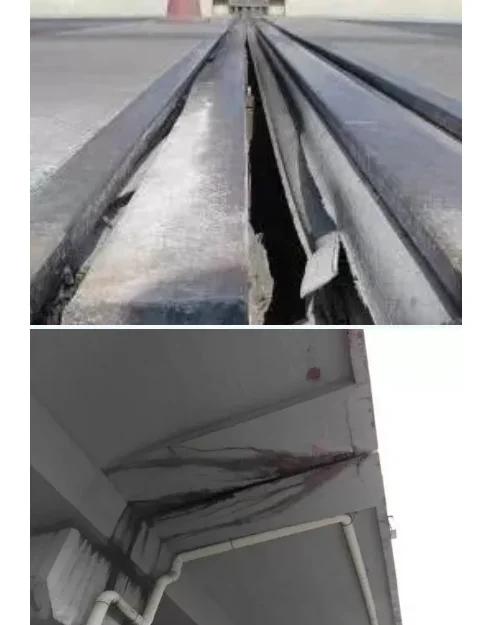
Disease Characteristics
- Pavement: Potholes, rutting, cracks, water leakage, and surface peeling.
- Expansion joints: Blockage, rubber belt damage, steel fractures, and impact-induced noise (“bump”).
Identification Methods
- Walking inspection: Observe visible damage, water leakage, and blockage conditions.
- Water permeability test: Determine whether the pavement layer allows leakage that could erode girders.
- Laser flatness measurement: Quantify pavement smoothness and damage degree.
- Drone survey: Quickly cover the entire bridge and identify concealed defects.
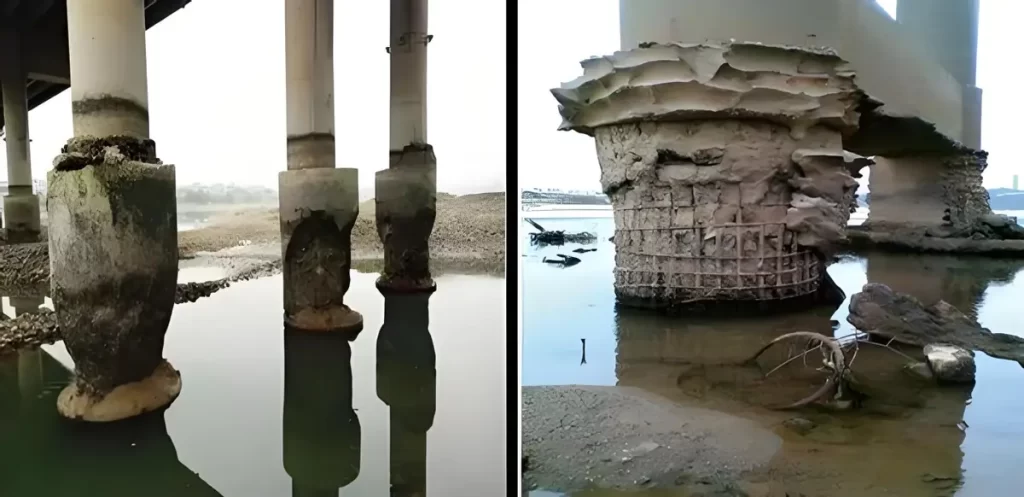
5. Pier and Foundation Diseases — Hidden Risks in the Substructure
The substructure forms the foundation of the entire bridge. Its diseases are often hidden but can cause severe safety issues.
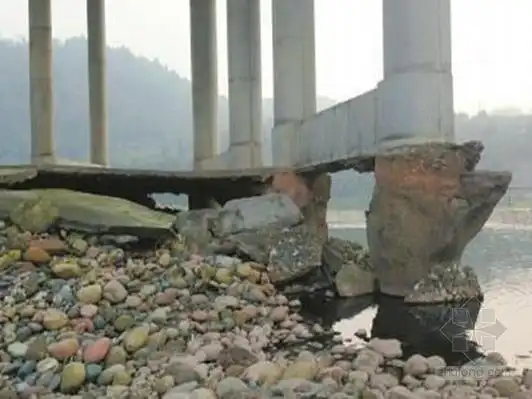
Types of Diseases
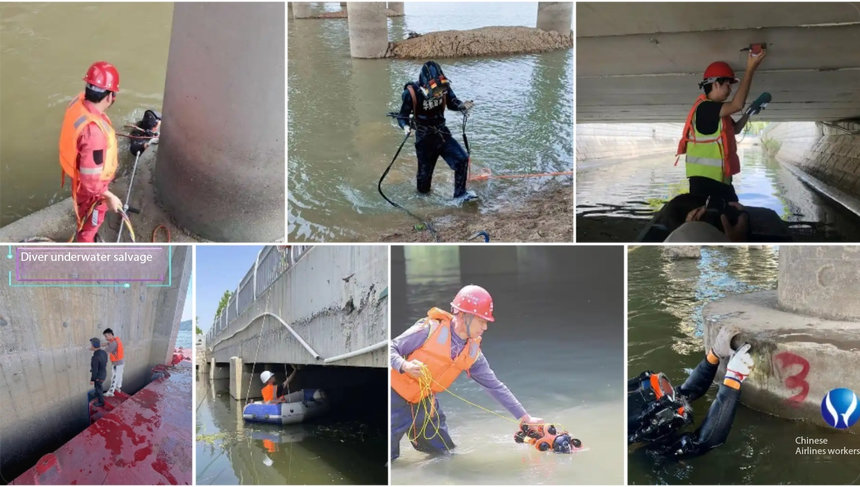
- Piers and abutments: Vertical/horizontal cracks, corrosion, tilting, or settlement.
- Foundations: Scour, voids, sliding, uneven settlement, and corroded exposed piles.
Identification Methods
- Total station or leveling survey: Monitor pier inclination and settlement over time.
- Underwater inspection: Divers or underwater robots examine scour and foundation damage.
- Ground-penetrating radar (GPR): Detects voids and scour range around foundations.
- Ultrasonic or sonar testing: Identifies internal pile defects and underwater structural diseases.
Conclusion
Bridge disease identification follows the principle of “early detection, early evaluation, and early treatment.”
By combining manual inspection with advanced tools such as drones, ultrasonic testing, infrared thermography, and AI-based image recognition, engineers can significantly enhance both efficiency and accuracy.
Understanding these five major categories of bridge diseases helps standardize inspection workflows and provides reliable technical references for maintenance, reinforcement, and structural evaluation — reinforcing the safety of transportation infrastructure.
Riebo’s Drone Bridge Inspection Solution integrates UAV imaging, AI-powered defect recognition, and multi-sensor analysis to automatically detect cracks, corrosion, deformation, and other structural anomalies.
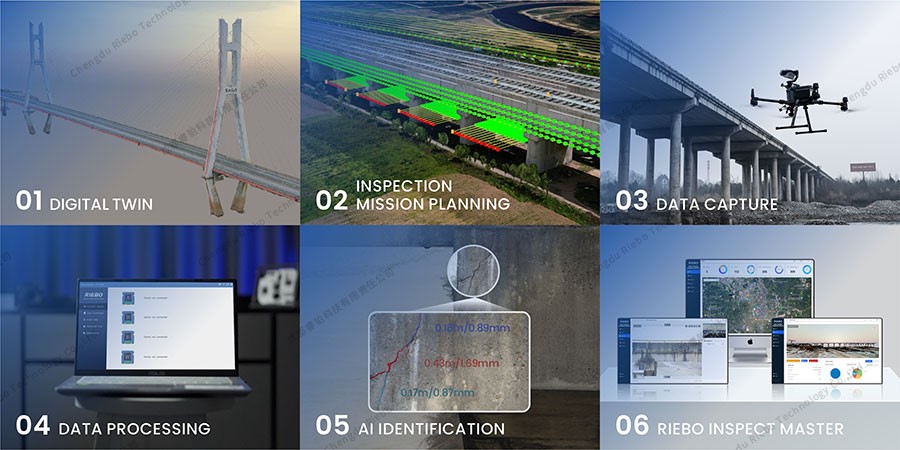
This smart solution enables engineers to conduct faster, safer, and more accurate bridge inspections, ensuring long-term reliability and safety.