In recent years, bridge cables have been widely used in cable-stayed bridges, suspension bridges, and arch bridges. As key load-bearing components, the effective metal cross-section area of cables directly affects bridge safety and service life.
Currently, bridge cable inspection methods mainly include visual inspection, cable force testing, and modal analysis. However, these traditional methods still have limitations in detecting internal cable damage. As a result, there is still no fully effective solution for accurately identifying internal metal damage in bridge cables, which has led to increasing research and application of advanced non-destructive testing technologies.
Traditional Bridge Cable Inspection Methods
Visual Inspection
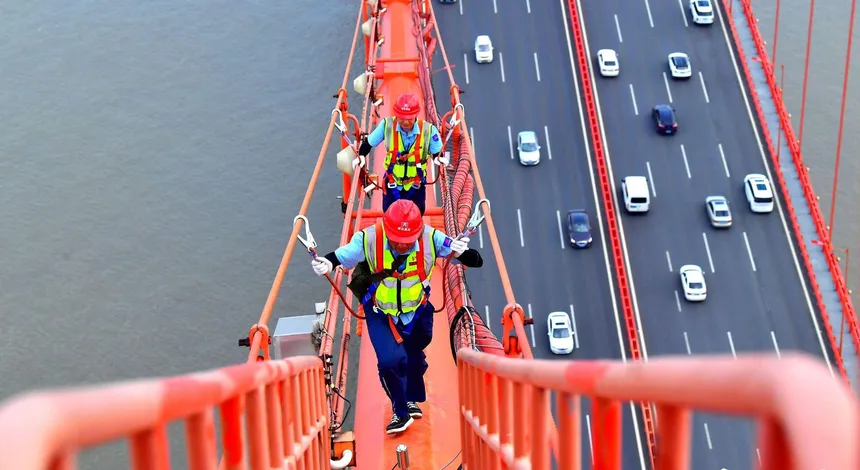
Visual inspection is one of the most commonly used methods for bridge cable assessment. Inspectors typically examine the external protective sheath and visible components of cables to determine potential defects.
However, this method has significant limitations. Since cable damage often occurs inside the cable structure, external observation alone cannot accurately determine internal conditions. In addition, visual inspection usually requires manual access, which leads to high labor intensity and low inspection efficiency. The reliability of inspection results also depends heavily on inspector experience, which may affect consistency.
Cable Force Testing
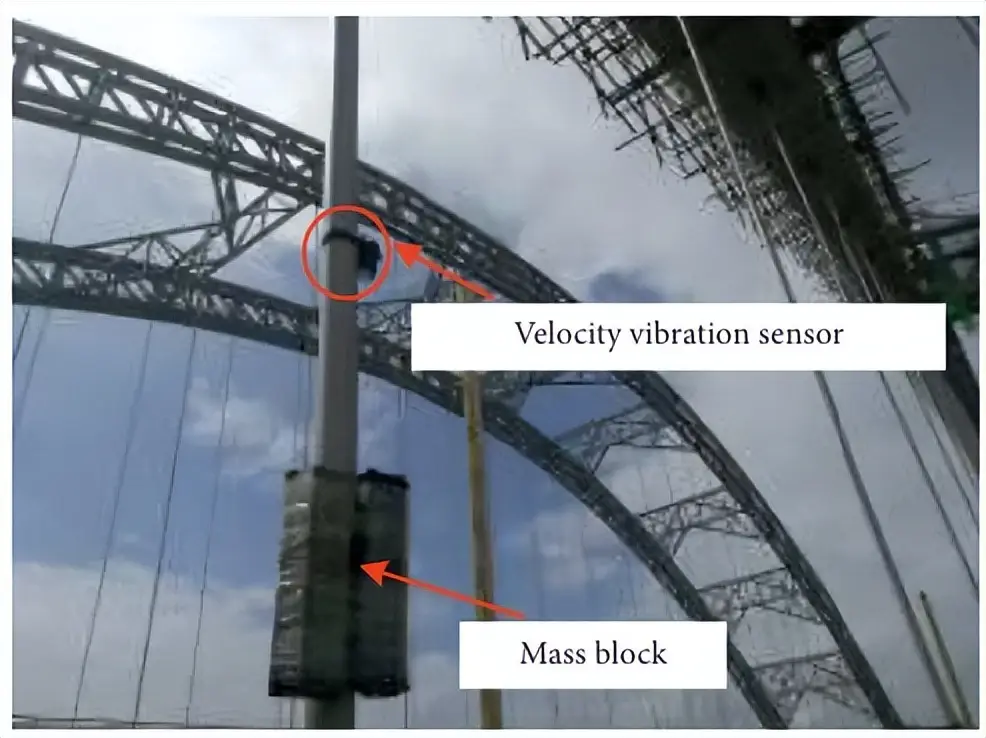
Cable force testing methods are mainly used to evaluate the load distribution of bridge cables. Engineers measure cable forces to determine whether cables are working under normal stress conditions and to identify abnormal load distribution.
Although cable force testing can provide useful structural information, it mainly reflects the overall force condition of the cable rather than identifying localized defects. Moreover, real-time monitoring of cable force during bridge operation remains difficult, which limits the effectiveness of this method in detecting early-stage damage.
Modal Analysis Method
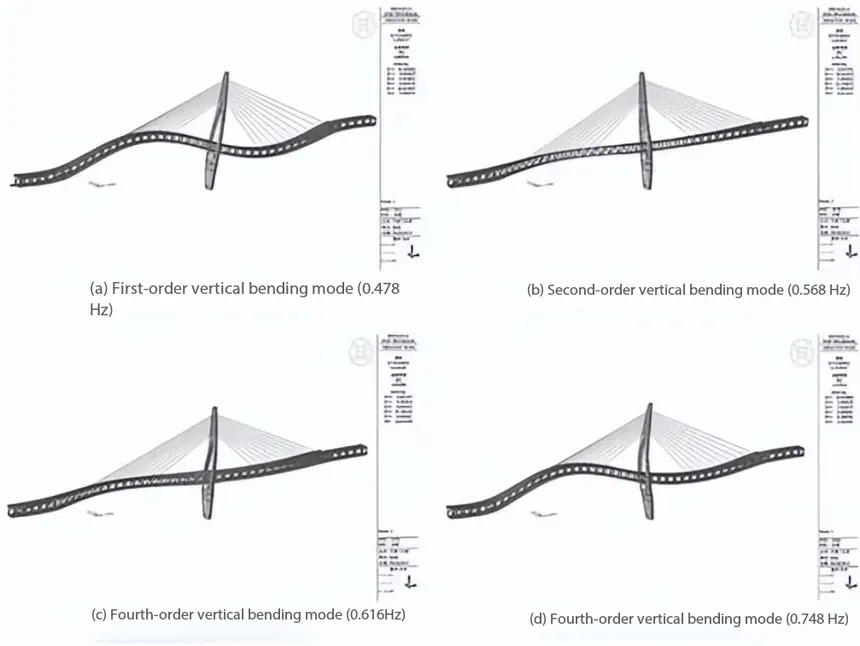 Modal frequency diagram of bridge cables
Modal analysis evaluates bridge structural performance by measuring vibration characteristics. Engineers collect vibration data and analyze modal parameters such as frequency, damping, and mode shapes to assess structural behavior.
While modal analysis can reflect overall bridge performance, it cannot effectively identify damage in individual components such as cables. In addition, environmental conditions and traffic loads may affect measurement accuracy, making it difficult to isolate cable-specific issues.
Challenges in Bridge Cable Inspection
Bridge cable inspection faces several technical challenges. One major challenge is the large diameter of cables used in long-span bridges. These cables often consist of multiple steel wires or strands, and internal voids may exist within the cable structure. These characteristics increase the difficulty of detecting internal damage.
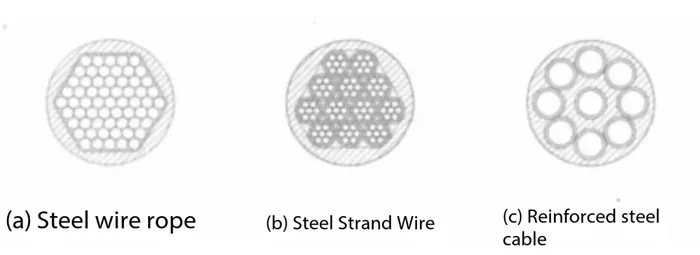 Bridge cable structure type
Another challenge arises from the protective materials used in bridge cables. Early bridge cable designs often used cement grout or polyester wrapping for corrosion protection. Modern cables typically use polyethylene protective sheaths with varying thickness. These protective layers increase the distance between sensors and steel components, reducing detection sensitivity and making inspection more difficult.
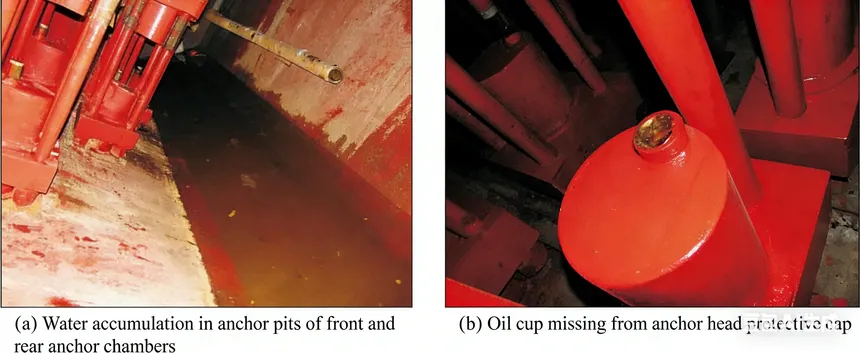
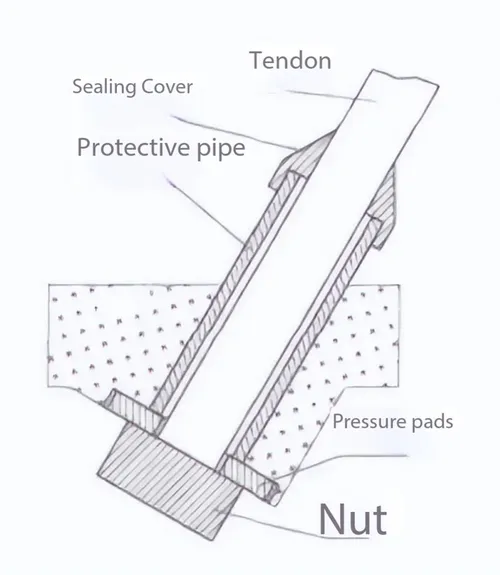 The structure of the cable anchoring area
In addition, cable anchorage zones are often enclosed within protective structures. These areas are difficult to access and increase the complexity of inspection. Since anchor zones are critical load transfer components, detecting damage in these areas is particularly important.
Advanced Non-Destructive Testing Methods
To address the limitations of traditional inspection approaches, engineers have developed several non-destructive testing technologies for bridge cable inspection.
Acoustic Emission Testing
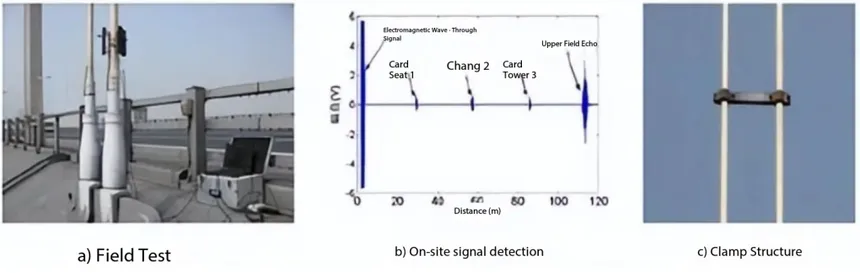 On-site device for acoustic emission detection
Acoustic emission testing detects internal defects by monitoring elastic waves generated during material stress. Sensors installed on cables capture vibration signals, which are then amplified and analyzed to determine the presence of cracks or other defects.
This method allows real-time monitoring of structural behavior and can detect crack development. However, acoustic emission testing requires sensor installation and long-term monitoring, which can increase implementation complexity. Signal interference and power supply requirements also present technical challenges.
Radiographic Testing
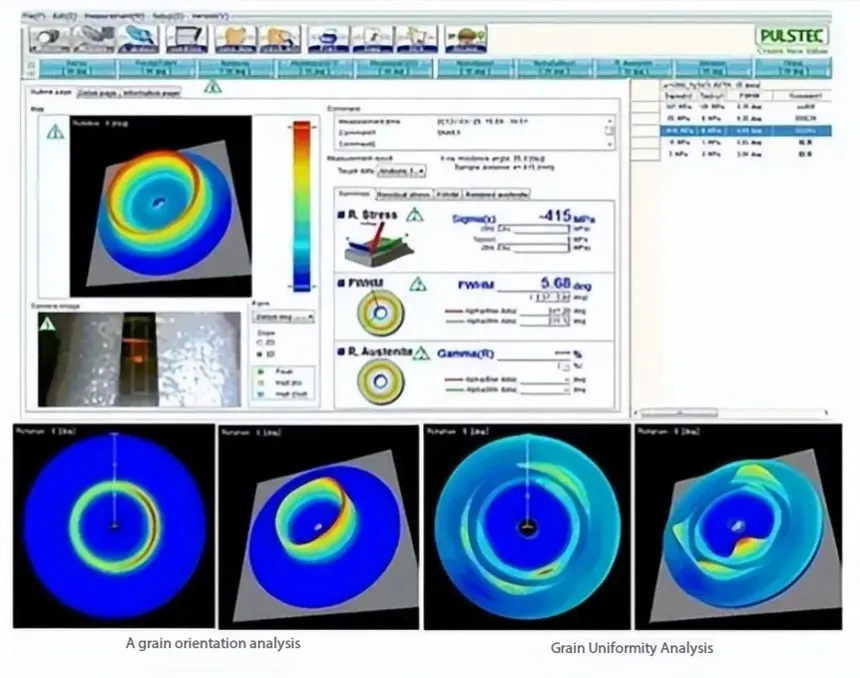
Radiographic testing uses X-ray or gamma radiation to detect internal defects in cables. When defects exist, radiation attenuation changes, and imaging equipment can capture variations that indicate internal damage.
Although radiographic testing can detect internal defects, it has limitations. The method is relatively expensive and requires strict safety precautions. In addition, the efficiency of radiographic testing is relatively low, making large-scale inspection difficult.
Magnetic Detection Method
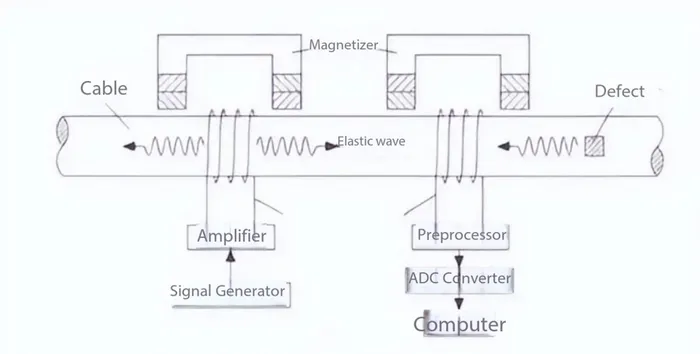
Magnetic detection methods include magnetic flux leakage and magnetic measurement techniques. These approaches magnetize the cable and detect changes in the magnetic field caused by internal defects.
Magnetic detection can identify wire breakage, corrosion, and cross-section loss. This method has been widely used in steel cable inspection, although sensor installation and accessibility challenges may affect its application in certain bridge structures.
Drone-Based Inspection
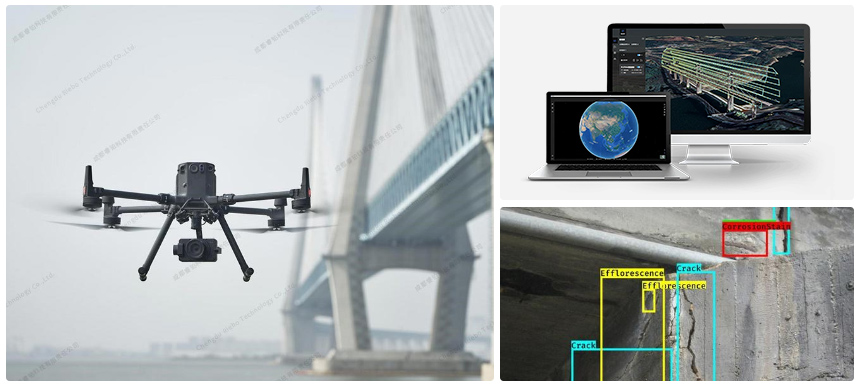
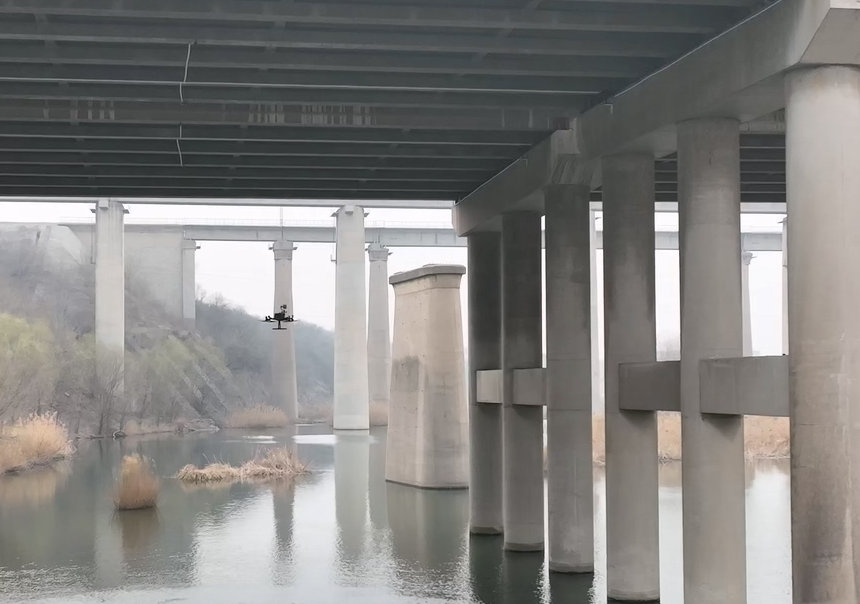
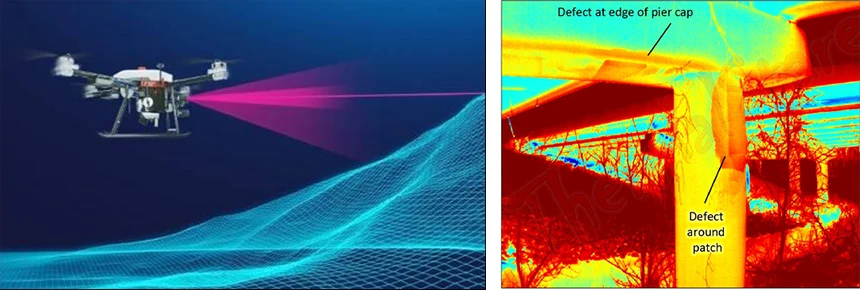
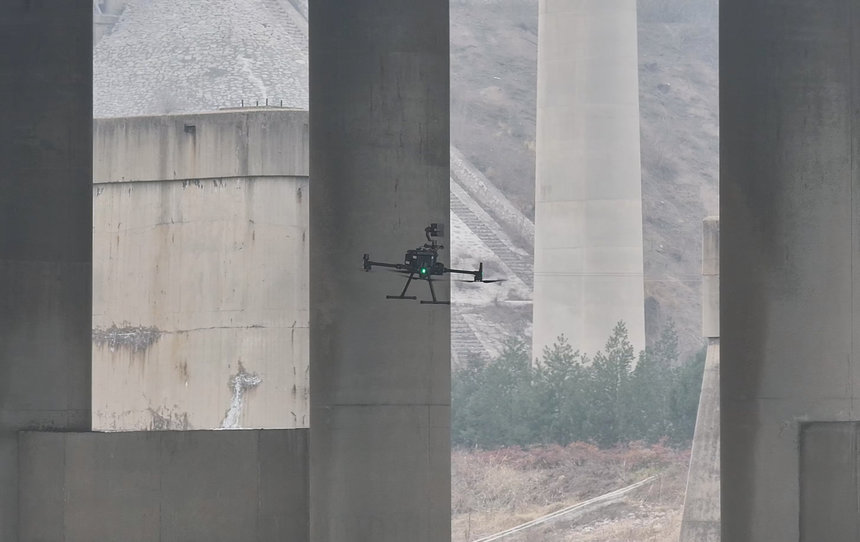
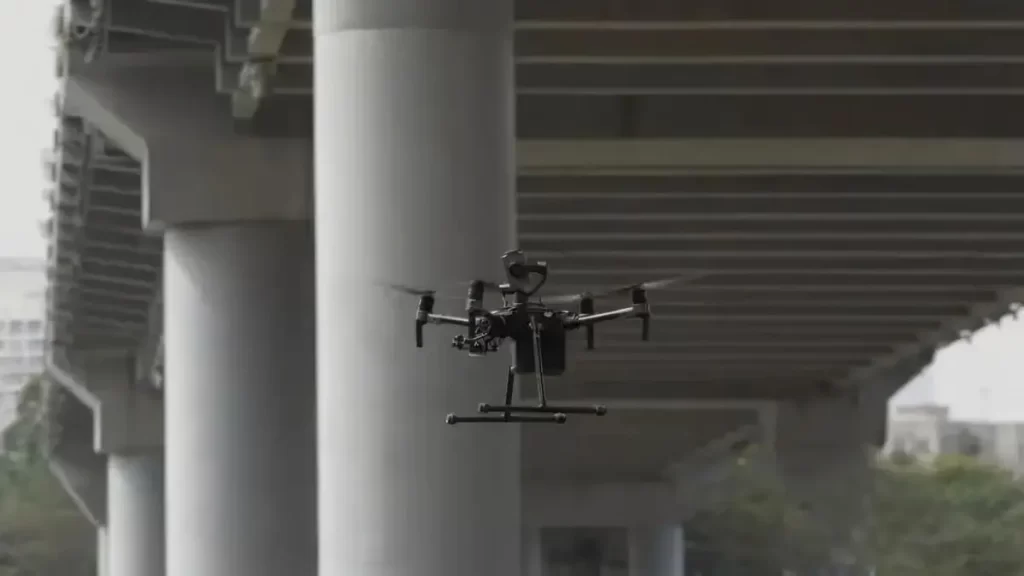
Drones equipped with multispectral cameras, LiDAR systems, and infrared thermal imaging sensors can efficiently inspect bridge cables through intelligent flight route planning and AI-based analysis. This approach enables the detection of surface cracks as small as 0.1 mm, as well as internal corrosion and cross-sectional area loss. By integrating acoustic emission technology, dynamic damage monitoring can also be achieved. These capabilities significantly improve inspection accuracy and safety, making drone-based inspection an increasingly important technology for modern bridge operation and maintenance.
Explore drone bridge inspection method.
Multispectral Imaging and Infrared Thermal Imaging
Drones equipped with gimbal cameras and infrared thermal imaging sensors can simultaneously capture visible light and thermal imaging data. By analyzing temperature differences, inspectors can identify internal cable corrosion or localized stress concentration areas that may not be visible through conventional inspection methods.
LiDAR and 3D Modeling
LiDAR technology can generate sub-millimeter-level point cloud data, allowing precise measurement of cable surface deformation and cross-sectional area loss. When combined with software such as ContextCapture, three-dimensional models can be created to support detailed analysis of structural damage and deterioration.
Acoustic Emission and Dynamic Monitoring
Some drone inspection systems can be equipped with acoustic emission sensors to capture sound wave signals generated by micro-crack propagation in bridge cables. By combining these signals with vibration data, engineers can evaluate structural health conditions and monitor damage progression in real time.
Conclusion
In summary, acoustic emission technology has been successfully applied to in-service cable damage monitoring. However, long-term online monitoring is costly and therefore not suitable for most bridges. Radiographic testing, on the other hand, may cause environmental concerns and often requires partial bridge closure during inspection, which can disrupt normal traffic operations. As a result, it is not well suited for large-scale field application in bridge cable inspection.
From the perspective of detection principles, magnetic inspection methods and magnetostrictive guided wave testing are considered promising approaches for cable damage detection. In particular, combining these two methods offers significant advantages. Low-frequency magnetostrictive guided waves can first be used to rapidly scan the entire cable and identify suspicious areas. Once potential defects are detected, magnetic inspection methods can then be applied for detailed examination, thereby improving inspection efficiency. In addition, high-frequency magnetostrictive guided waves can be directly applied to inspect cable anchorage zones, enabling comprehensive cable inspection without blind spots. This approach is expected to further promote the development of non-destructive testing technologies for bridge cables.
It is also worth noting that drones equipped with multispectral imaging and infrared thermal imaging technologies can quickly screen for surface and near-surface cable damage. This capability complements magnetostrictive guided wave testing, forming an air-ground collaborative inspection approach. In this model, drones conduct large-scale preliminary inspections, while magnetostrictive techniques are used for detailed evaluation of suspicious areas. Such a coordinated method improves inspection efficiency and reduces the impact on traffic operations, providing a new technical pathway for non-destructive bridge cable inspection.