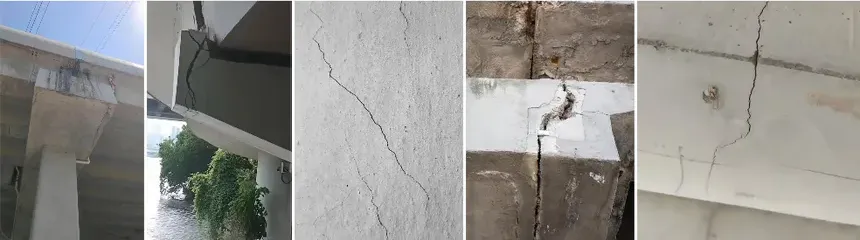
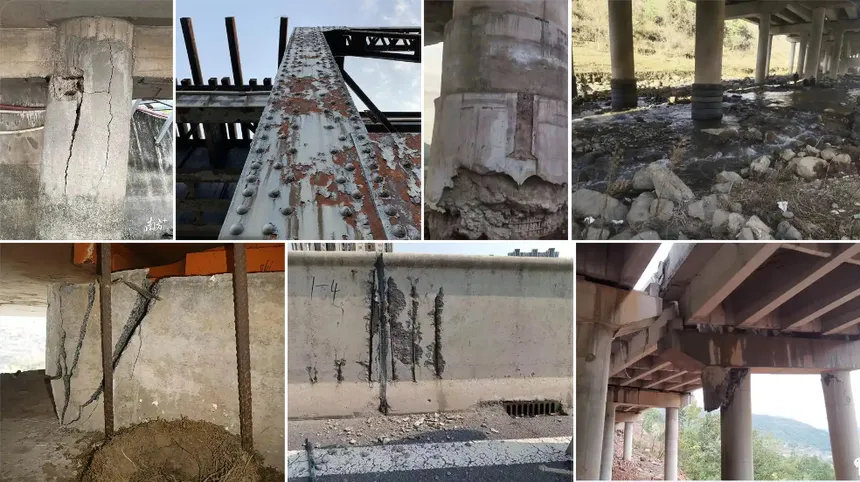
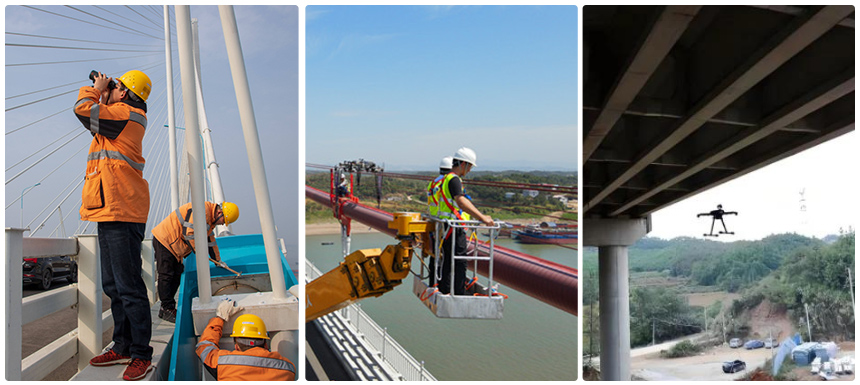
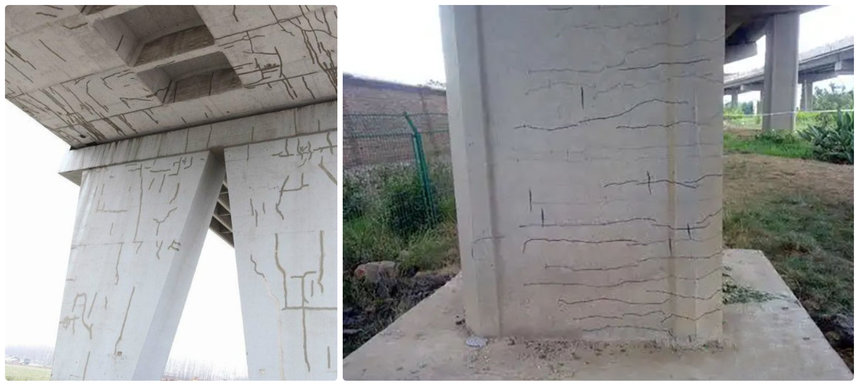
Bridges play a critical role in transportation networks, carrying vehicles, goods, and people every day. Over time, heavy traffic, weather, corrosion, and material fatigue can gradually weaken their structures. To ensure safety and extend service life, bridges must undergo regular inspection and condition assessment.
This article explains the most common bridge inspection methods—from basic visual checks to advanced testing and AI-assisted monitoring—so that both engineers and general readers can understand how bridges are kept safe and reliable.
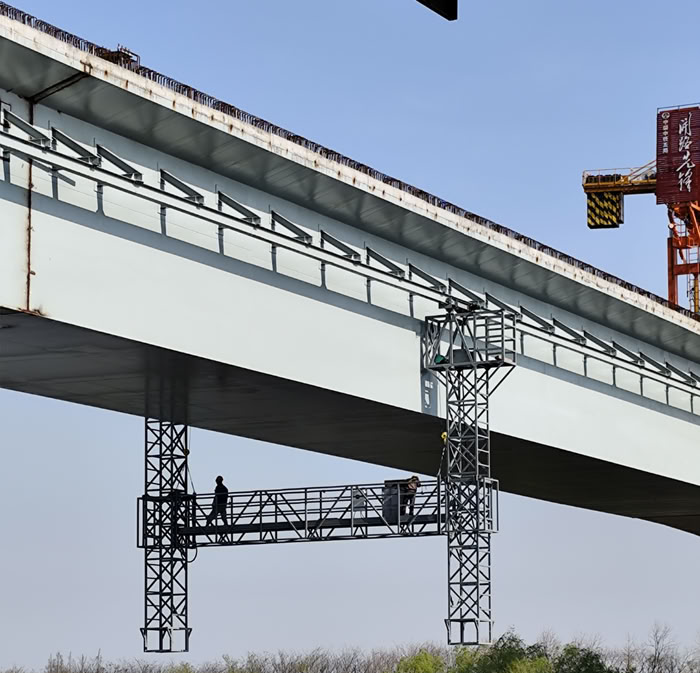
Importance and Purpose of Bridge Inspection
Bridge inspection helps engineers and maintenance teams evaluate the current condition of a bridge and identify early signs of deterioration.
Through regular inspection, they can:
- Detect cracks, deformation, or corrosion before they become severe.
- Assess whether the bridge can still safely carry the required loads.
- Plan maintenance and repair work more efficiently.
Simply put, bridge inspection is about preventing problems before they cause failures. It ensures the safety of the public and helps governments and owners manage maintenance budgets effectively.
Bridge Inspection Methods by Structural Components
1. Bridge Deck Inspection
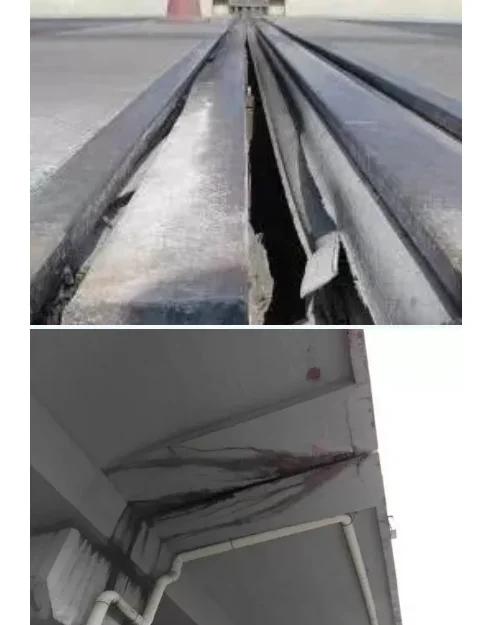
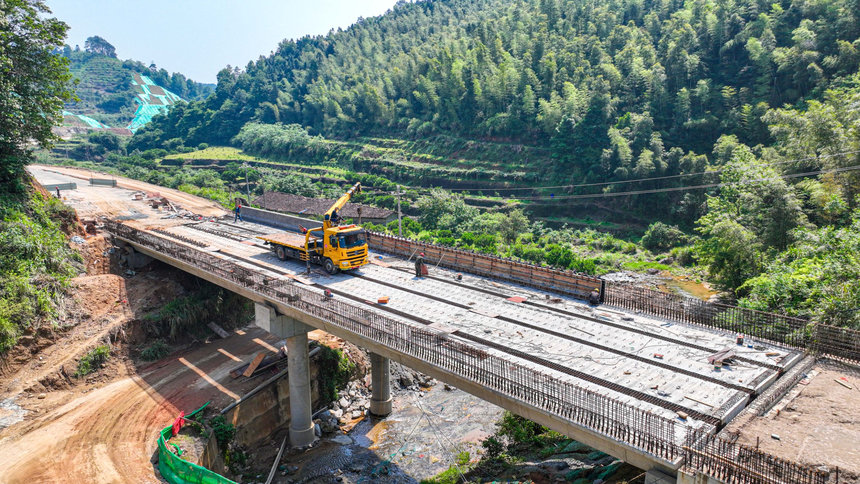
The bridge deck is the surface where vehicles and pedestrians travel. It is exposed to traffic loads, sunlight, rain, and temperature changes, so damage here often appears first.
Inspectors look for:
- Surface cracks, potholes, or scaling of concrete or asphalt.
- Clogged drainage systems that allow water to seep into the deck.
- Damaged joints or leaking expansion gaps.
Methods include visual inspection, hammer sounding (tapping the surface to detect hollow areas), infrared thermography, and UAV (drone) imaging.
These tools help identify both visible and hidden defects that affect comfort and safety.
2. Superstructure Inspection (Girders, Slabs, Beams)
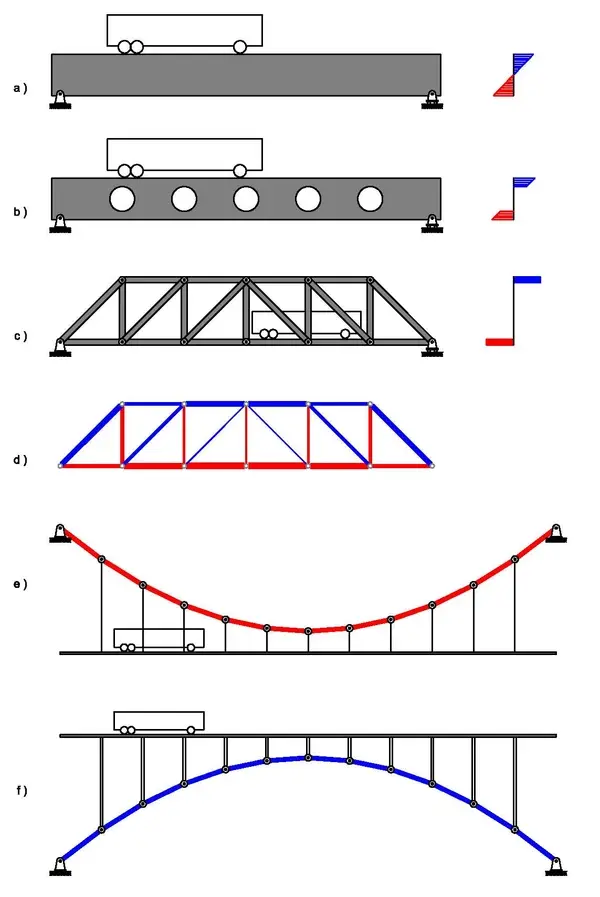
The superstructure is the main load-bearing part of the bridge—it transfers traffic loads to the supports. Common issues include cracking, corrosion, or fatigue in steel and concrete members.
Inspectors use:
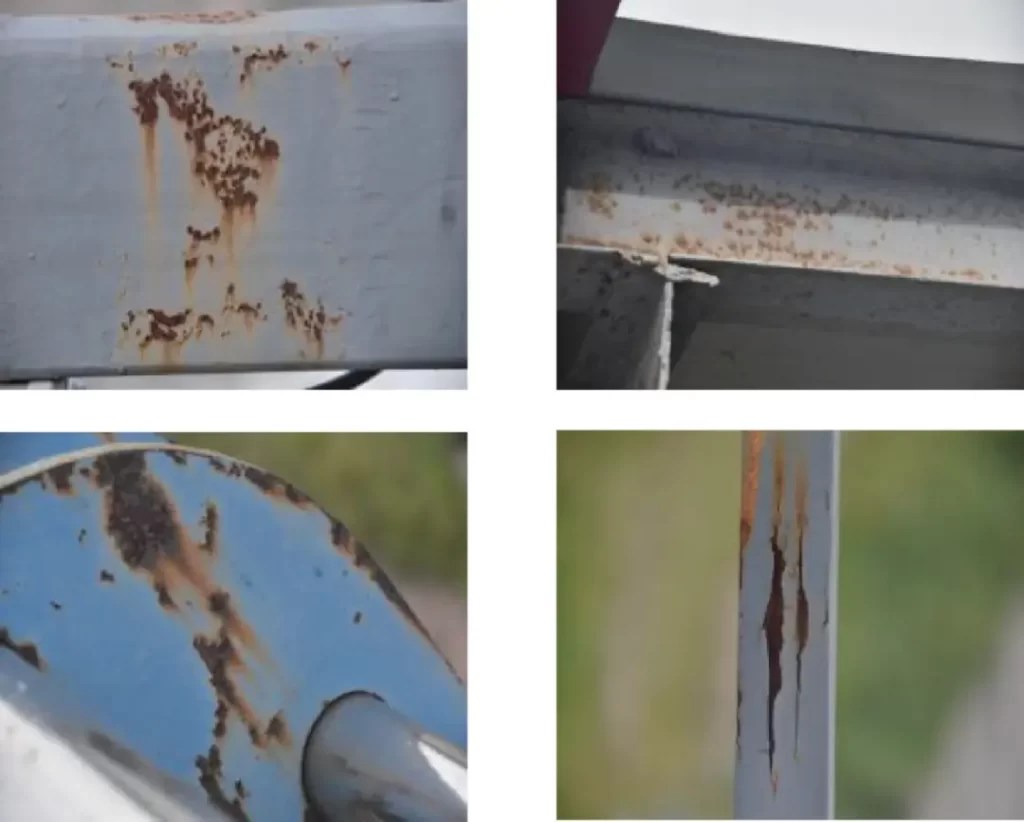
- Visual checks to find rust, cracks, or broken welds.
- Ultrasonic or magnetic testing to locate internal defects that can’t be seen on the surface.
- Strain gauges or sensors to monitor how the beams respond under real traffic.
These inspections help determine whether the structural members are still performing properly.
Modern systems such as AI image analysis can automatically recognize cracks or corrosion in photos and generate digital inspection reports—this technology is increasingly used in advanced bridge management systems.
3. Bearing Inspection
Bearings connect the bridge superstructure to its supports, allowing slight movement when the bridge expands or contracts due to temperature or traffic loads.
Over time, bearings may:
- Shift out of alignment.
- Show signs of rust, aging rubber, or deformation.
- Lose their ability to rotate or slide smoothly.
Inspectors check whether the bearings are properly positioned and whether any dirt, corrosion, or deformation affects their performance.
Infrared cameras and laser alignment tools are often used to measure position changes precisely.
4. Pier and Substructure Inspection
Piers and columns support the entire upper part of the bridge. They are exposed to water, soil, and environmental effects, which can cause cracks, spalling, or scouring (erosion of soil around the base).
For piers in rivers or near coastlines, underwater inspection is essential. Divers or remotely operated vehicles (ROVs) use cameras and sonar equipment to detect cracks or erosion below the waterline.
Above water, drones can capture high-resolution images of hard-to-reach surfaces.
Combining these data sources gives engineers a complete view of the pier’s condition and helps them prevent stability issues before they worsen.
5. Foundation and Pile Testing
A bridge’s strength ultimately depends on its foundation and piles hidden below the ground. If the soil settles unevenly or the pile concrete deteriorates, the entire structure may tilt or crack.
Common testing methods include:
- Low-strain or sonic echo testing – measures how waves travel through the pile to detect cracks or voids.
- Cross-hole sonic logging – provides a detailed profile of pile integrity.
- Core drilling – used to collect concrete samples for laboratory testing.
Load tests (both static and dynamic) can also be performed by applying controlled forces to measure how the pile behaves under stress. These results confirm whether the foundation can safely support the bridge loads.
Bridge Static and Dynamic Load Testing
1. Static Load Testing
This method simulates real traffic by placing heavy trucks or weights on the bridge. Sensors then record how much the bridge bends (deflection) or stretches (strain).
If the measured response is within safe limits, the bridge is considered structurally sound. Static load tests are often carried out after bridge construction, major repairs, or when the structure has been in service for many years.
2. Dynamic Load Testing
Dynamic testing measures how a bridge responds to moving loads, wind, or vibrations.
Instead of applying static weights, engineers use vehicles, mechanical shakers, or natural traffic to create vibrations, then measure how the structure reacts.
By analyzing vibration frequencies and damping ratios, engineers can determine whether the bridge stiffness has decreased or if hidden damage exists. This is also an essential part of modern Structural Health Monitoring (SHM) systems that track a bridge’s performance over time.
Modern Inspection Technologies
In recent years, digital and intelligent inspection methods have revolutionized bridge monitoring.
Drones (UAVs), 3D scanning, AI image recognition, and digital twin models allow faster, safer, and more comprehensive inspections than ever before.
For example, Riebo’s AI-powered bridge inspection uses drones to capture detailed imagery of bridge decks, piers, and bearings. The system automatically detects cracks, corrosion, and deformation, then visualizes the results in a digital twin environment for engineers to analyze.
These technologies greatly reduce manual work, improve accuracy, and make bridge maintenance decisions more data-driven.
Conclusion
Bridge inspection is the foundation of bridge maintenance and safety management.
By combining traditional inspection methods—such as visual checks, hammer sounding, and load testing—with modern AI and UAV technologies, engineers can detect early damage, evaluate structural performance, and plan timely repairs.
Regular inspection not only protects public safety but also helps extend the service life of bridges and reduce long-term maintenance costs.
As intelligent systems like Riebo’s bridge inspection solution continue to evolve, bridge health monitoring will become smarter, faster, and more reliable than ever.