Bridge inspection is a technically intensive process, and its costs are influenced by a variety of interrelated factors. With the rapid adoption of drone technology, inspection methods have evolved significantly—reshaping traditional cost structures. This article analyzes bridge inspection costs from three dimensions: core cost drivers, how drone-based technology is transforming cost composition, and strategies for optimizing expenses.
1. Core Factors Affecting Bridge Inspection Costs
Bridge inspection pricing depends on a combination of structural, technical, and environmental conditions.
(1) Bridge Characteristics
The physical and structural properties of a bridge are the foundation for determining inspection workload. Key influencing factors include:
- Size and scale: Bridge length, span count, and width directly affect the number of inspection points and work hours required.
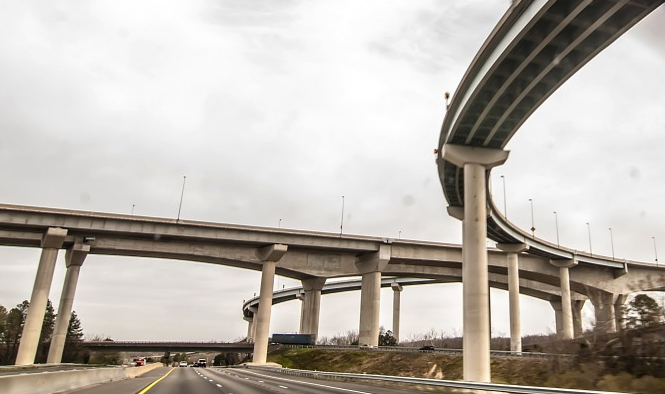
- Structural type: Complex designs—such as cable-stayed, suspension, and arch bridges—require specialized inspections like cable force monitoring, line shape detection, and hanger corrosion testing, all of which increase cost and equipment needs.
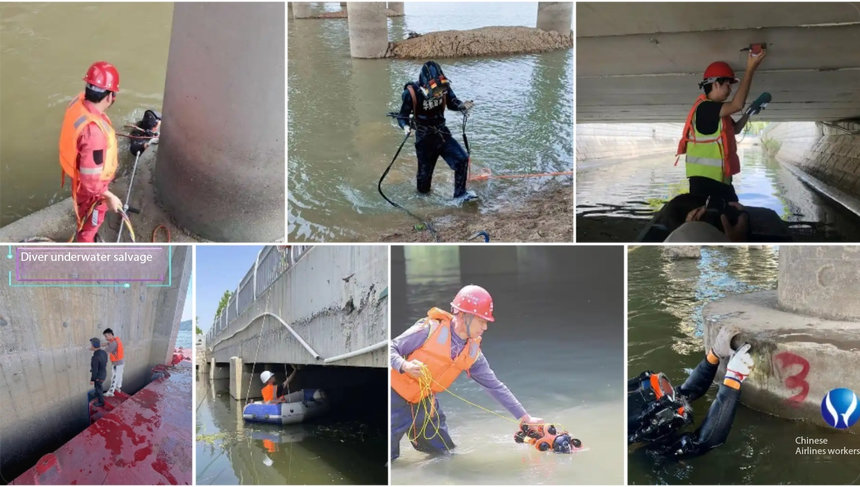
- Site conditions: Bridges over navigable rivers, deep valleys, or active railways involve additional coordination for marine support, high-altitude operations, or traffic control—raising total costs.
(2) Inspection Scope and Depth
According to the Highway Bridge Condition Evaluation Standard and similar regulations, inspection types fall into three categories:
- Routine inspections: Primarily visual, lowest in cost.
- Periodic inspections: Require full-bridge access, typically using inspection vehicles, lifts, or drones.
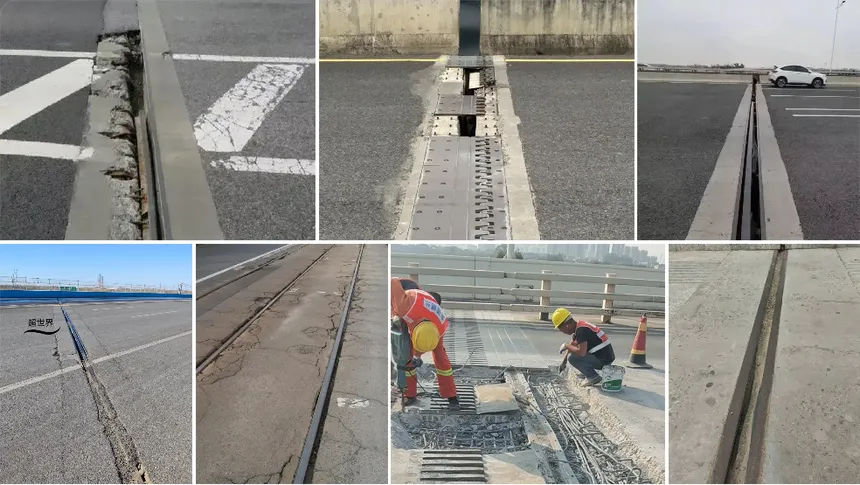
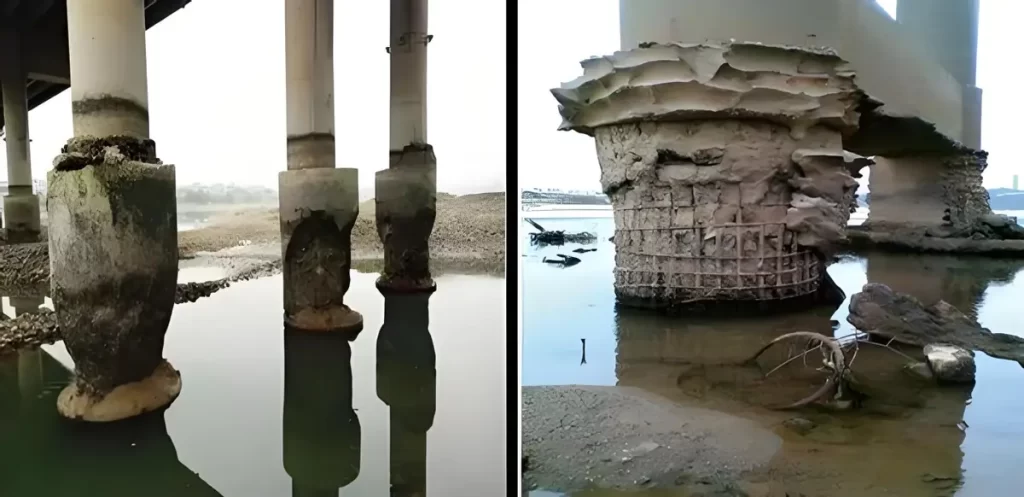
- Special inspections: Include load testing, sampling for material strength, and non-destructive testing (e.g., ultrasonic, GPR, infrared thermography). These demand advanced equipment and analysis, resulting in the highest cost.
(3) Equipment and Resource Inputs
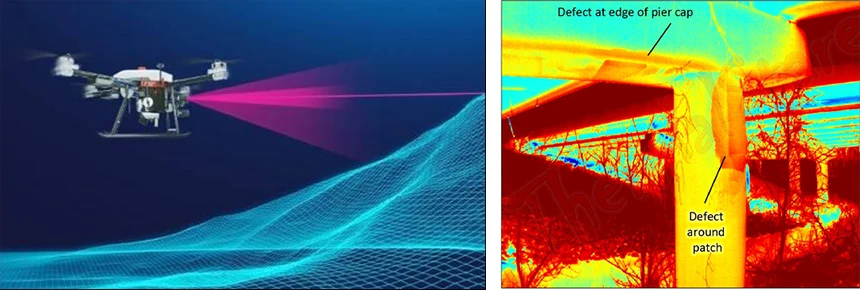
- Technology and tools: Conventional equipment (e.g., crack gauges, levels) costs less than advanced tools like LiDAR, drone-mounted sensors, underwater ROVs, or AI-based defect recognition systems. Though high-tech devices have higher unit costs, they deliver denser and more accurate data—often improving overall efficiency.
- Labor composition: A qualified team—including registered structural engineers and certified inspectors—incurs costs for personnel, travel, and report preparation.
- Traffic management: Lane closures, speed limits, or detours during inspection add expenses for traffic control planning and implementation.
(4) External and Market Factors
- Regional variation: In developed areas, equipment rental and labor costs can be 20–30% higher than in less developed regions.
- Urgency: Emergency or post-disaster inspections requiring rapid turnaround often increase cost by 30–50%.
- Market competition: Prices vary depending on the inspection agency’s qualifications, reputation, and bidding strategy.
2. How Drone Technology Is Reshaping the Cost Structure
The integration of drones in bridge inspection is transforming how costs are distributed—reducing high-risk expenses and improving efficiency.

(1) Substitution Effect: Replacing High-Risk, High-Cost Operations
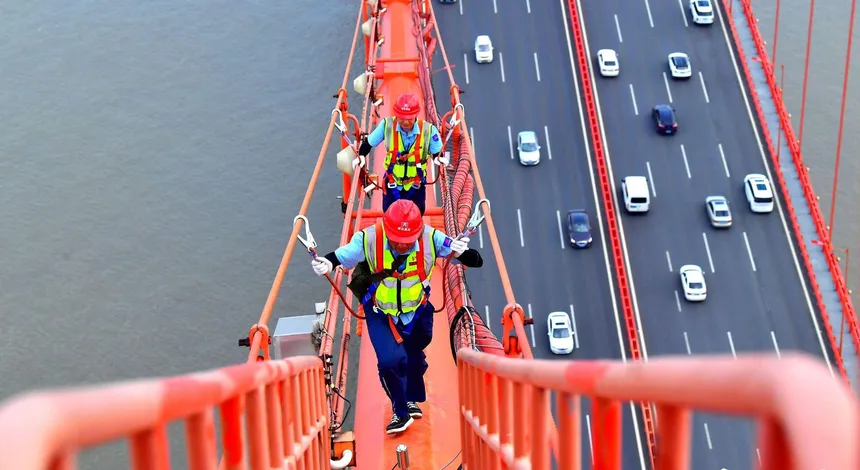
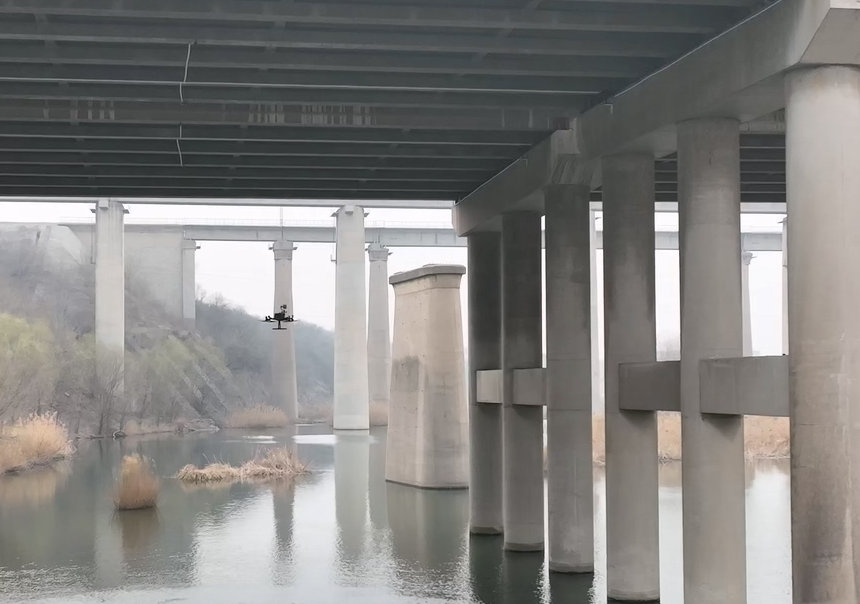
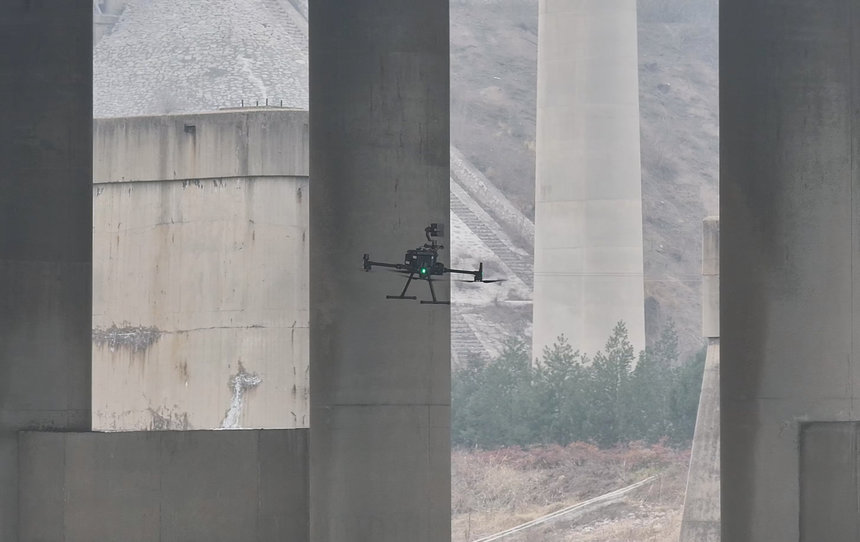
Traditional inspections of high towers, piers, and cables rely on bridge inspection trucks or scaffolding—both costly and risky. Drones equipped with high-resolution cameras, infrared sensors, or LiDAR can now replace over 90% of these high-altitude tasks. This reduces equipment rental, setup time, and safety risks. In practice, drone-based aerial inspections have cut high-altitude inspection costs by 40–60%.
(2) Efficiency Gains: Shorter Inspection Cycles
For large-scale bridges—such as sea-crossing or river bridges—traditional manual inspections may take several days or weeks, often disrupting traffic. Drone swarms can complete equivalent visual surveys within hours, reducing lane occupation time by over 50%. Overall, total inspection costs can drop by approximately 20% through reduced labor hours and equipment time.
(3) Data Precision and Coverage
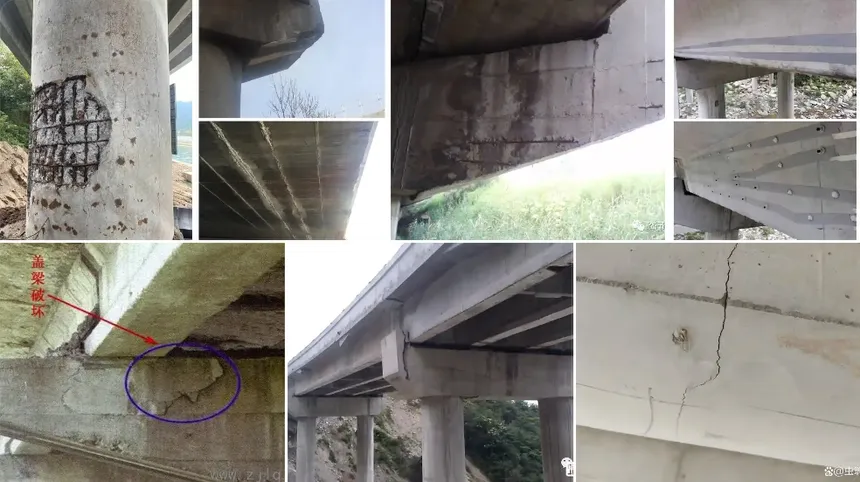
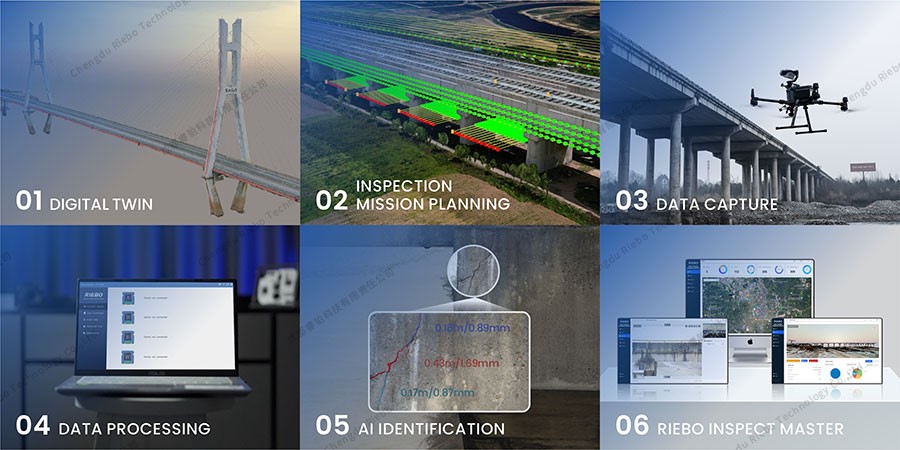
Drone-mounted LiDAR and photogrammetry systems generate detailed 3D point clouds and high-resolution orthophotos, capable of identifying cracks as small as 0.1 mm—far beyond human visual capability. This comprehensive coverage minimizes missed defects and the need for costly re-inspections. The resulting 3D digital models also support long-term comparative analysis, extending the value of each inspection.
(4) Practical Limitations
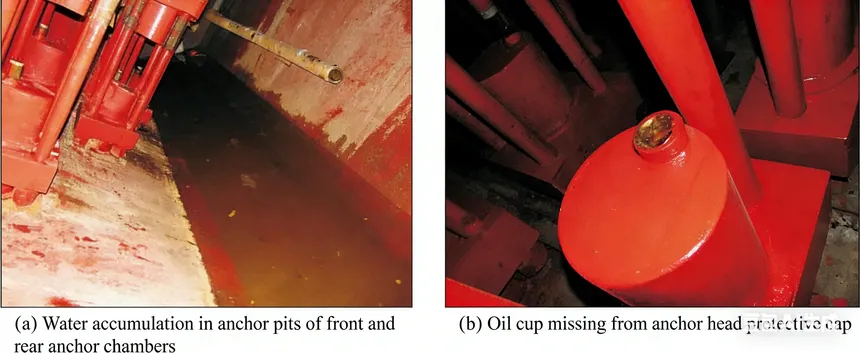
Despite the advantages, drones cannot yet replace all manual operations. Interior inspections (e.g., inside box girders or bearing seats) still require human access. Additionally, post-processing—such as point cloud modeling and AI-based analysis—demands skilled personnel and specialized software, which adds indirect costs. The most effective approach today combines “drone-based preliminary inspection + manual verification.”
3. Strategies for Cost Optimization
Bridge inspection cost reduction should focus not on lowering prices arbitrarily but on scientific planning, smart technology integration, and efficient management.
(1) Planning: Risk-Based Differentiated Inspections
- Tiered management: Avoid a “one-size-fits-all” approach. Adjust inspection frequency and methods based on bridge age, traffic volume, and historical condition.
- Goal-oriented planning: Clearly define inspection objectives—routine survey, targeted review, or emergency evaluation—to avoid redundant or unnecessary data collection.
(2) Technology: Building Collaborative Inspection Systems
- Drone–manual synergy: Implement a hybrid approach where drones handle large-area, high-altitude scanning while engineers focus on detailed defect analysis and hidden structural parts.
- Lightweight IoT monitoring: Adopt Beidou or IoT-based monitoring systems for long-term observation. These systems reduce installation complexity and cost compared to traditional wired sensors.
- Data reuse: Build digital twin models from drone-acquired 3D data to serve as baselines for future inspections, minimizing redundant modeling work.
(3) Management: Refined and Scalable Operations
- Pre-inspection documentation: Provide full bridge drawings, previous reports, and maintenance records before contracting to improve project scoping and cost accuracy.
- Regional bundling: Conduct integrated bidding for multiple bridges to leverage economies of scale and lower unit costs.
- Clear contract specifications: Define standards for deliverables, accuracy, and acceptance criteria to prevent scope changes and rework.
Conclusion: Balancing Safety and Cost Through Innovation
Effective bridge inspection cost management is a systematic process that relies on technical innovation rather than price suppression. The adoption of drone-based solutions offers a proven way to improve safety, accuracy, and efficiency while lowering overall inspection expenses.
Riebo’s Drone Bridge Inspection Solution leverages advanced UAVs, LiDAR scanning, and AI-powered data analysis to help engineers conduct faster, safer, and more cost-effective inspections—delivering actionable insights that enhance structural safety and extend bridge lifespan.
👉 Learn more about how Riebo’s Drone Bridge Inspection Solution can optimize your next bridge inspection project.