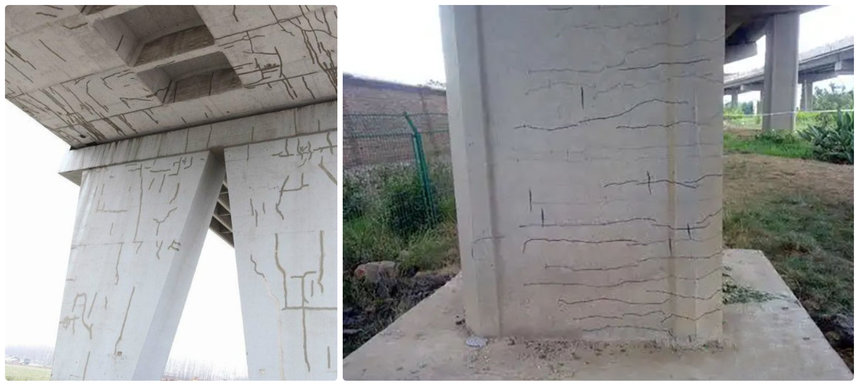
As infrastructure construction continues to advance globally, highway bridges play an essential role in modern transportation networks. Among the many structural components of a bridge, the expansion joint is one of the most critical. It allows the bridge to expand and contract safely under temperature changes, traffic loads, and other external forces.
However, due to long-term exposure to harsh environments and mechanical wear, bridge expansion joints often suffer from various types of deterioration. Understanding these issues and their root causes is crucial for ensuring bridge safety and extending service life.
Below, we take a closer look at the most common types of expansion joint damage and the engineering factors behind them.
1. Water Leakage in Expansion Joints
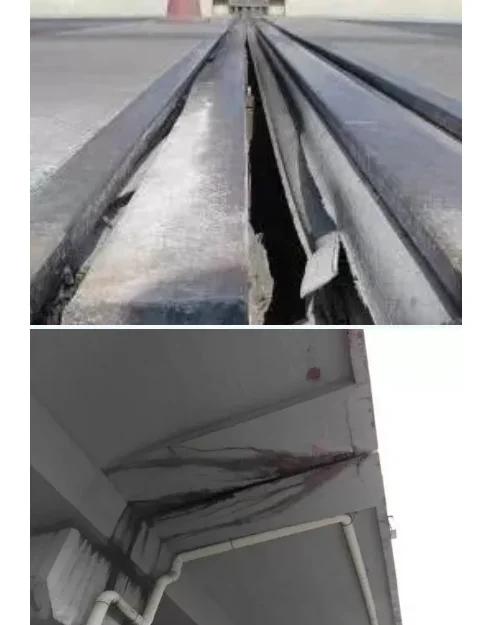
Water leakage is one of the most frequent issues found during bridge expansion joint inspections. It typically occurs when rubber sealing strips age, crack, or detach from the joint assembly.
During bridge operation, continuous traffic loads and vibration cause stress and fatigue on the rubber components. Over time, exposure to environmental factors—such as sunlight, rainwater, and temperature fluctuations—accelerates material degradation. Once the sealing strip fails, rainwater easily seeps into the joint gap, leading to corrosion of reinforcement bars, concrete erosion, and even freeze-thaw damage in colder regions.
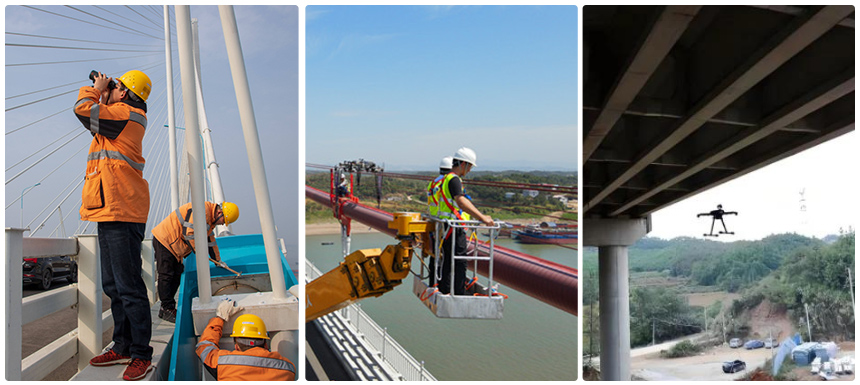
Regular sealing replacement and drone-based visual inspection can help engineers detect early signs of leakage before it compromises the bridge deck.
2. Concrete Edge Spalling (“Ravelling”)
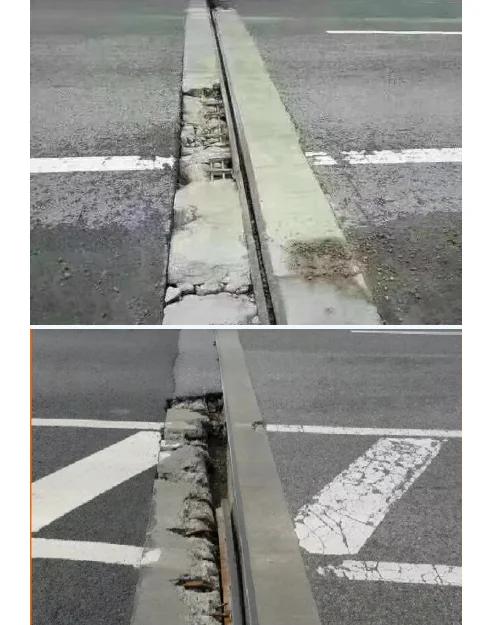
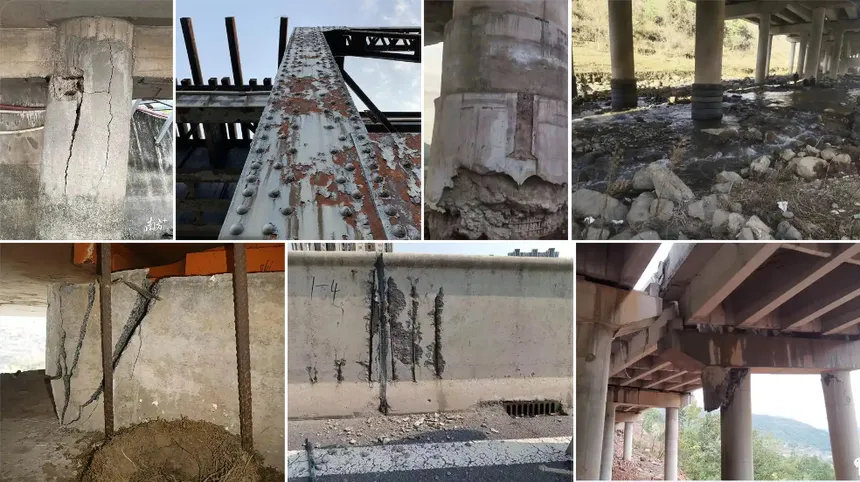
Another common form of deterioration is concrete edge damage, often referred to as spalling or “edge biting.” This typically occurs at the interface between asphalt pavement and concrete materials near the expansion joint.
The difference in thermal expansion coefficients between asphalt and concrete leads to stress concentration at the joint. Repeated traffic loading gradually enlarges these tiny cracks, eventually causing chunks of concrete to break away.
Once the edges become uneven, the dynamic impact from vehicles increases dramatically—further accelerating structural damage. Using precision inspection drones like Riebo’s Drone Bridge Inspection Solution, engineers can quickly assess the extent of damage along bridge joints without disrupting traffic.
3. Cracks in Concrete Strips
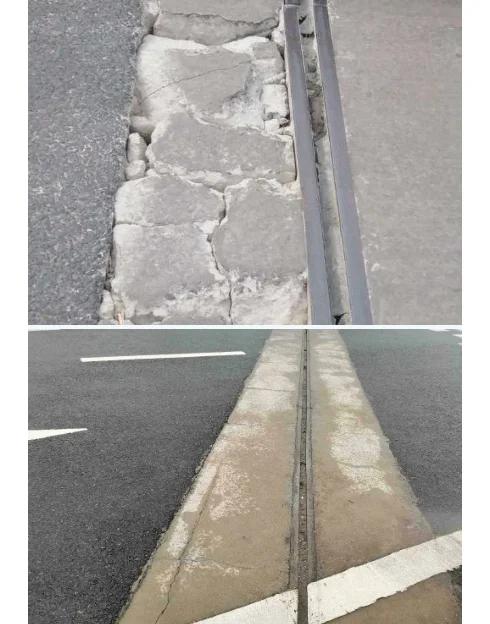
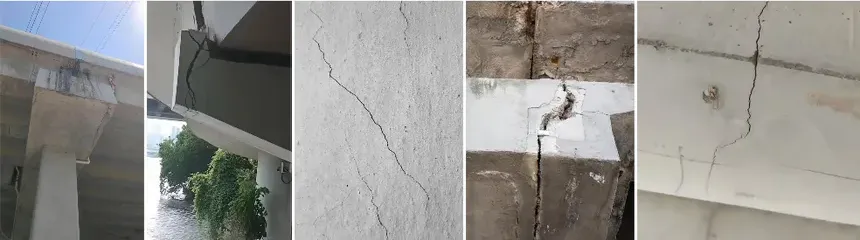
Cracking within the concrete band surrounding an expansion joint is often the result of improper compaction during concrete pouring and paving operations.
If the concrete is not adequately consolidated, the resulting structure lacks the designed strength. Under repeated vehicle loading, the concrete band becomes prone to cracking and delamination. Over time, these small cracks widen, allowing water ingress and reducing the bridge’s overall load-bearing capacity.
Such structural issues may remain unnoticed until surface cracks become visible—by which time repairs can be costly. Implementing periodic aerial inspection and 3D modeling using Riebo’s drones enables engineers to identify crack propagation early and take preventive action.
4. Freeze–Thaw Cycle Damage
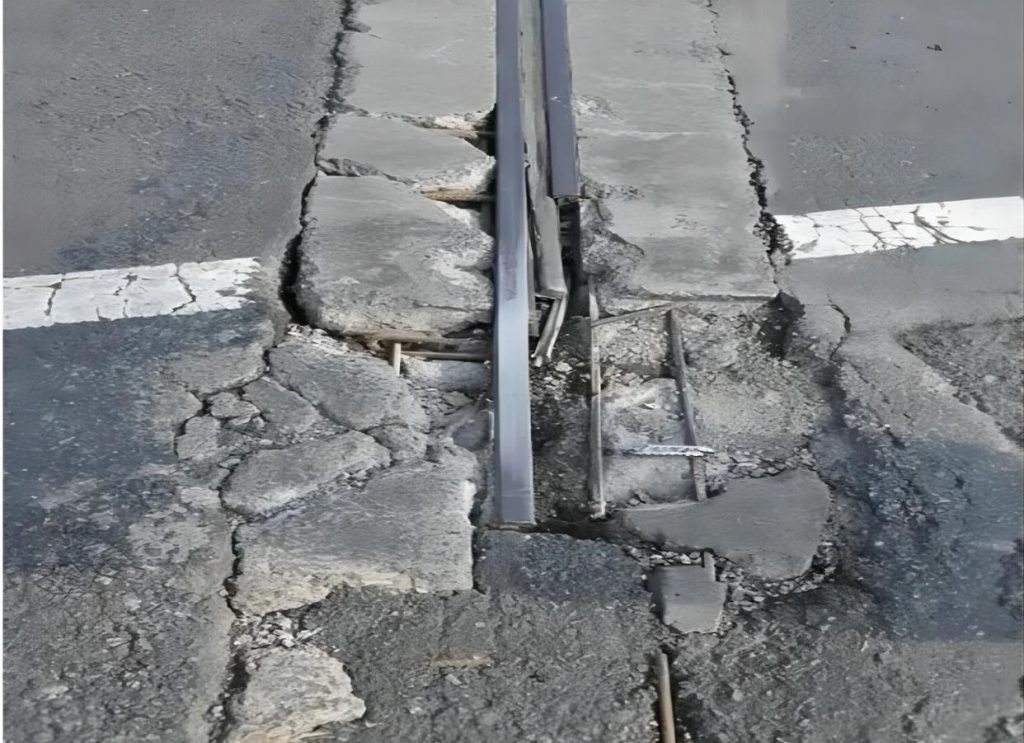
In cold regions, freeze–thaw cycles pose a serious threat to expansion joints. When moisture infiltrates the joint and freezes, the expanding ice exerts pressure on the concrete and sealant materials.
If not properly maintained, this cycle of freezing and thawing causes surface scaling, internal frost heaving, and micro-crack growth. Over several winters, these cumulative effects can lead to severe joint deformation and water leakage, undermining the structural integrity of the bridge.
To mitigate these risks, bridge authorities should conduct winter-specific inspections focusing on expansion joints and drainage systems, ensuring that sealing materials remain flexible and watertight.
Conclusion: The Importance of Regular Maintenance
The expansion joint is a small but vital part of any bridge. Its condition directly affects the safety, durability, and comfort of bridge operations. As demonstrated, factors such as aging materials, construction defects, temperature fluctuations, and vehicle loads can all lead to progressive joint deterioration.
By performing routine inspections, timely repairs, and adopting drone-assisted bridge monitoring, engineers can significantly reduce maintenance costs and extend the service life of highway bridges.
Riebo’s Drone Bridge Inspection provides a safe, efficient, and accurate way to inspect bridge expansion joints, capturing high-resolution imagery and detecting potential defects—without the need for lane closures or scaffolding.