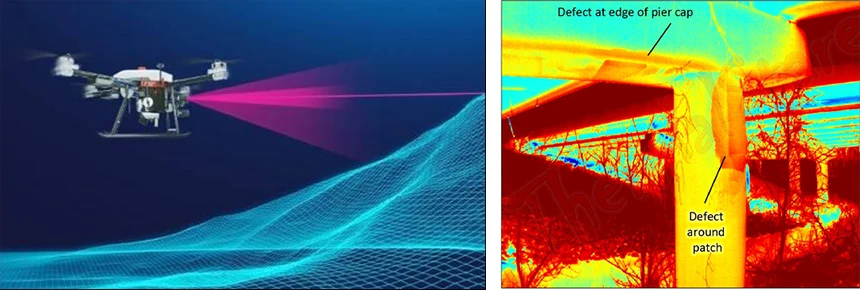
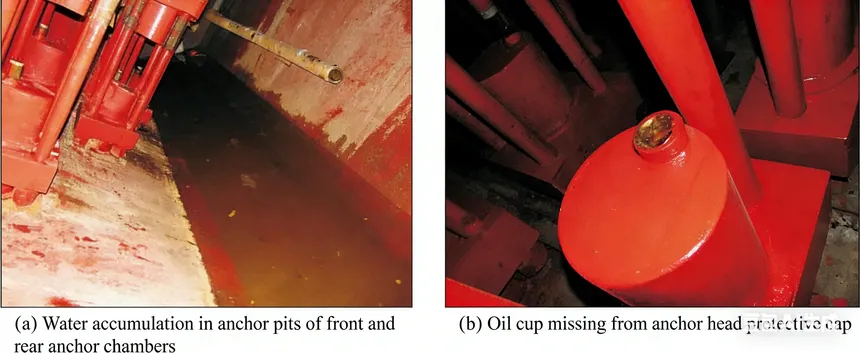
Bridge bearings are essential structural components that connect a bridge’s superstructure with its substructure. They are responsible for transferring loads, allowing controlled movements and rotations, and reducing the impact of dynamic forces such as vehicle traffic, wind, and seismic activity. Their reliability directly affects the safety, durability, and service life of the entire bridge.
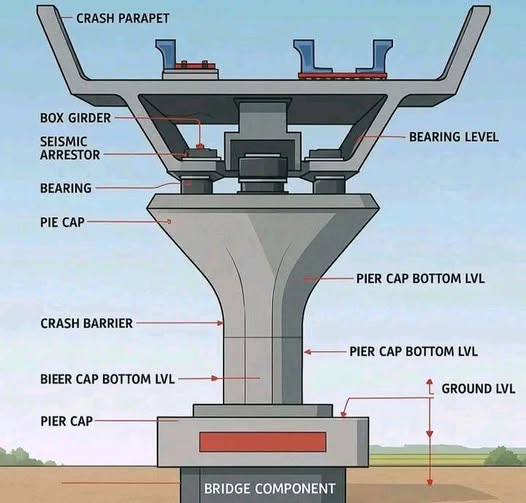
1. Why Bridge Bearings Matter
Bridge bearings serve three fundamental functions:
- Reliable Load Transfer: Support vertical loads and lateral forces from traffic and environmental effects.
- Movement Accommodation: Allow horizontal displacement caused by temperature, humidity, live loads, and shrinkage or creep of the structure.
- Rotation Adjustment: Enable rotation due to structural flexure, reducing stress concentration that could cause failure.
Rubber bearings (especially elastomeric pads) are widely used in modern bridges because of their simplicity, cost-effectiveness, ability to damp vibrations, and resistance to adverse environmental effects.
2. Common Bridge Bearing Defects & Their Causes
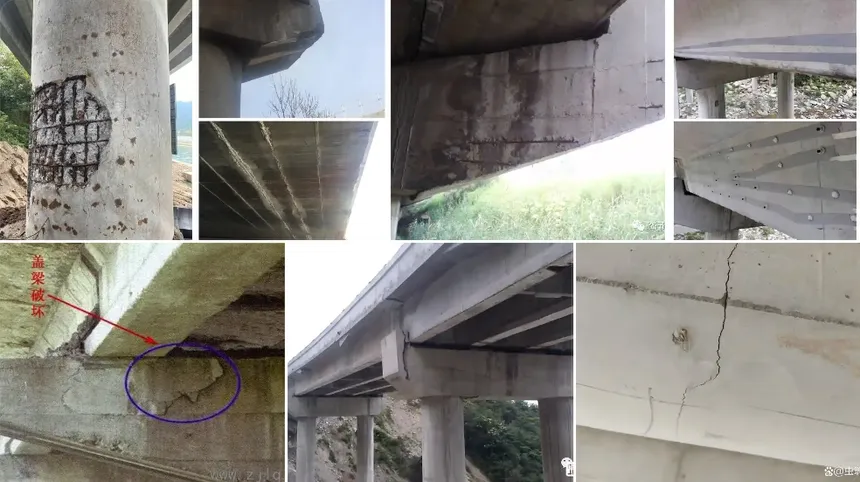
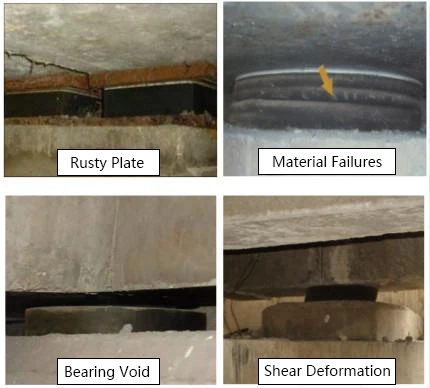
Defects in bearings can lead to uneven load distribution, increased local stress, excessive deformation, and accelerated aging of structural components. Common categories include:
a. Bearing Void
Occurs when the bottom surface of the bearing is not fully in contact with its supporting stone seat, usually due to uneven pier surfaces or poor installation practices. This creates stress concentration and uneven force transmission.
b. Bearing Misalignment
Both longitudinal and lateral misalignment result from inaccurate layout or insufficient adjustment during installation. Misalignment increases secondary internal forces in the structure.
c. Excessive Deformation
Excessive compressive or shear deformation may be due to manufacturing quality issues or improper installation conditions (e.g., installing at very high or low temperatures). This accelerates aging and shortens service life.
d. Material & Component Failures
Includes cracking, surface depression, uneven PTFE/slider plate wear, and internal component mismatch. Causes often include quality control issues and poor construction management.
3. Detecting Bearing Damage
Bridge maintenance teams use a range of inspection techniques:
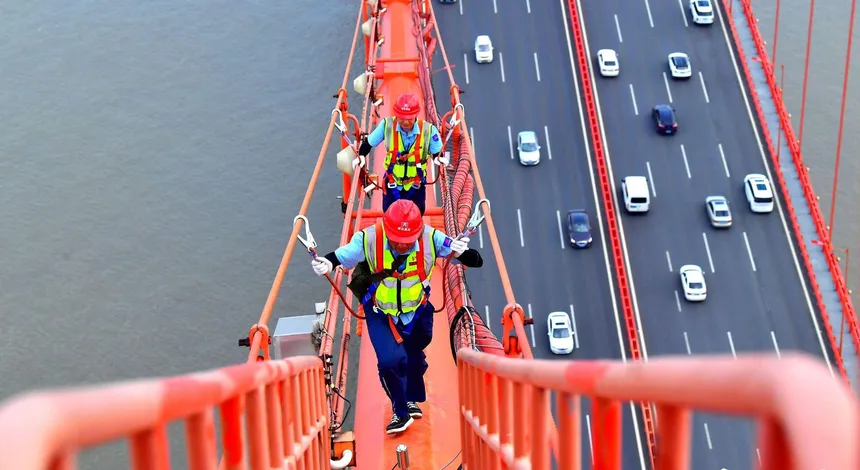
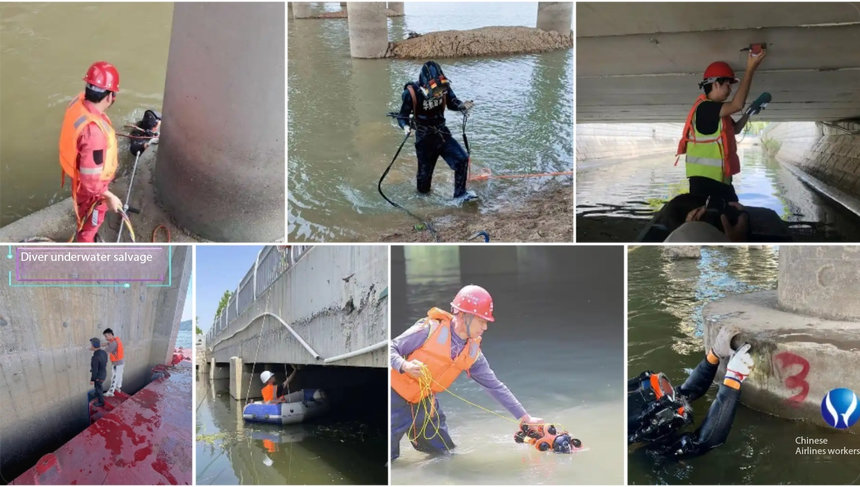
Visual Inspection
Directly examine bearings for signs of corrosion, deformation, cracks, debris accumulation, and loss of contact.
Movement & Strain Monitoring
Measure movement, rotation, or deformation of bearings over time to catch early signs of problems that can lead to structural stress elsewhere.
4. Proven Prevention & Repair Techniques
Understanding the defect type is essential to identifying the appropriate solution.
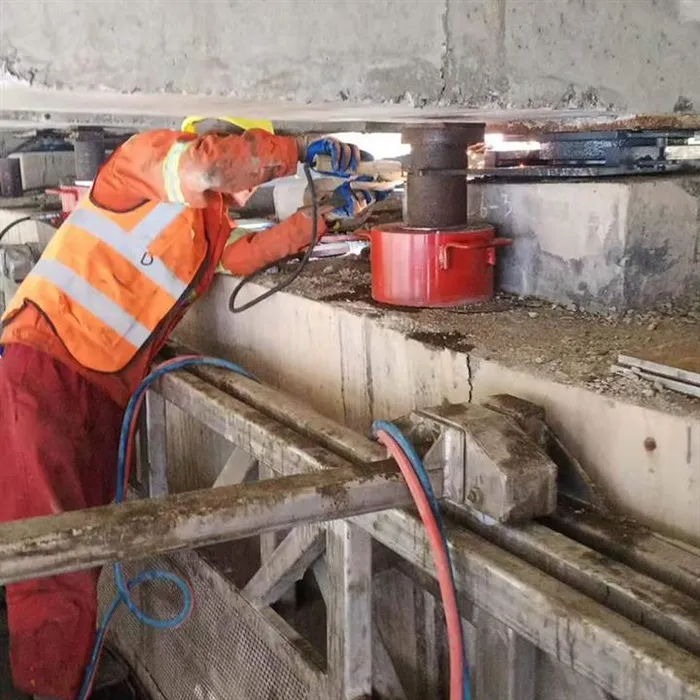
Common strategies include:
a. Ensure Quality Installation
Check elevation, leveling, and surface flatness before placing bearings. Install bearings at optimal environmental conditions to reduce installation defects.
b. Grouting
Epoxy or high-strength grouts can fill bearing voids to ensure full contact and force distribution. This is practical when the damage is not severe enough to require full replacement.
c. Bearing Replacement
For major defects, replace the bearing entirely using temporary support and precise jacking methods. Careful measurement and synchronous lifting help avoid uneven stresses during replacement.
d. Add Supplementary Bearings
In cases where total bearing replacement is difficult, secondary bearings may be added to improve load capacity and structural performance.
5. Maintenance Best Practices
- Regular Inspections: Frequent checks detect early anomalies and prevent escalation into serious defects.
- Debris Control: Remove debris and dirt around bearings, as accumulation can restrict movement and promote damage.
- Cleaning & Lubrication: Especially important for sliding bearings to maintain freedom of movement and reduce friction.
- Timely Repairs: Address even minor defects quickly to prevent deterioration from spreading.
Conclusion
Bridge bearing defects are multifaceted—from voids and misalignment to material degradation and excessive deformation. Early detection, correct diagnosis, and effective intervention significantly improve structural safety and lifespan. Combining robust inspection protocols with professional maintenance and precise repair methods ensures lasting performance and public safety.