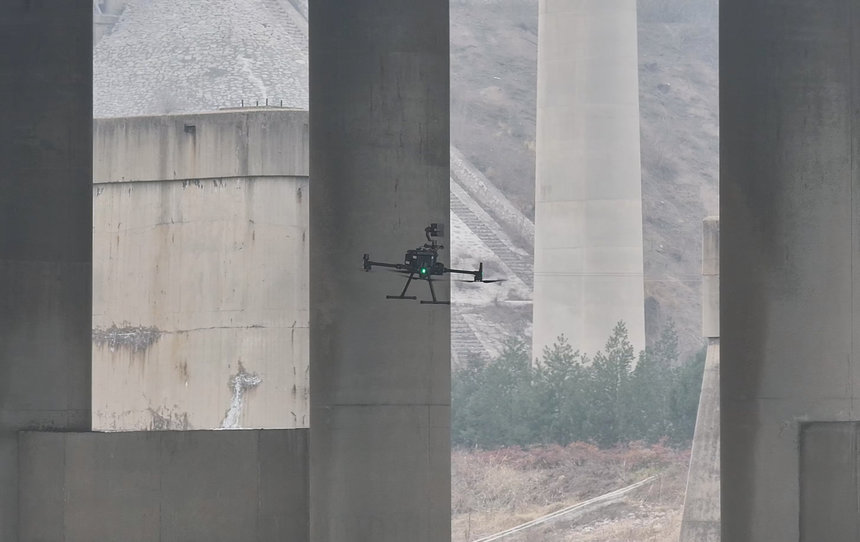
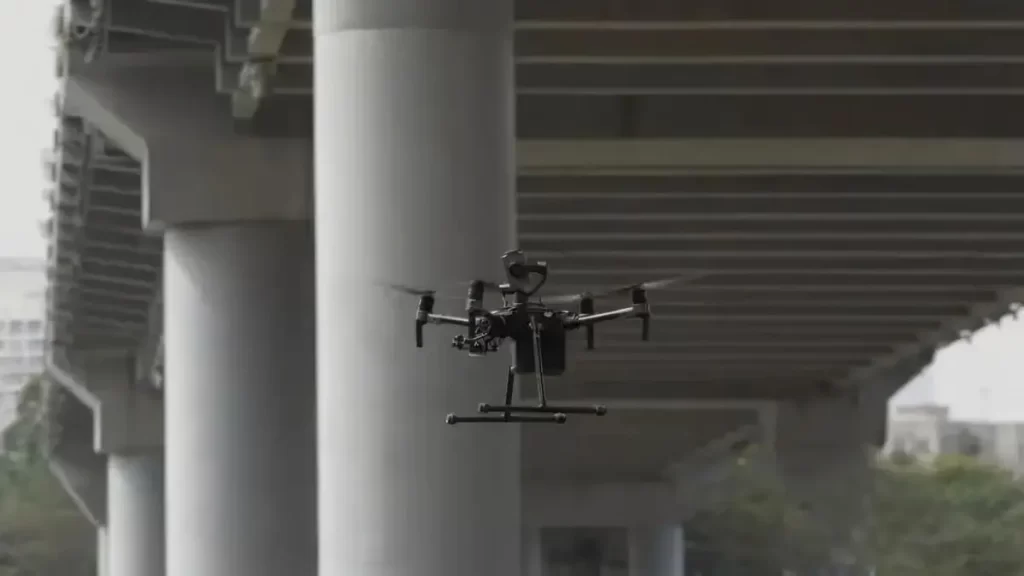
After days of heavy rain, the surface of the railway bridge is still glistening with moisture. While most people cross it without a second thought, a group of engineers quietly begin their daily routine — walking along the steel beams, measuring, tightening, recording. These are the bridge inspection workers, the unsung heroes who ensure every train crosses safely, no matter the weather.
The Routine After the Storm
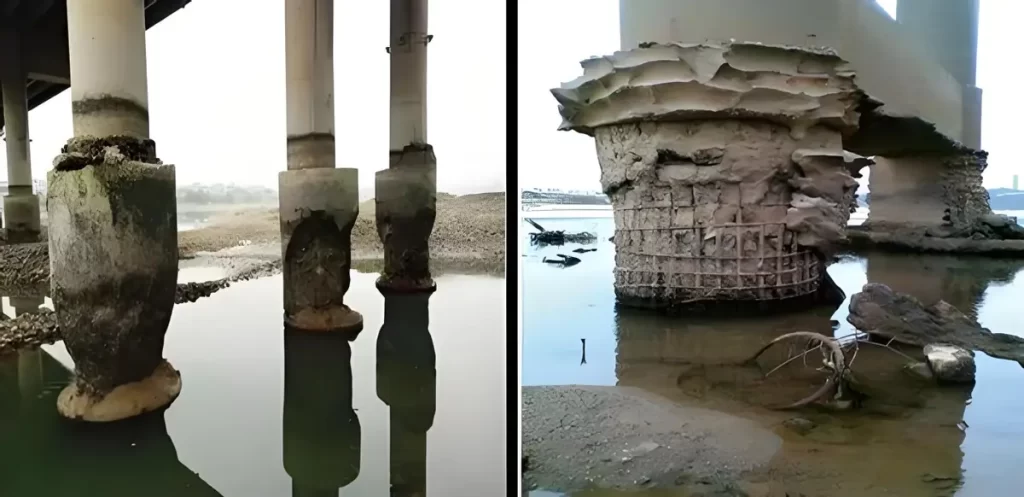
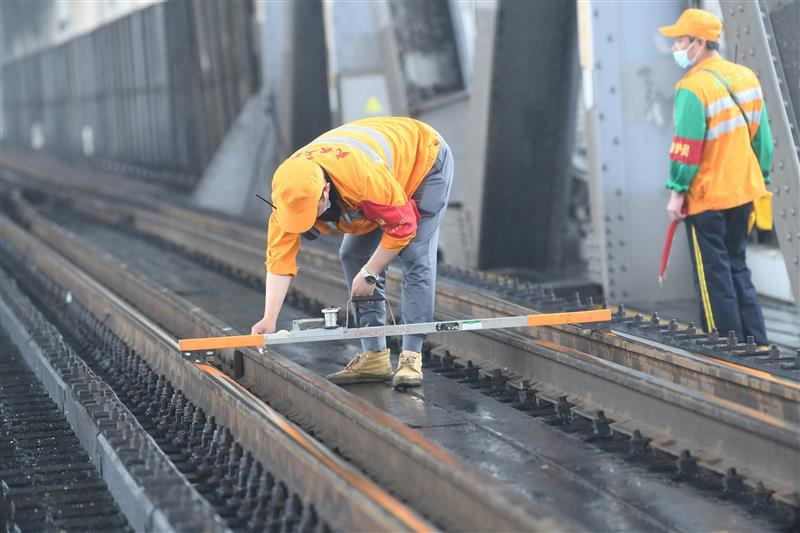
When torrential rain hits, engineers must immediately assess whether the bridge has been affected by settlement, deformation, or structural displacement. Using precision instruments, they measure the level and elevation of the tracks, marking any deviations from the standard reference line. Even a few millimeters of difference can indicate that the substructure has shifted or that the soil beneath the bridge has softened.
As one senior inspector explained,
“After continuous rainfall, we focus on one key question — did the bridge settle? Any slight unevenness in the rails can affect train safety, so we check every meter carefully.”
During a typical inspection, each team of inspectors covers hundreds of meters of track, pausing every few steps to measure and mark values like “+1,” “0,” or “–1” — symbols that show the precise condition of the track alignment. If any reading exceeds the design threshold, maintenance crews are immediately notified to reinforce the affected section.
High-Altitude Work with Trains Passing Below
To the untrained eye, bridge inspection looks simple — but for those who perform it daily, it’s a task that demands courage, precision, and calm nerves. Many inspection points are located 20 to 30 meters above the river, with trains speeding below every few minutes.
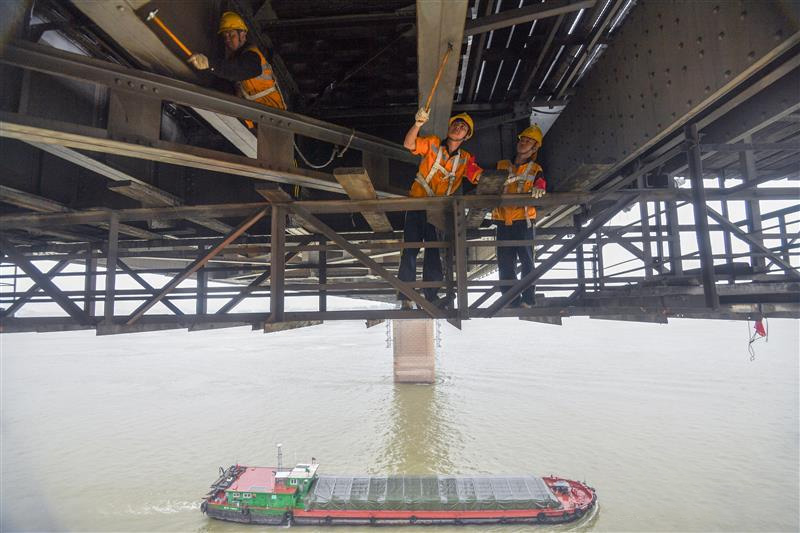
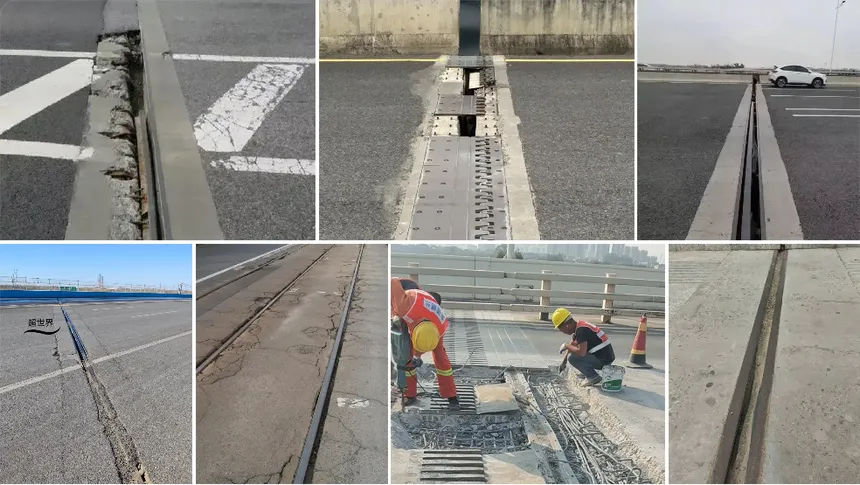
Inspectors wear safety harnesses and move along narrow steel beams, carrying heavy instruments such as torque wrenches and laser levels. They check the tightness of bolts, integrity of welds, and condition of expansion joints, often pausing only briefly as a train thunders past beneath their feet.
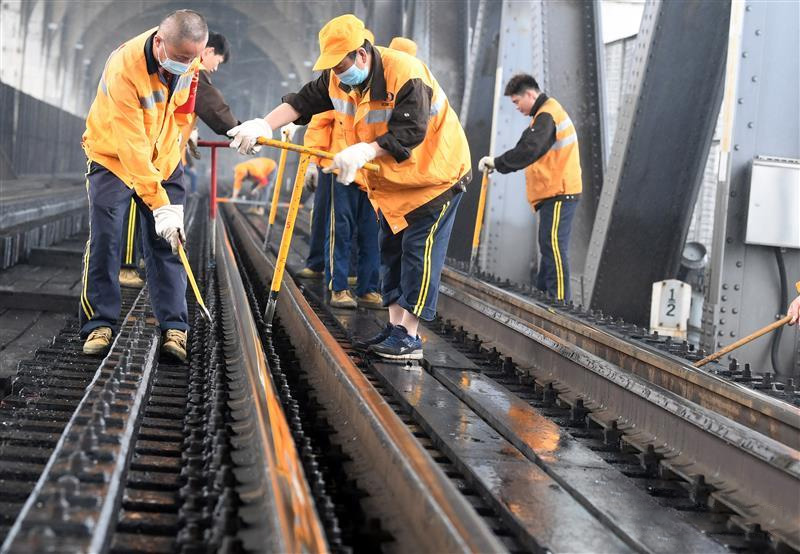
“We have to focus completely,” said one inspector. “Each step is calculated, each movement deliberate. Our job is to make sure the structure remains safe for millions of passengers who never see us.”
More Than Just Inspection — It’s Preventive Maintenance
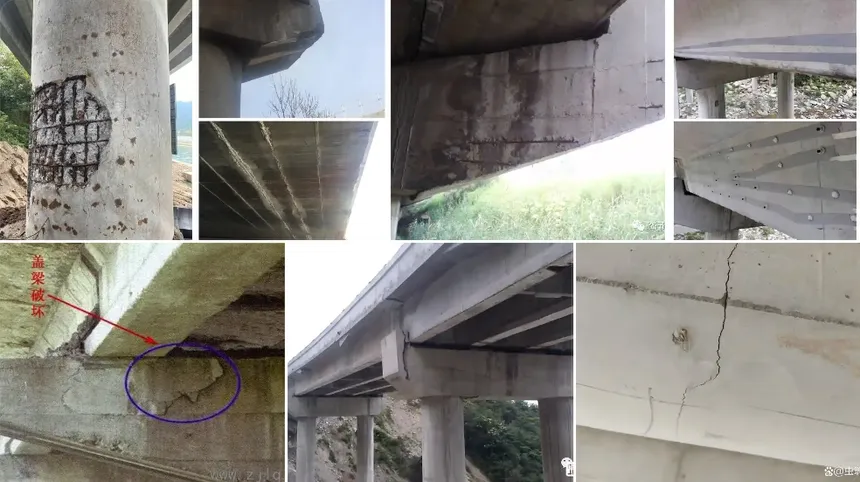
Bridge inspection isn’t just about identifying problems — it’s about preventing them. After checking the steel structure, crews often move on to cleaning drainage systems, removing debris, and repainting corroded parts.
On steel bridges, proper drainage is critical. If rainwater collects in the joints or beam corners, it can accelerate corrosion and shorten the bridge’s lifespan. To prevent this, the team regularly checks the bridge deck’s drainage channels, ensuring water flows smoothly even during extreme weather.
A Tradition of Professionalism
The railway bridge in this story — like many across China — has been standing for decades, enduring floods, storms, and countless train crossings. Behind its longevity lies a strict maintenance culture: daily inspections, detailed recordkeeping, and a strong sense of responsibility.
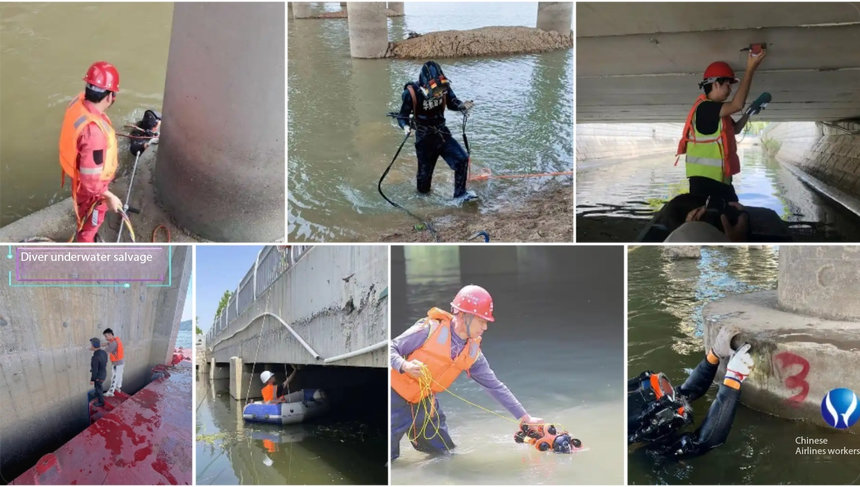
Each inspection team follows a well-coordinated routine — one group measures alignment, another checks structural parts, while others handle cleaning and drainage. Their collaboration ensures that every bolt and beam remains in its proper place, even under the constant vibration of passing trains.
The Spirit of Bridge Guardians
For most travelers, a bridge is merely a part of their journey. But for the people who maintain it, the bridge is a living system — one that must breathe, expand, contract, and be cared for.
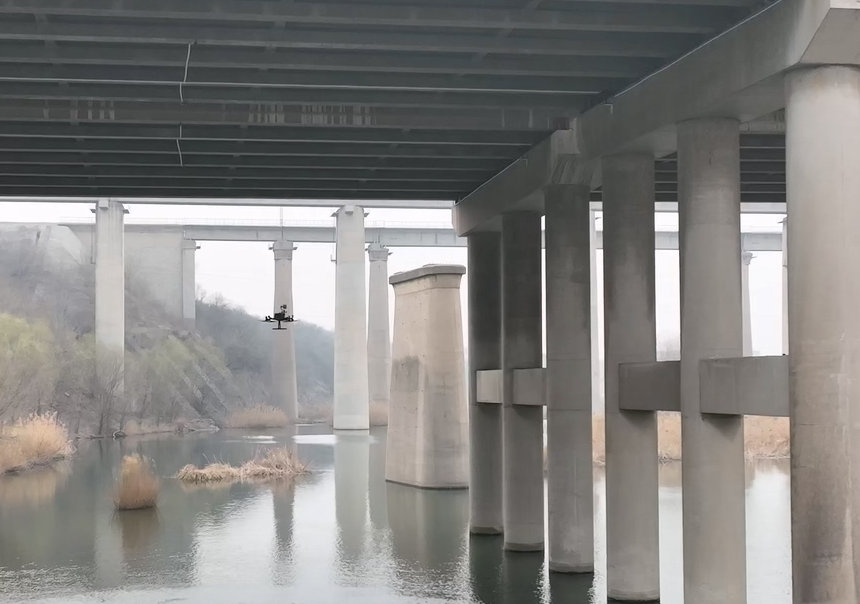
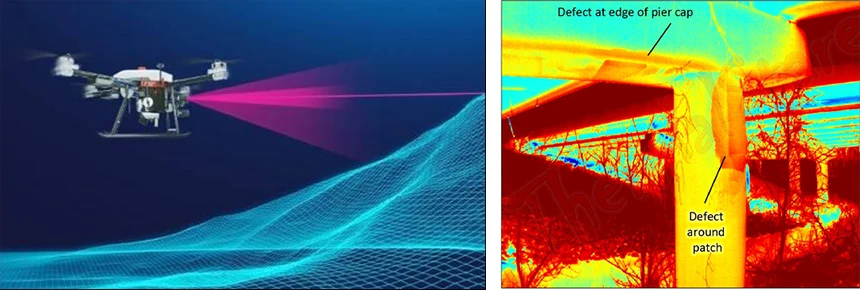
Modern technologies like Riebo’s Drone Bridge Inspection Solution now make this work safer and more efficient. By combining UAV (drone) imaging, AI-based defect recognition, and digital twin analysis, inspectors can monitor bridge conditions remotely, reducing the risks of high-altitude operations and improving maintenance accuracy.

Still, human inspectors remain irreplaceable. Their experience, intuition, and attention to detail bring a human touch to every measurement and every repair — ensuring that each train crossing the bridge does so with absolute safety.
Conclusion
Bridge inspection work may not make headlines, but it is the quiet foundation of railway safety. From checking bolts in the rain to walking along high steel beams, these inspectors embody the unseen dedication that keeps transportation networks running smoothly.
Their daily efforts — supported by modern tools like Riebo’s AI Bridge Inspection Solution — represent the perfect combination of human expertise and intelligent technology, ensuring that the bridges of today remain safe for generations to come.