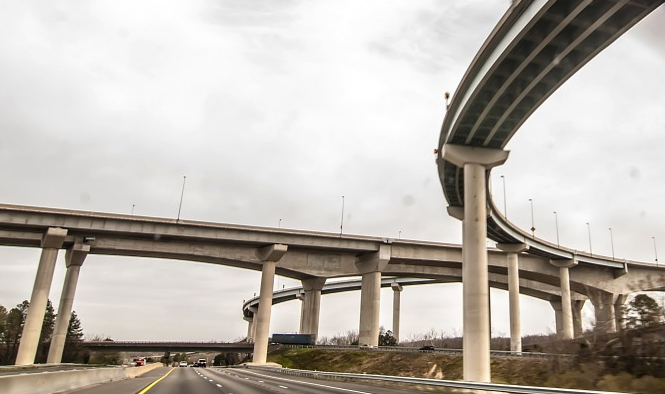
Bridges are more than just structures—they are the lifelines that connect cities, people, and economies.
In China, where modern infrastructure expands rapidly, bridge inspectors play a vital yet often unseen role.
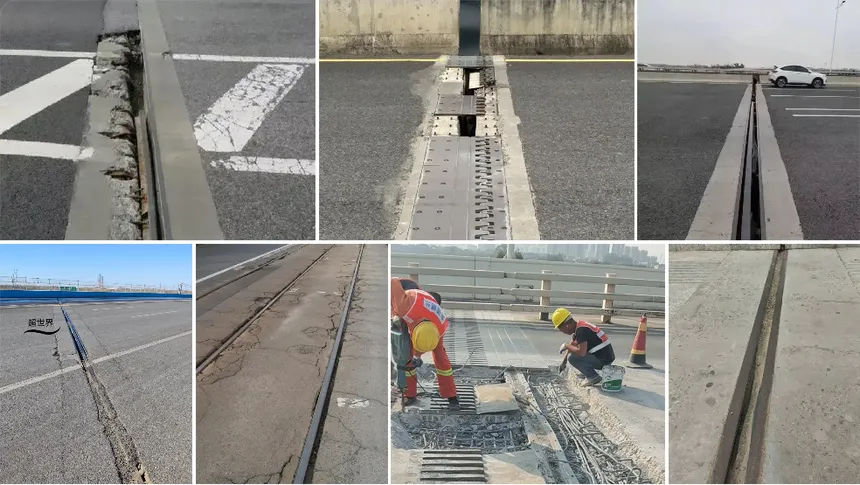
Every day, thousands of inspectors patrol bridges across the country—examining expansion joints, drainage systems, guardrails, and lighting—to ensure that each bridge remains safe and stable. Their work might not make headlines, but it quietly sustains the flow of millions of daily journeys.
A Day in the Life of Bridge Inspectors
Before dawn, inspectors gear up for their daily patrol. Equipped with helmets, safety vests, walkie-talkies, and cameras, they begin their rounds.
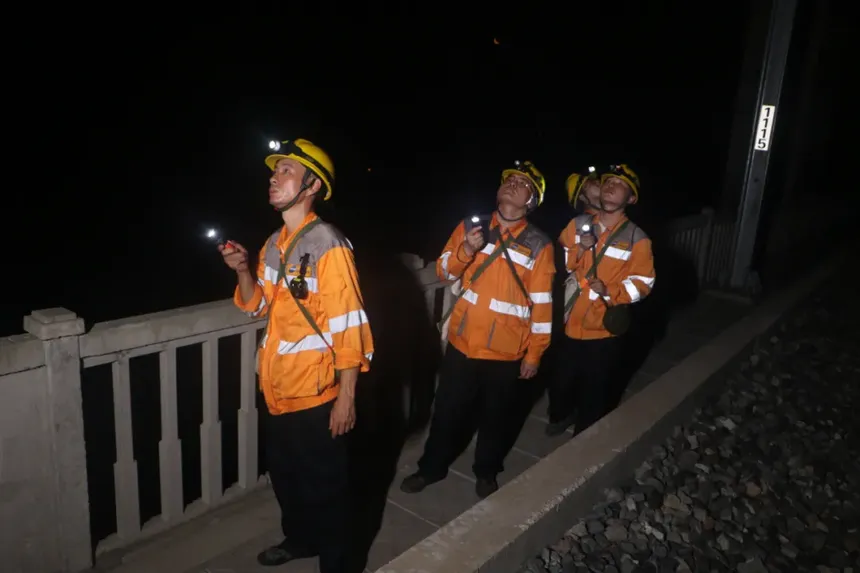
At the Hero Bridge in Nanchang, for instance, a small team walks or drives more than 68 kilometers a day, inspecting every part of the structure—from the bridge deck to the tower base.
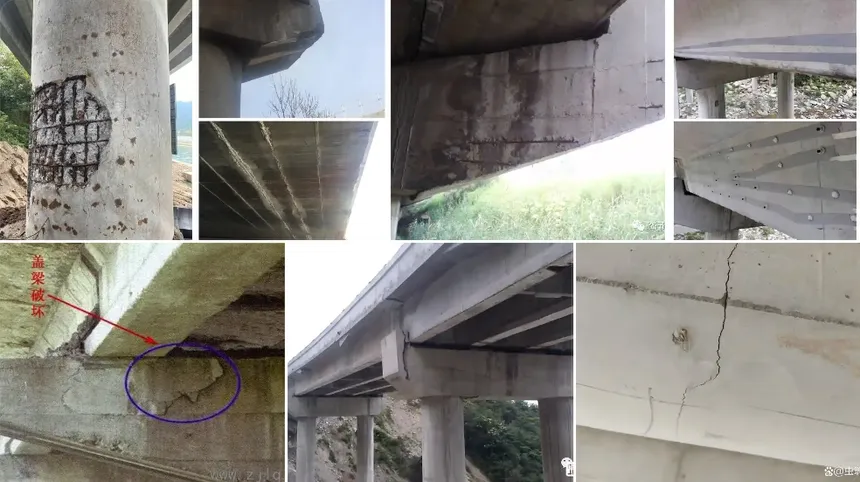
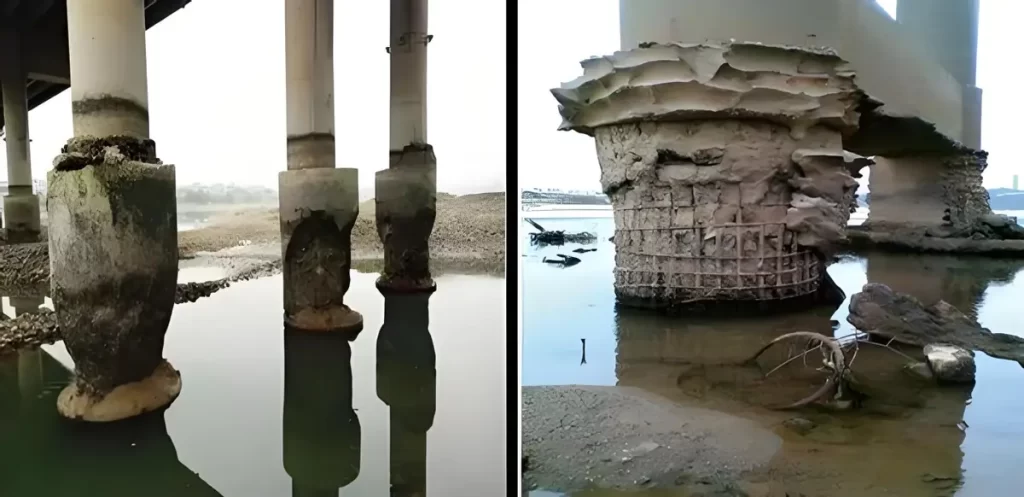
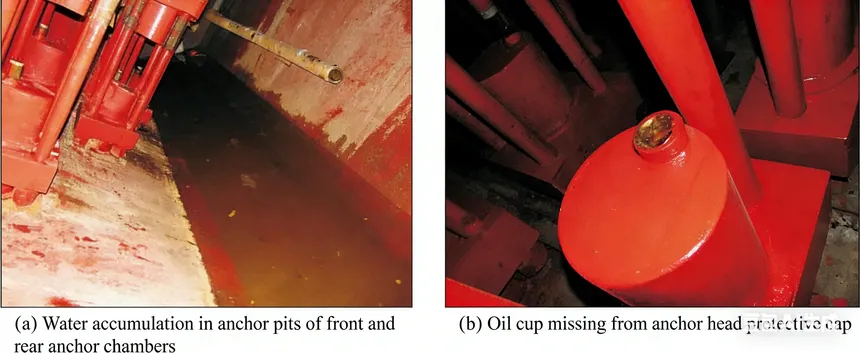
They climb narrow access stairs, record surface cracks, test joints, and document any signs of corrosion or deformation. During the rainy season, they also monitor drainage systems to prevent water accumulation that could damage the bridge surface.
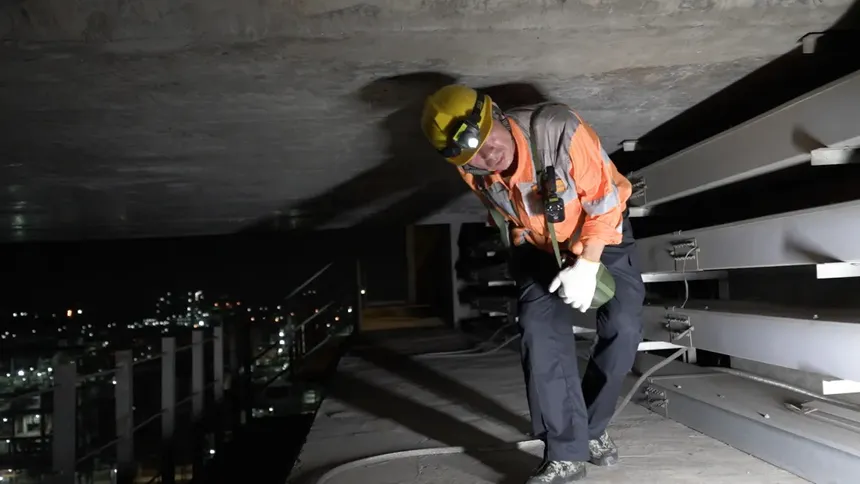
At night, when traffic slows, they check lighting and expansion devices to ensure that drivers and pedestrians can travel safely. Rain or shine, their work continues—each step contributing to the safety of the city’s infrastructure.
Challenges on the Job
Bridge inspection is far from easy. Inspectors endure intense heat in summer, cold winds in winter, and the constant noise and vibration from heavy traffic.
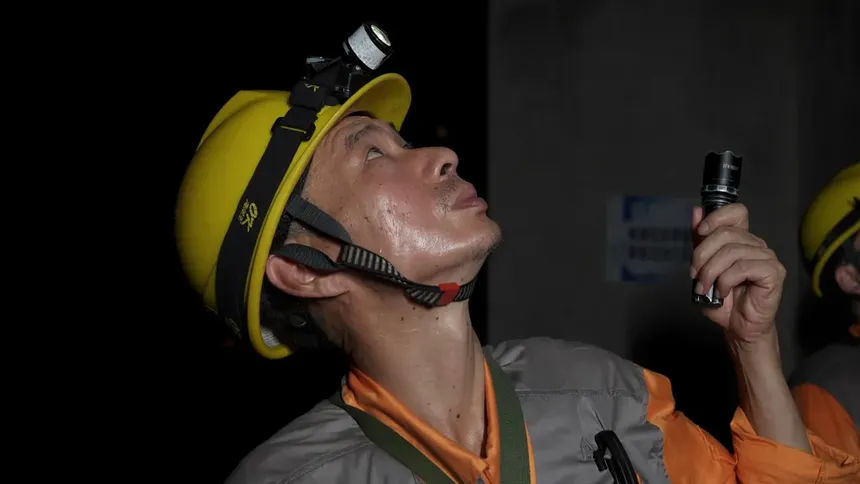
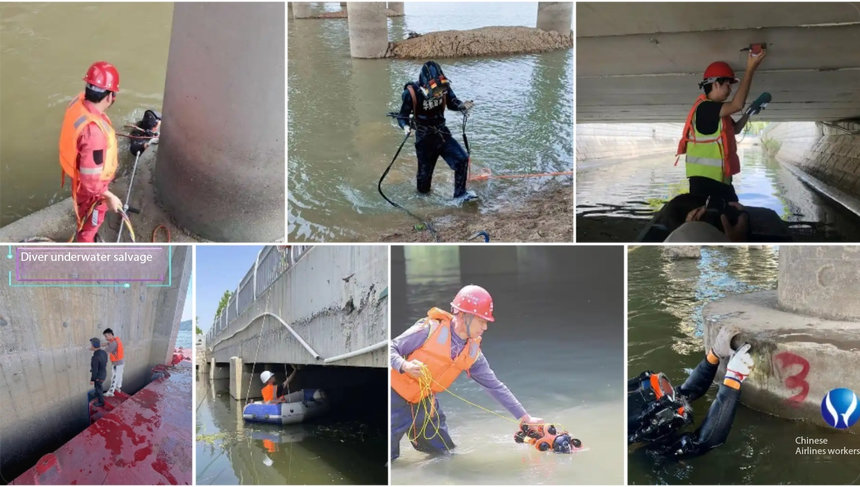
They often work in confined spaces or high above the ground, where even a small mistake can lead to serious risk. Despite the challenges, many inspectors describe their work as meaningful—because every bridge they protect carries thousands of lives each day.
“We may not be visible to the public,” one inspector said, “but every safe trip people take is proof of our effort.”
From Manual Patrols to Smart Bridge Inspection
Traditional manual inspection remains essential but is often time-consuming and physically demanding.
In recent years, technology has begun to transform this field.
Drones, AI, and 3D modeling now play a critical role in modern bridge maintenance.
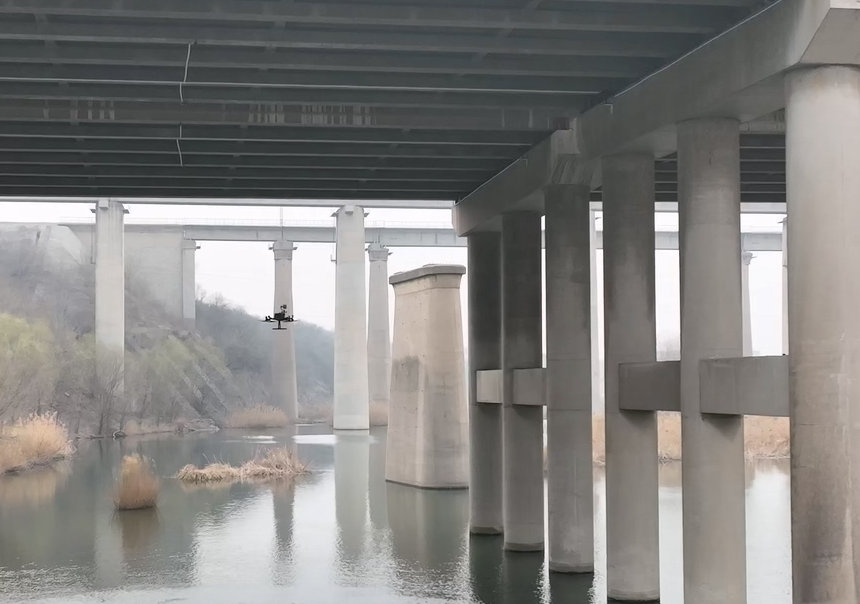
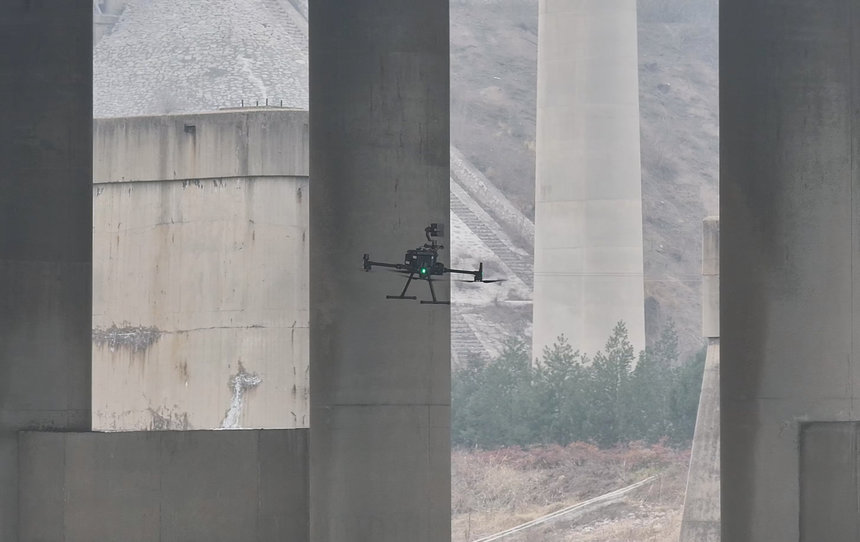
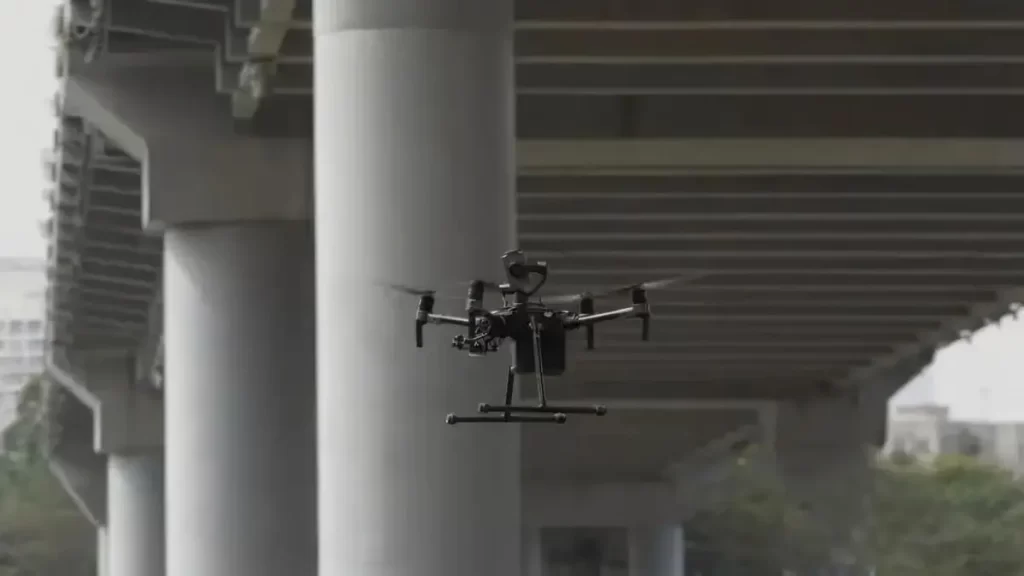
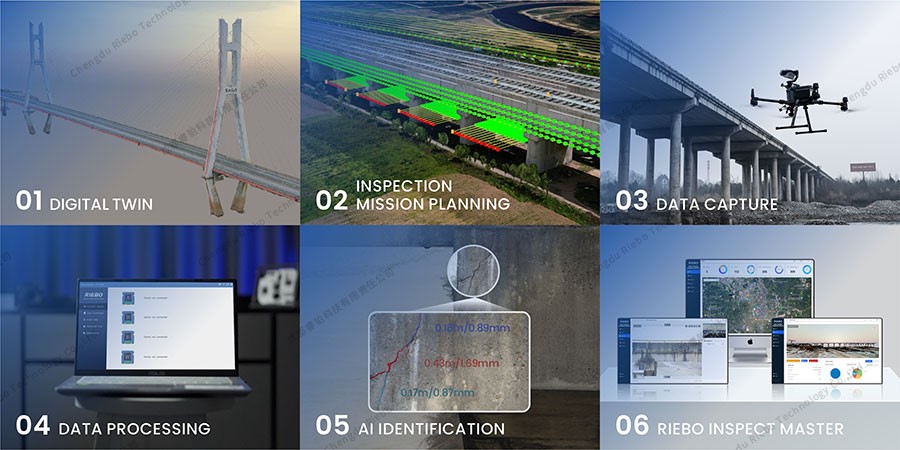
Aerial drones can quickly capture high-resolution images of difficult-to-reach areas such as tower tops, cable clamps, and under-deck structures—reducing risks for human inspectors and improving accuracy.
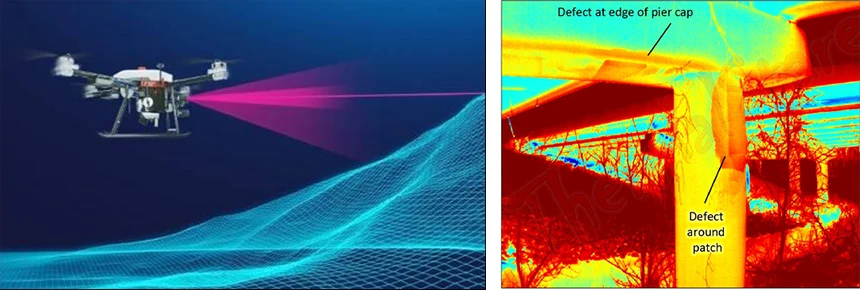
Advanced analysis tools powered by AI algorithms detect cracks, corrosion, and deformation patterns automatically, helping engineers make faster, data-driven maintenance decisions.
This is where Riebo’s Drone Bridge Inspection Solution comes in—providing automated flight paths, real-time visual feedback, and intelligent defect analysis that enhance both efficiency and safety.
Technology and Human Expertise — Working Together
Technology does not replace inspectors—it empowers them.
While drones capture detailed visual data, inspectors provide the human insight and experience needed to interpret results and make informed decisions.
Together, they form a new model of intelligent infrastructure management, where human dedication meets technological precision.
This collaboration represents the future of bridge safety—not just in China, but across the world.
Conclusion
Bridge inspectors are the unsung heroes of urban life. Their daily work, often unnoticed, keeps our cities connected and safe. As drone and AI technologies continue to evolve, bridge inspection is becoming smarter, safer, and more efficient—ensuring that the bridges we build today remain reliable for generations to come.