Emergency Bridge Inspection After a Major Rainstorm
After a major rainstorm in a city, drones were used to rapidly inspect 20 bridges for safety, promptly identifying 3 major potential hazards.
As bridge scale continues to grow and maintenance standards keep rising, traditional manual inspection and ordinary drone aerial survey solutions can no longer meet the safety, efficiency and digital management requirements of complex bridge scenarios.
| Comparison Item | Traditional Manual | Ordinary RTK Drone | Riejian Solution |
|---|---|---|---|
| Navigation Capability |
Relies on human visual observation
|
GPS failure
|
SLAM autonomous navigation
|
| Inspection Coverage |
Limited to scaffolding range
|
Cannot enter box girders
|
Full component coverage
|
| Detection Capability |
High manual detection error
|
No AI analysis
|
Automatic AI identification
|
| Data Management |
Data cannot be accumulated
|
Photos only
|
Digital asset archives
|
| Safety Risk |
High-altitude danger
|
High safety factor
|
Zero safety risk
|
| Traffic Impact |
Long road closures
|
Minimal impact
|
No road closure needed
|
Bridge inspection is not simply "fly around and take photos".
Real bridge inspection requires solving engineering challenges such as autonomous flight in complex spaces, positioning without GPS, intelligent defect identification, and digital deliverable generation.
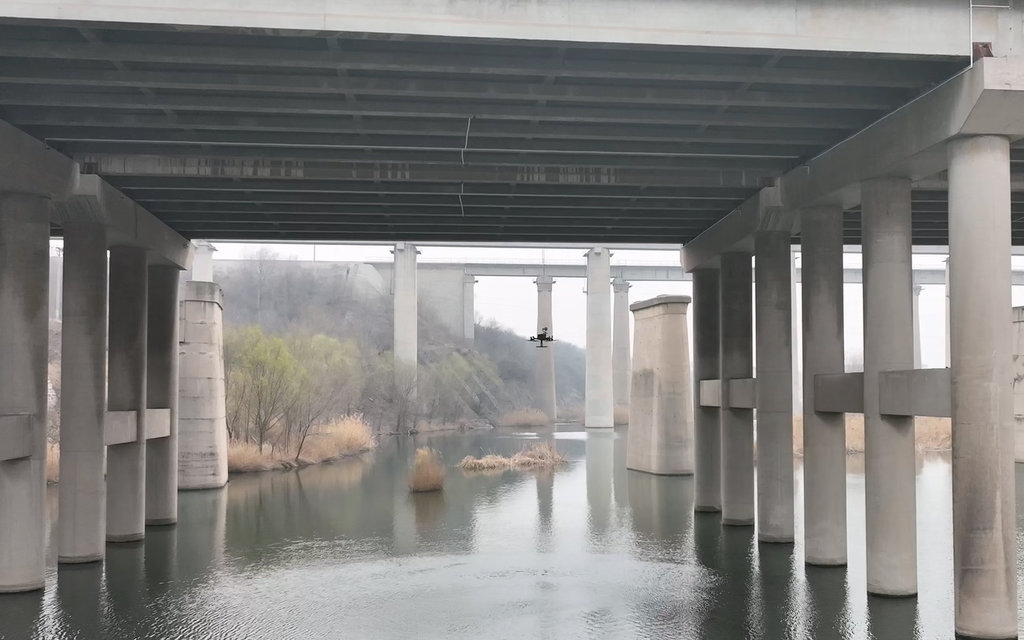
Weak or no GPS signals under beam bottoms and inside box girders make precise positioning impossible
Ordinary drones cannot autonomously navigate and avoid obstacles in confined spaces
Requires professional pilots and cannot achieve fully autonomous inspection
Can only take photos, cannot automatically identify and analyze bridge defects
Lacks standardized data analysis and report generation capabilities
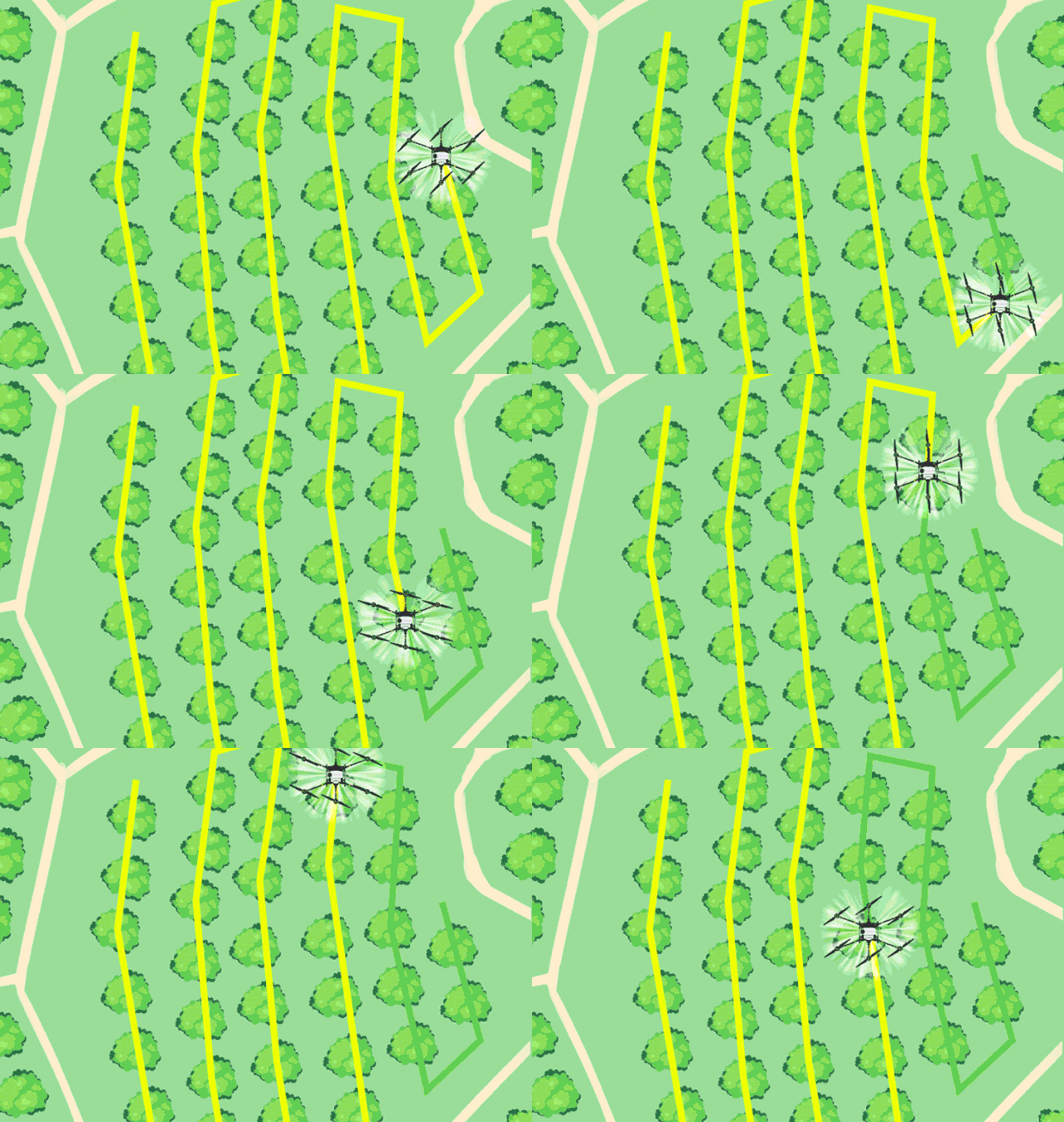
Four core technologies build an industry-leading intelligent bridge inspection solution
For satellite-signal-denied environments such as bridge beam bottoms and box girders, Riejian's self-developed multi-sensor fusion SLAM navigation algorithm combines vision, LiDAR and IMU data to achieve centimeter-level precise positioning and stable hovering. The drone can complete autonomous flight and intelligent obstacle avoidance in complex bridge environments without relying on GPS.
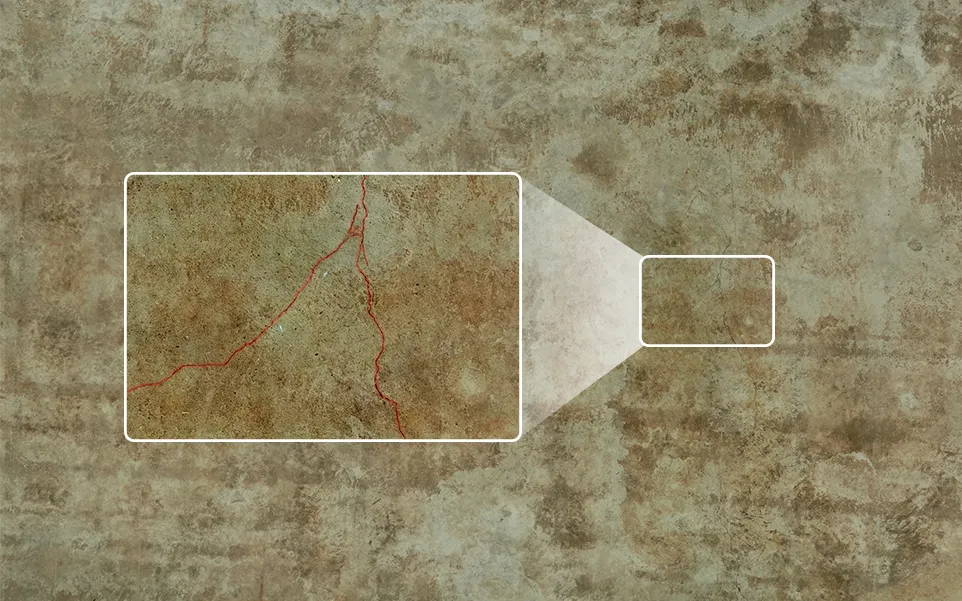
Based on deep-learning defect detection models, the system automatically identifies multiple typical defects including cracks, corrosion, spalling and honeycomb, while automatically completing location marking, dimension quantification and severity analysis. Compared with traditional manual review, it greatly reduces miss rates and manual workload.
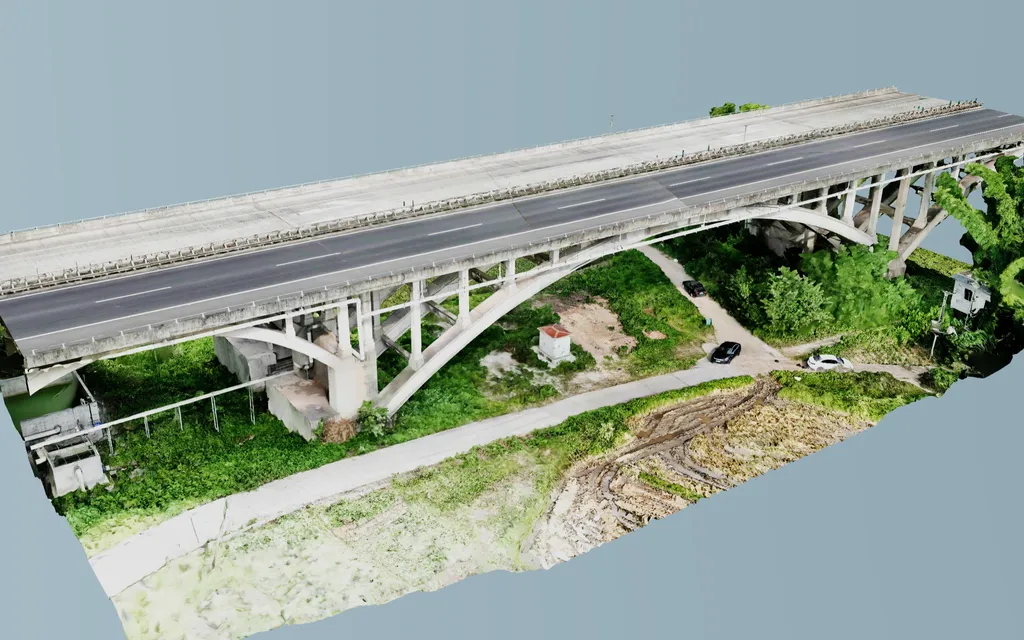
Combining laser point clouds and high-definition image data, quickly generate high-precision 3D digital twin models of bridges, achieving precise mapping between defect locations and bridge structures. Managers can directly view defect distribution, historical changes and maintenance records in the 3D model.
The system covers the entire process of route planning, autonomous flight, data collection, AI analysis, 3D modeling and report output, without requiring manual real-time control or defect review. Truly achieving standardized and digitalized bridge inspection.
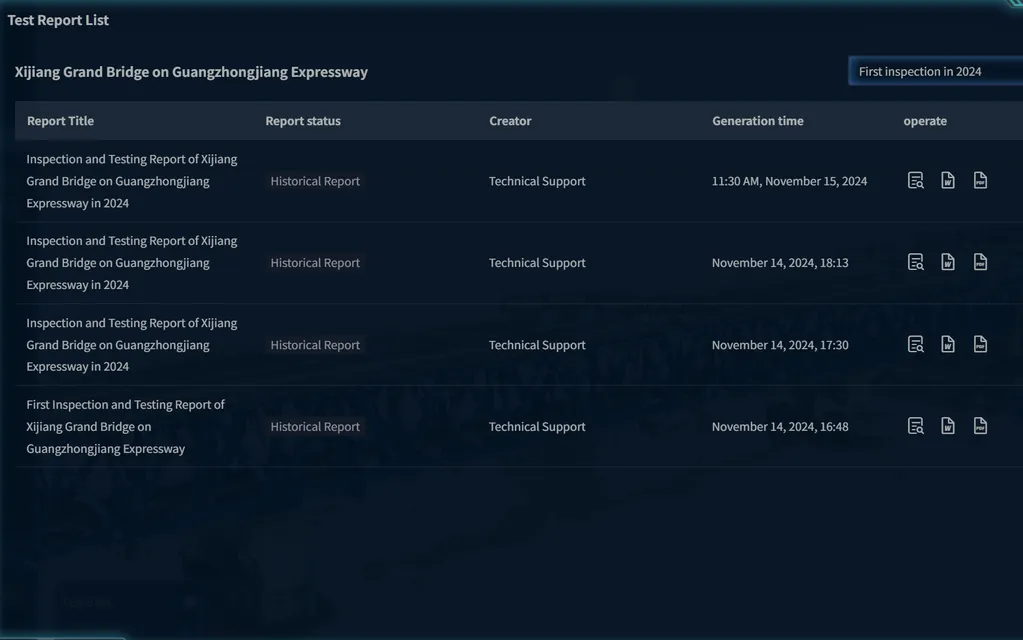
Focused on transportation infrastructure engineering scenarios, Riejian has built a complete standardized inspection system to ensure complex bridge projects are replicable, implementable and acceptable.
Drones fly autonomously along preset reusable routes, completing full-bridge HD image collection. A 500-meter-level bridge can yield nearly 100GB of complete data.
Supports oblique photography, LiDAR and BIM model import, completing multi-source 3D reconstruction to form a standardized digital twin foundation.
AI screening of defects from 200K+ samples, precise mapping onto the 3D model, plus multi-period data aggregation and historical comparison.
Rule-based compliant inspection report output, platform data aggregation and historical comparison, supporting automated compliance rating and maintenance decisions.
Suitable for safety inspection and health monitoring of various bridge structures
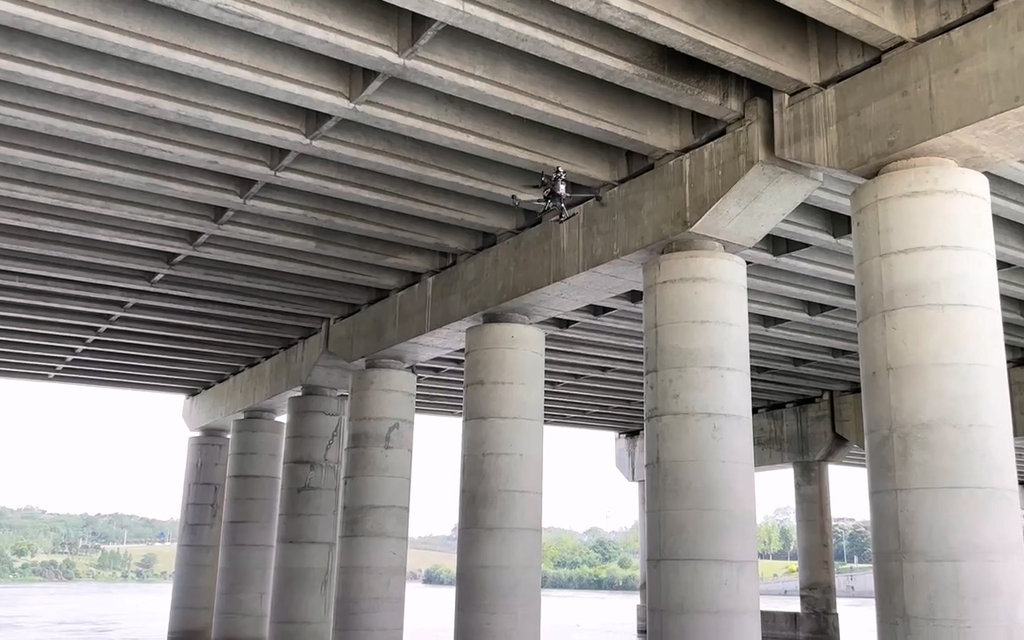 Emergency Response
After a major rainstorm in a city, drones were used to rapidly inspect 20 bridges for safety, promptly identifying 3 major potential hazards.
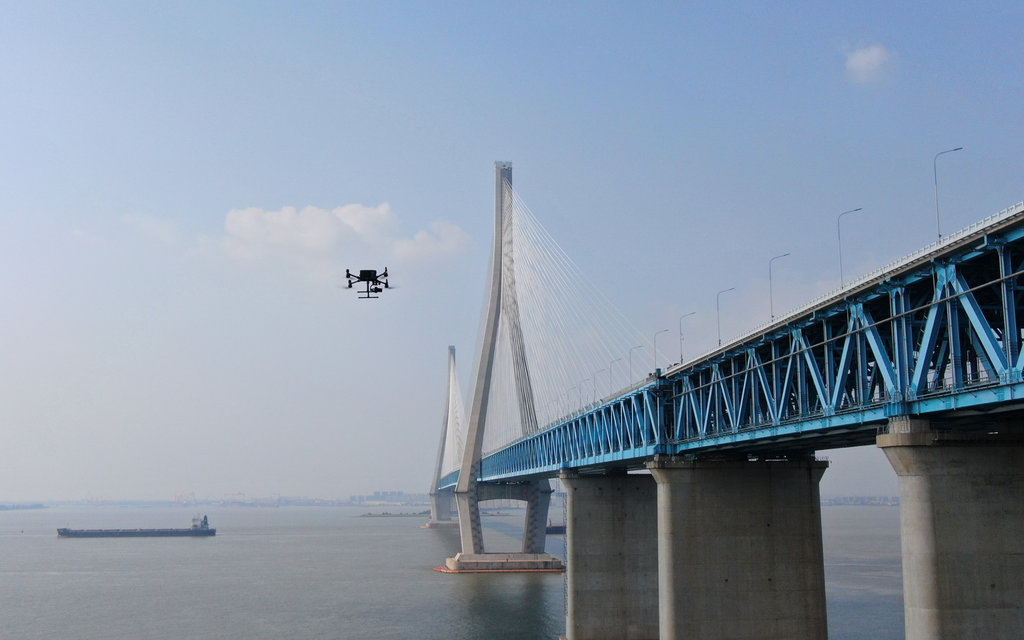 Routine Operation
Provided quarterly inspection services for a large cross-sea bridge, achieving full-structure coverage and building a bridge health archive.
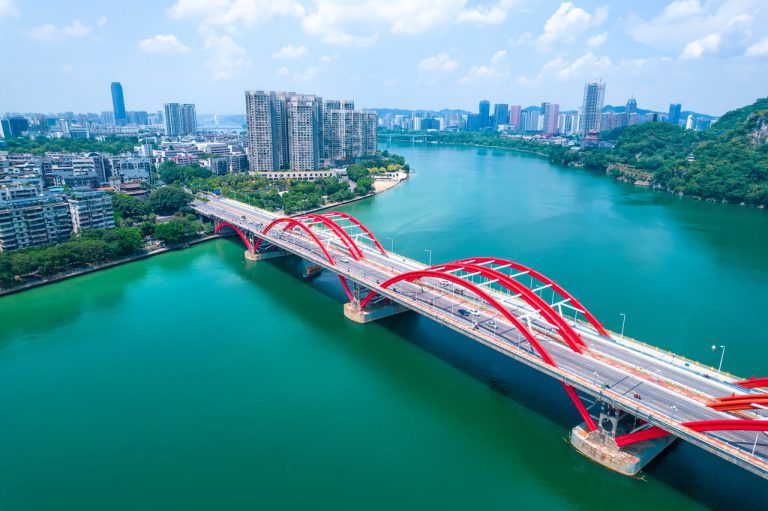 Project Acceptance
Provided handover acceptance inspection for a new urban landmark bridge, with results meeting the JTG 5120-2021 standard.
Seven standardized deliverables ensure complete and traceable inspection work
Standardized inspection report compliant with JTG 5120-2021, including detailed defect descriptions and recommendations
Detailed defect list including location, type, dimension and severity information
Bridge structural health assessment including technical condition rating
Targeted repair and strengthening recommendations with engineering quantity estimates
Original HD image materials including defect close-ups and panoramic photos
Real-scene 3D model of the bridge supporting 3D visualization and interactive browsing
Electronic archive of inspection data, supporting integration with bridge management systems
Creating value for customers across four dimensions: safety, efficiency, cost and management
Eliminates manual high-altitude work risks and ensures inspector safety
Greatly improves inspection efficiency, shortens cycles and reduces traffic impact
Lowers inspection costs, reduces equipment investment and optimizes human resource allocation
Standardized data management supporting long-term monitoring and trend analysis
Book a free demo and experience the powerful capabilities of Riejian's drone bridge inspection solution
Apply for a free demo and our technical experts will show you the real-world results of the solution.
Based on your specific needs, we provide personalized solutions and quotes to ensure the best value.
Download the "Drone Bridge Inspection Technical White Paper" to learn about industry-leading technology and best practices.